Alicante Compass
Villajoyosa, Alicante.
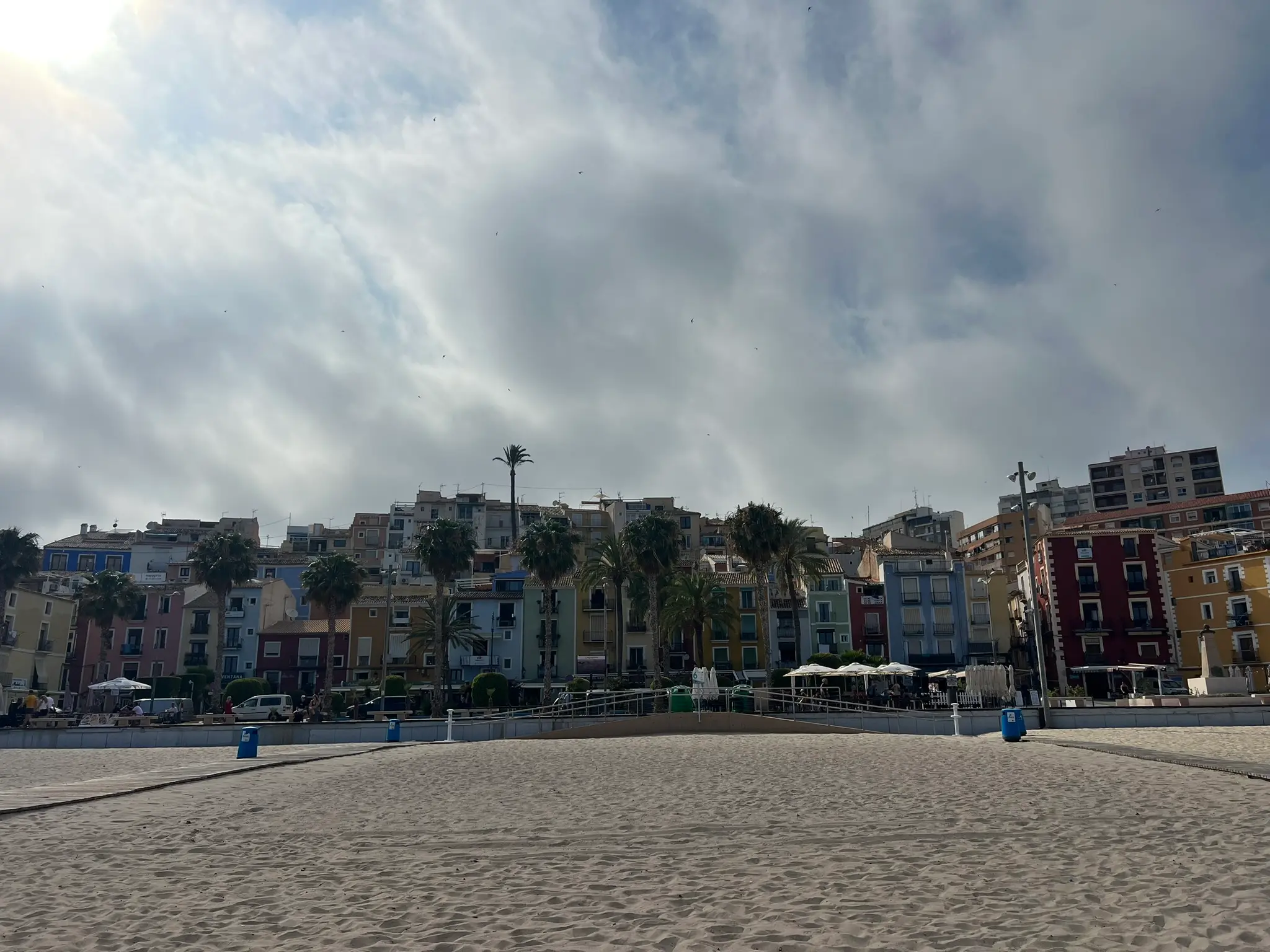
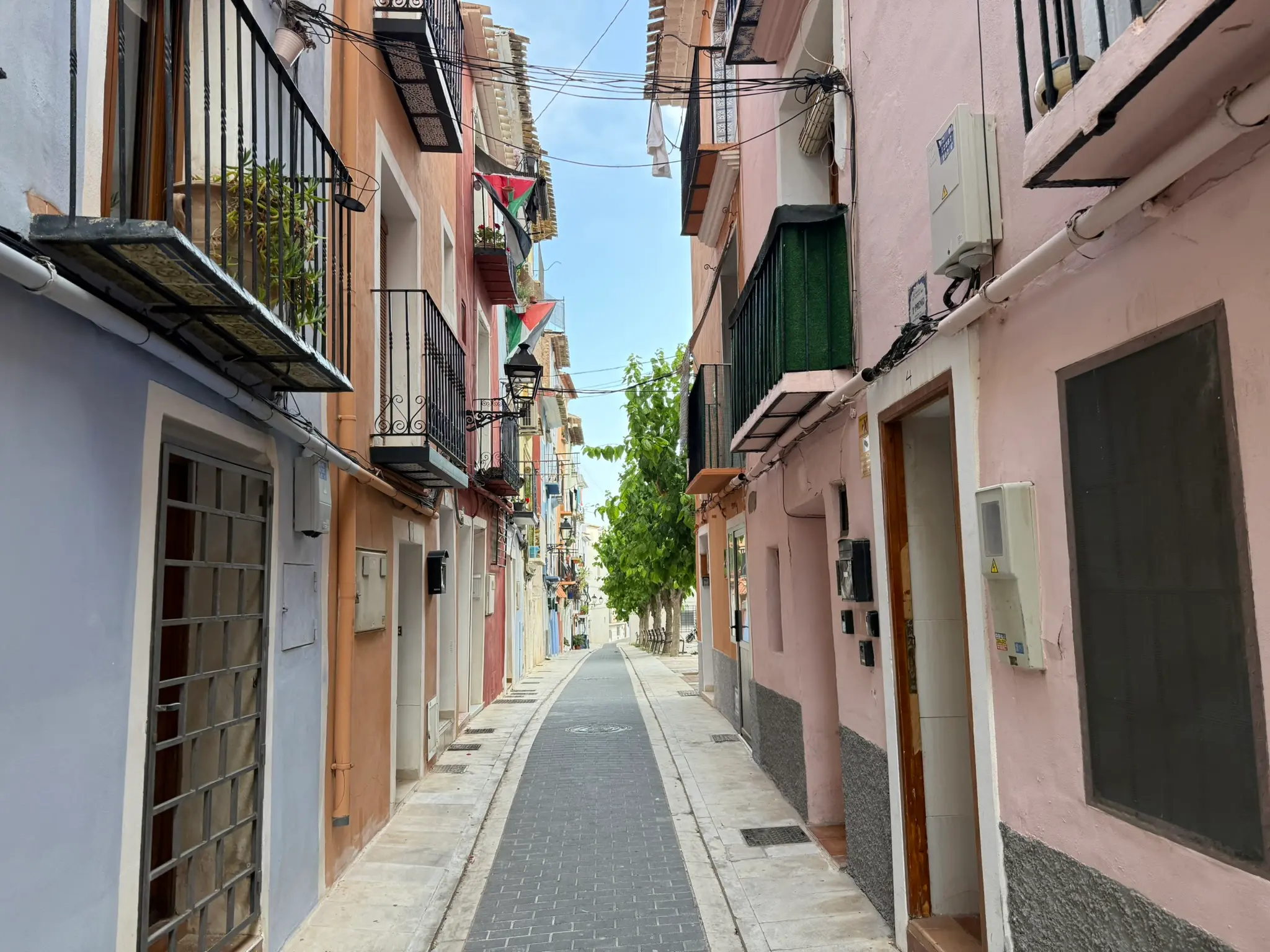
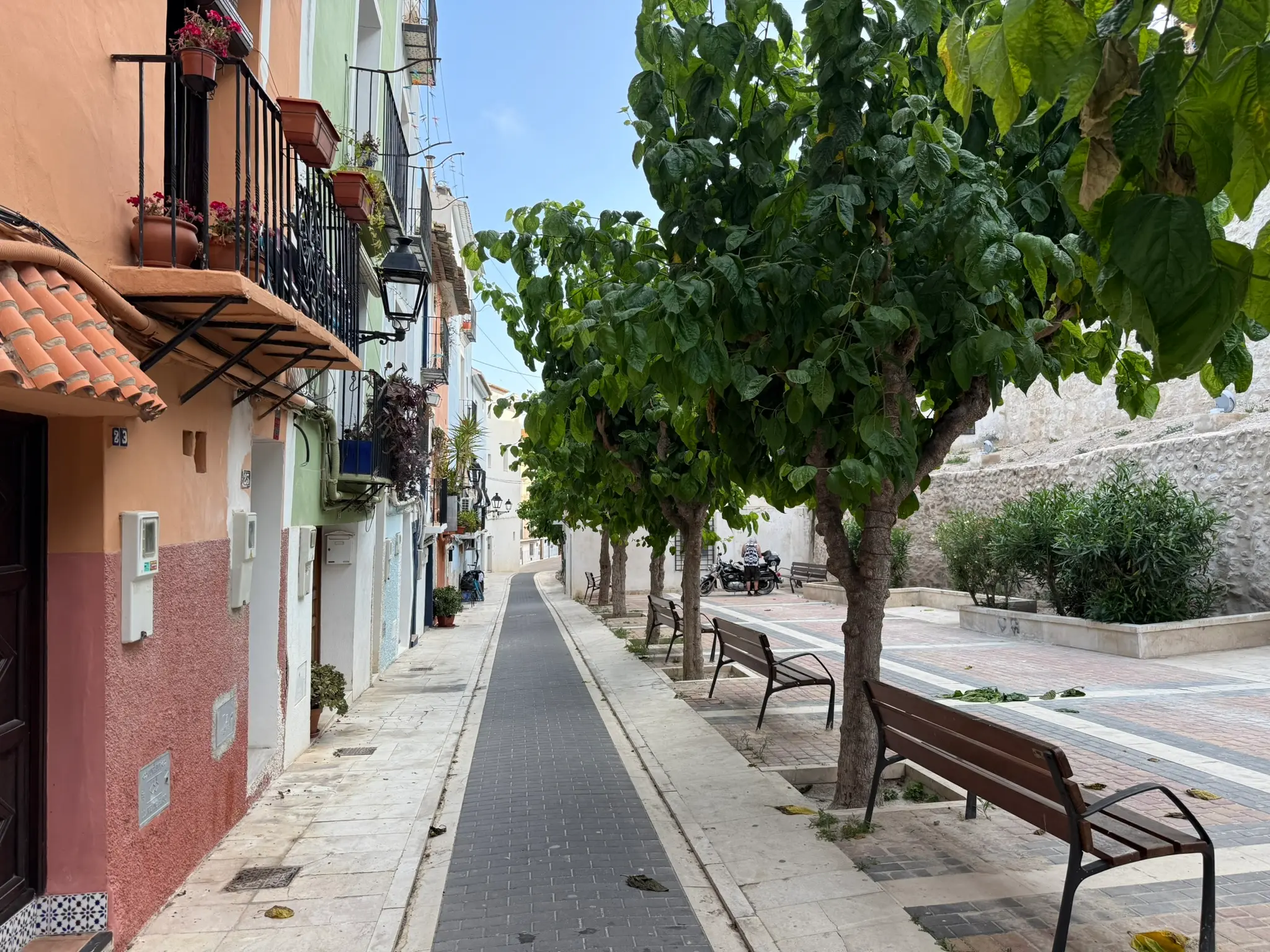
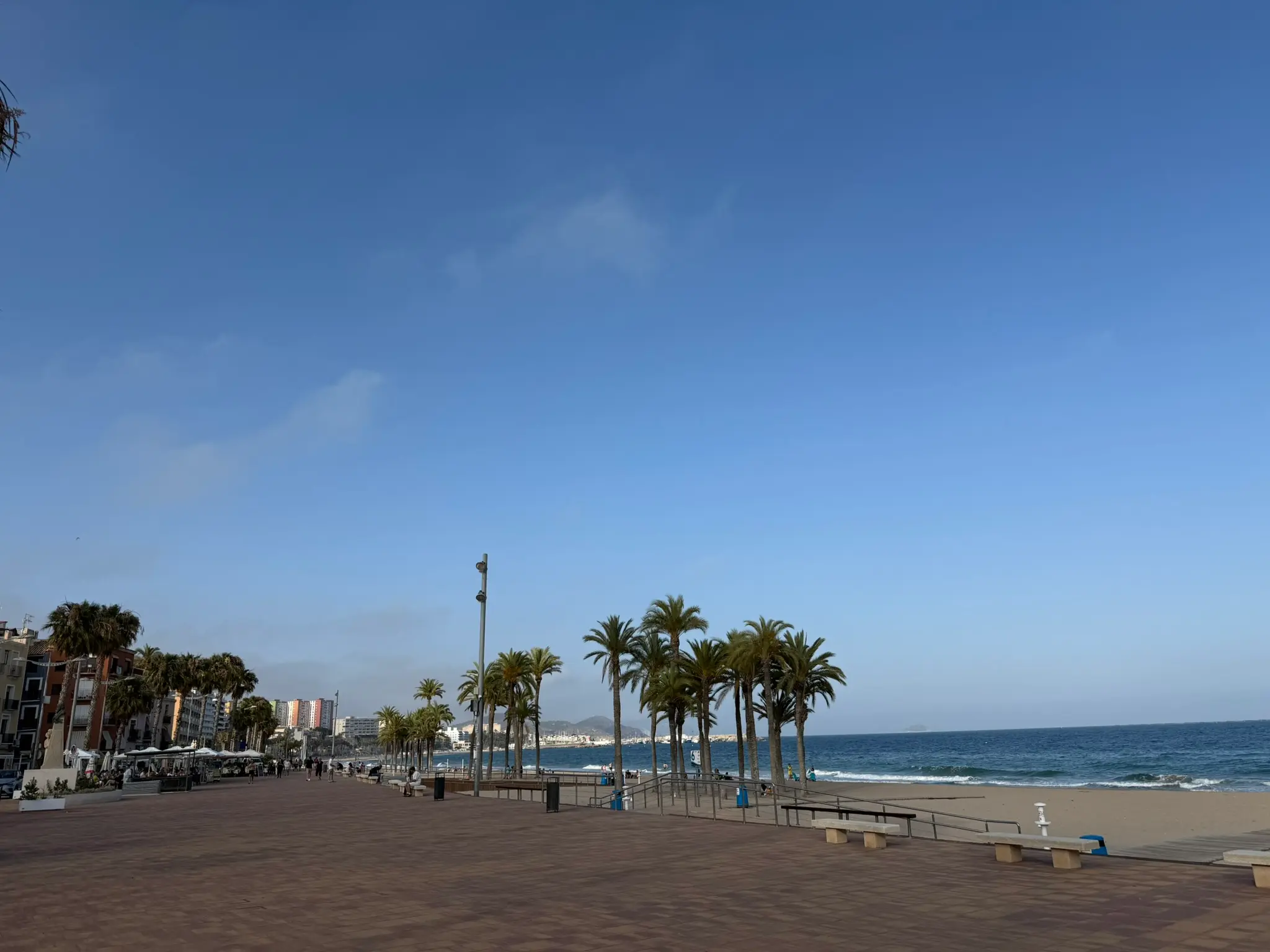
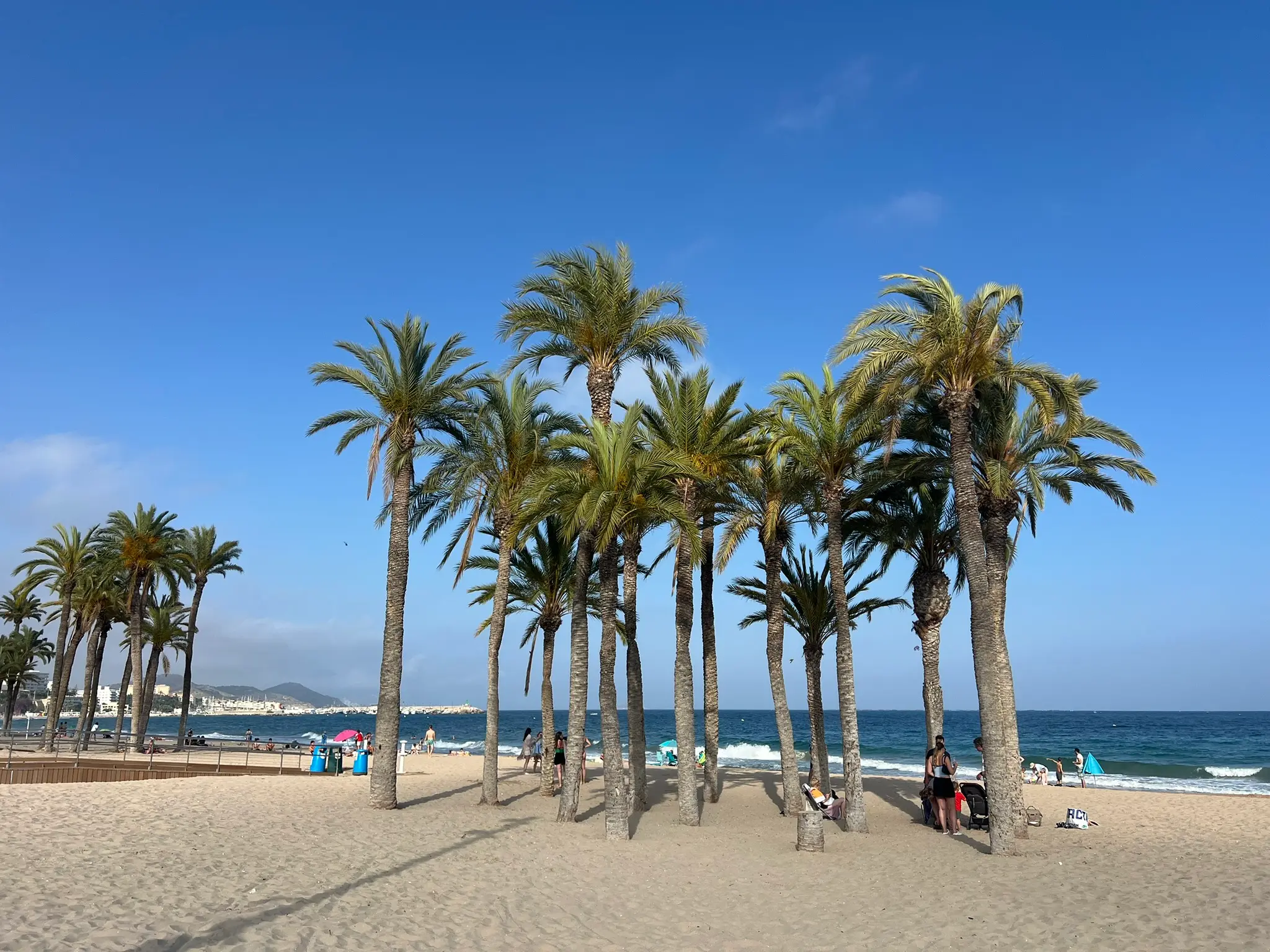
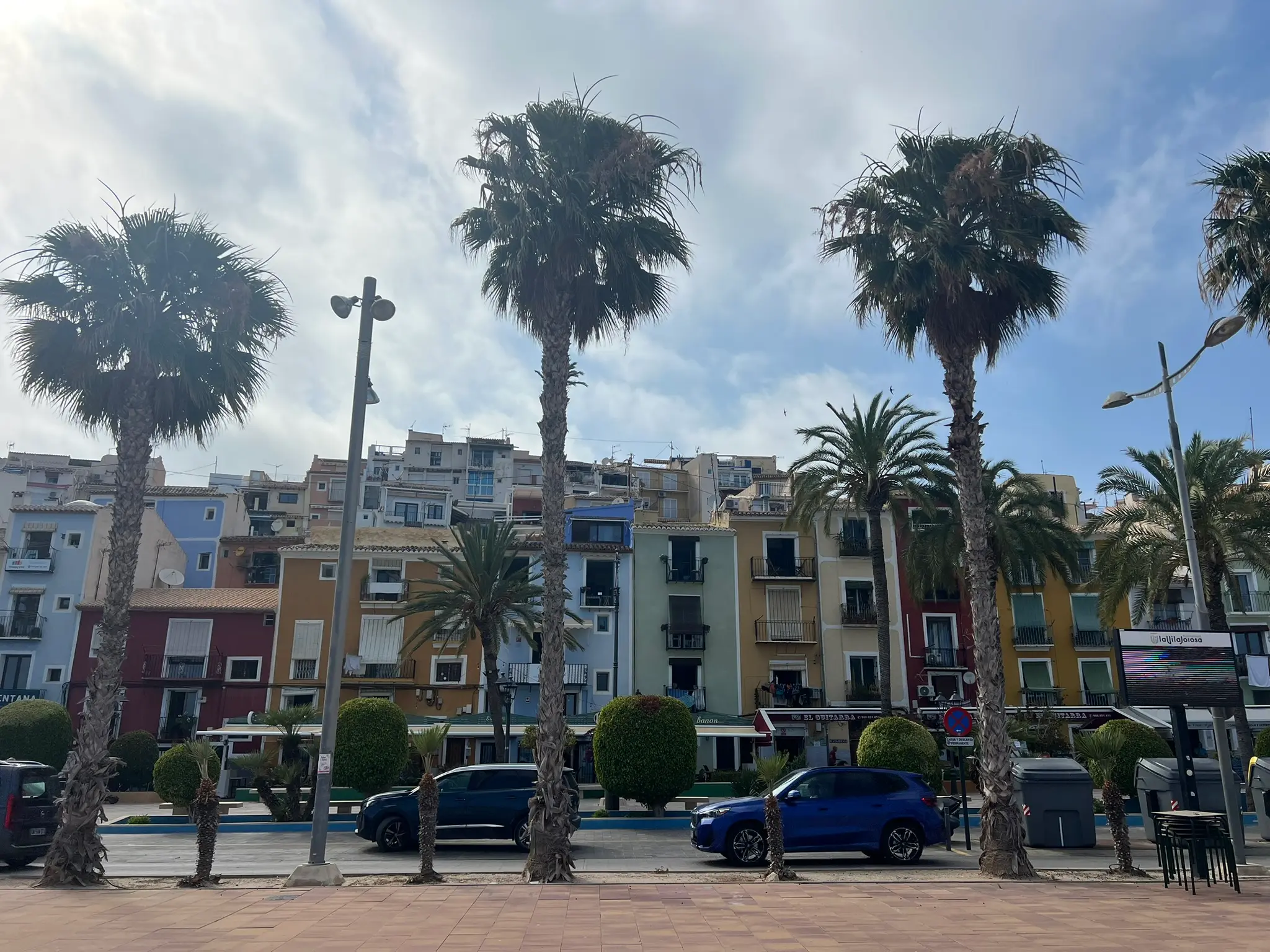
Painted houses, narrow streets, and a beach that actually belongs to the town.
Villajoyosa is not Altea. It doesn't try to be.
What it offers is different — a short walk through an old town that genuinely feels lived in, followed by an afternoon on a beach that hasn't been designed for tourists. The underground car park right at the seafront almost always has space, which already puts it ahead of most places on the Costa Blanca.
Closer than Altea, easier to park, and the kind of place you leave thinking you should come back.
A Town That Painted Itself — and Smells of Chocolate
Villajoyosa has been here longer than most people realise. The site dates back to the 6th century BC — Greeks, Phoenicians, Romans, and Moors all passed through or settled here before the town took its current form in 1293, founded by an admiral in the service of the Kingdom of Aragon.
The name comes from the Valencian La Vila Joiosa — the happy town. It earned that name honestly.
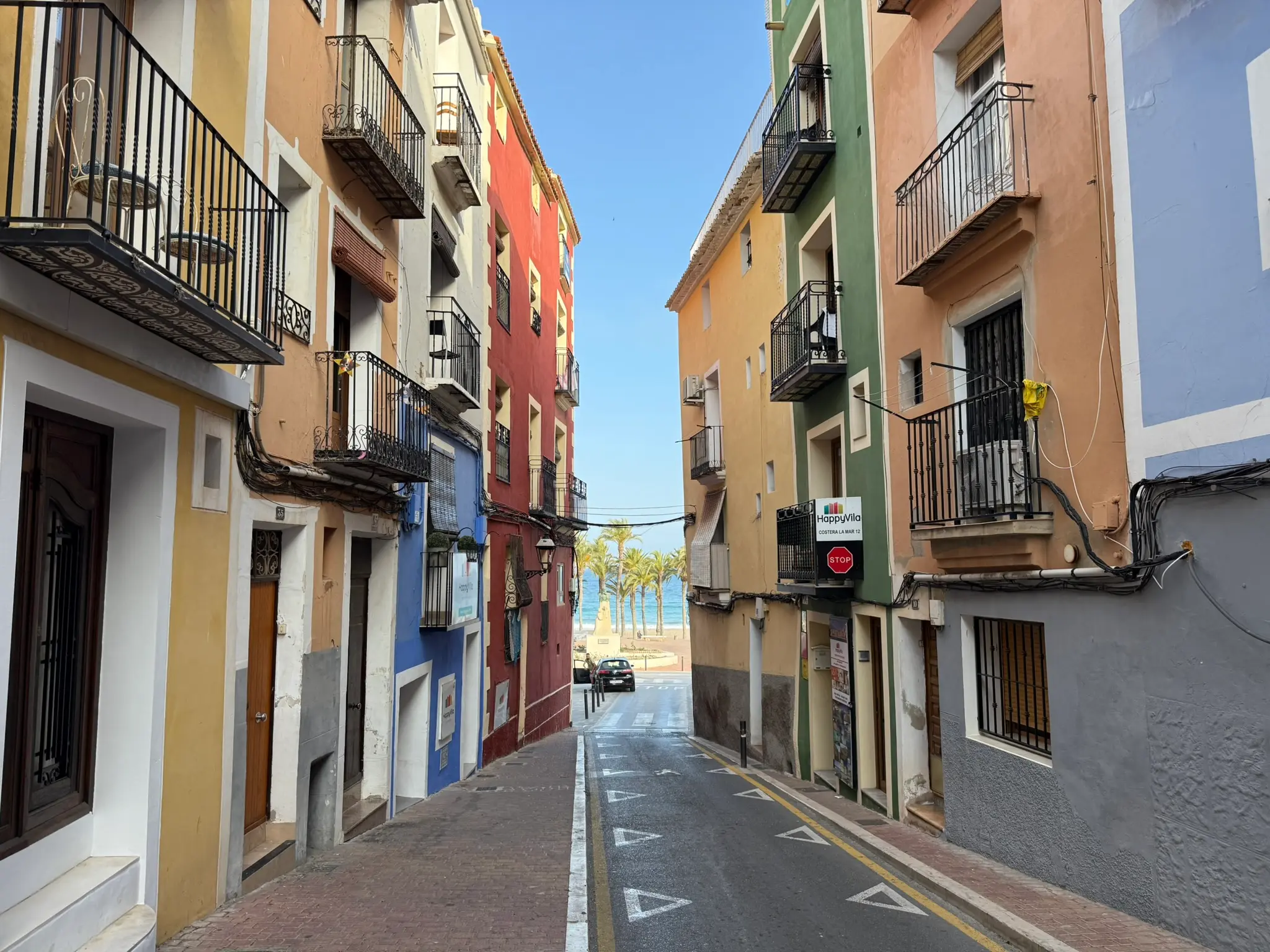
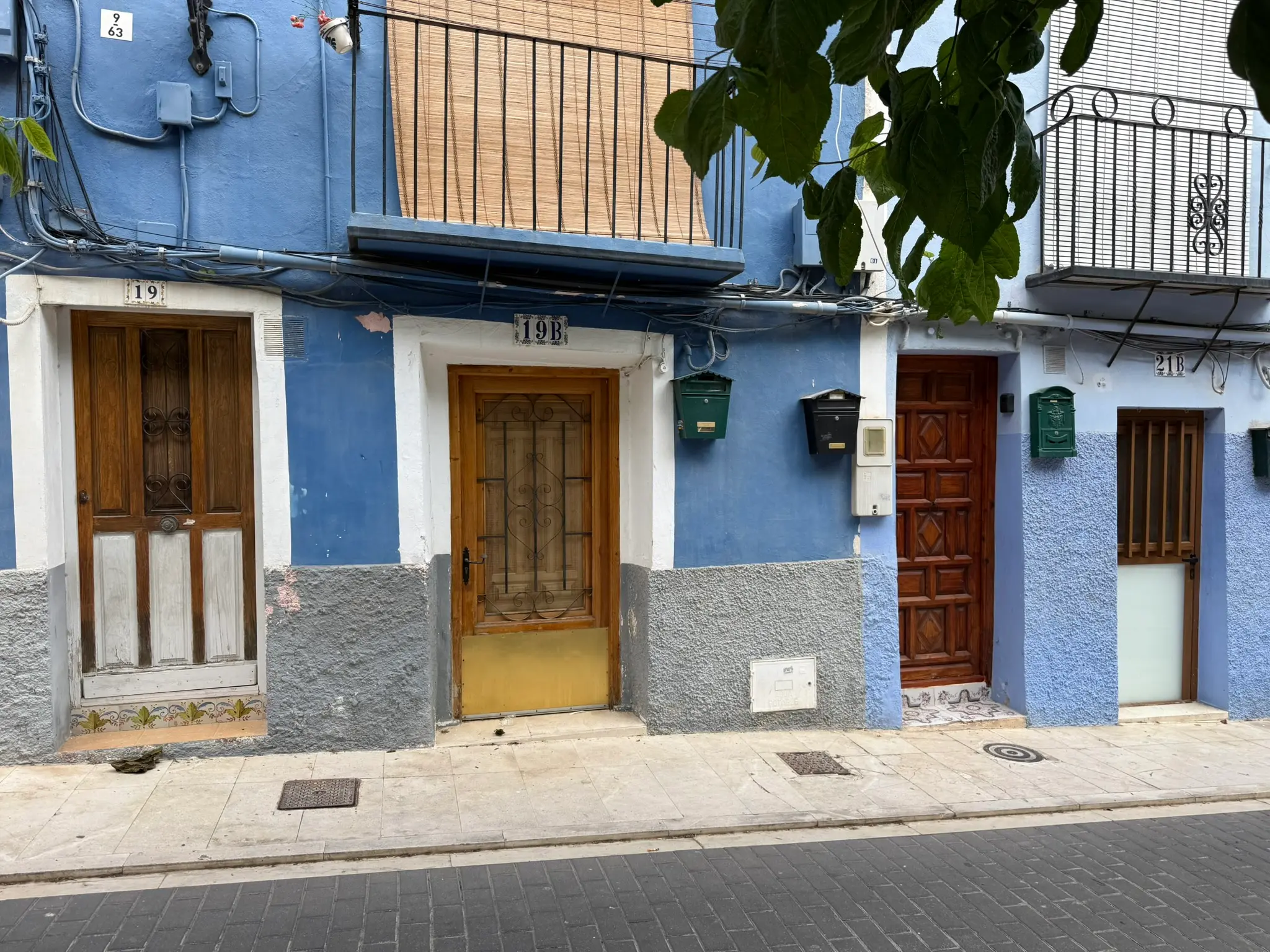
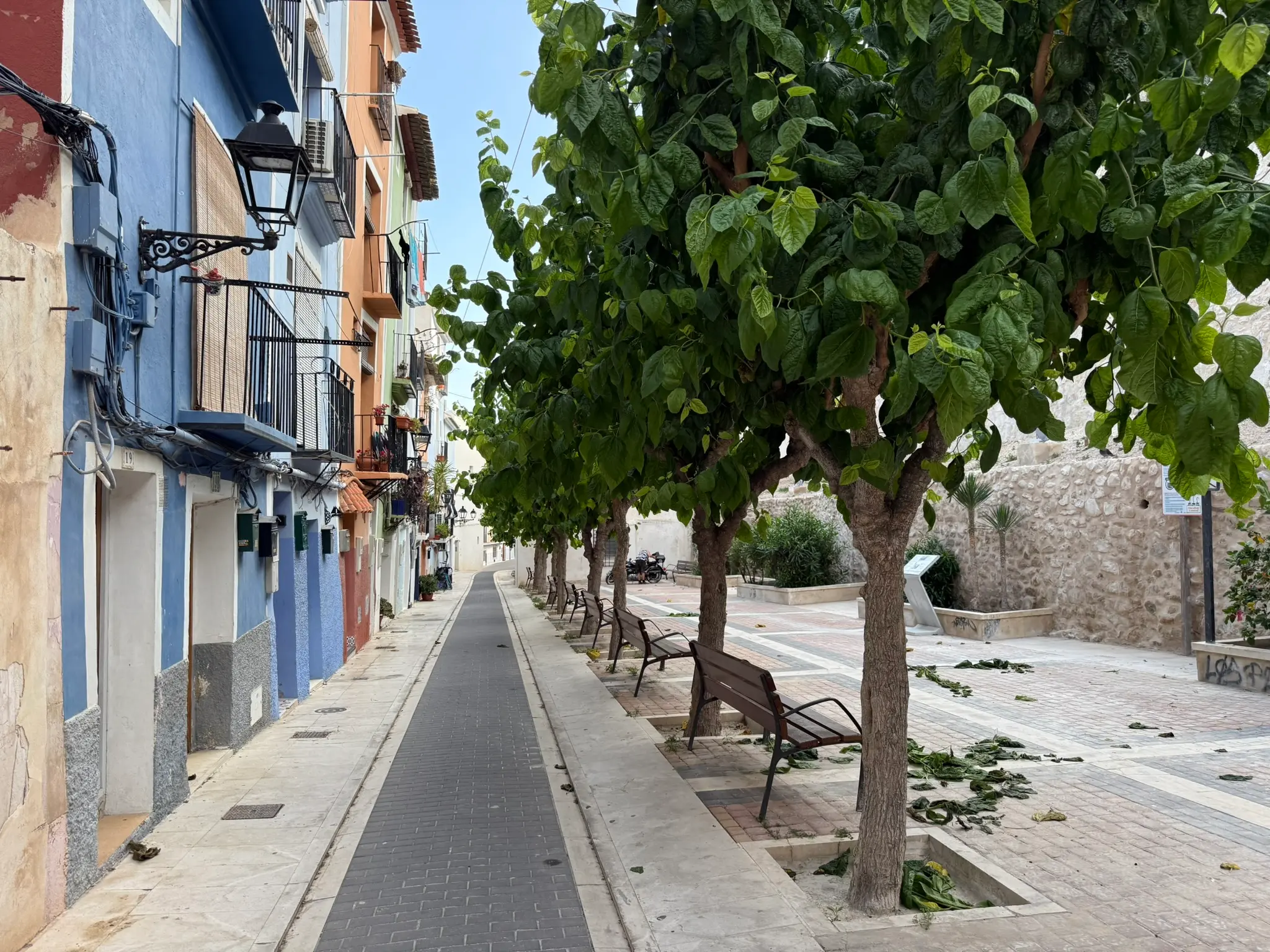
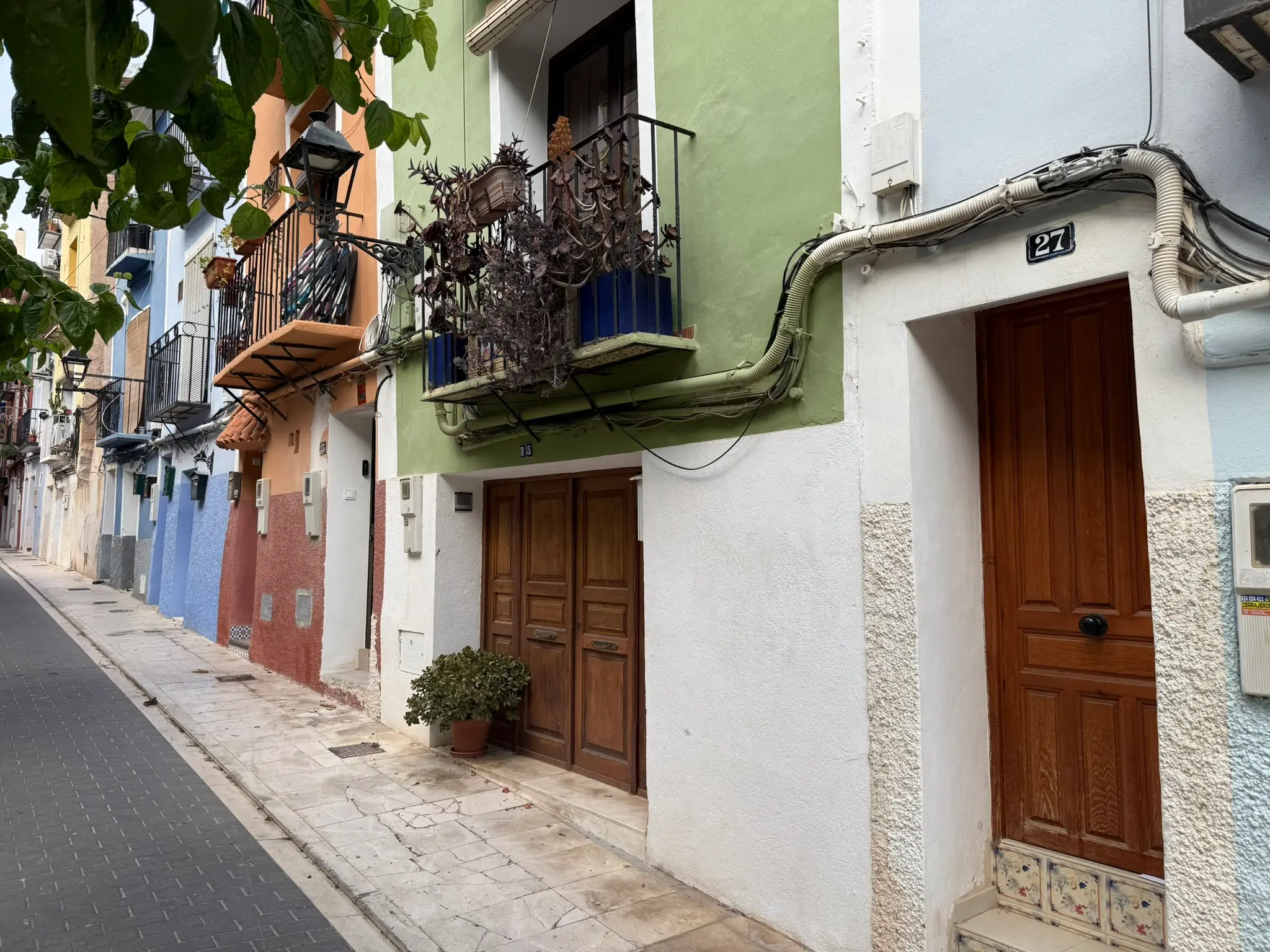
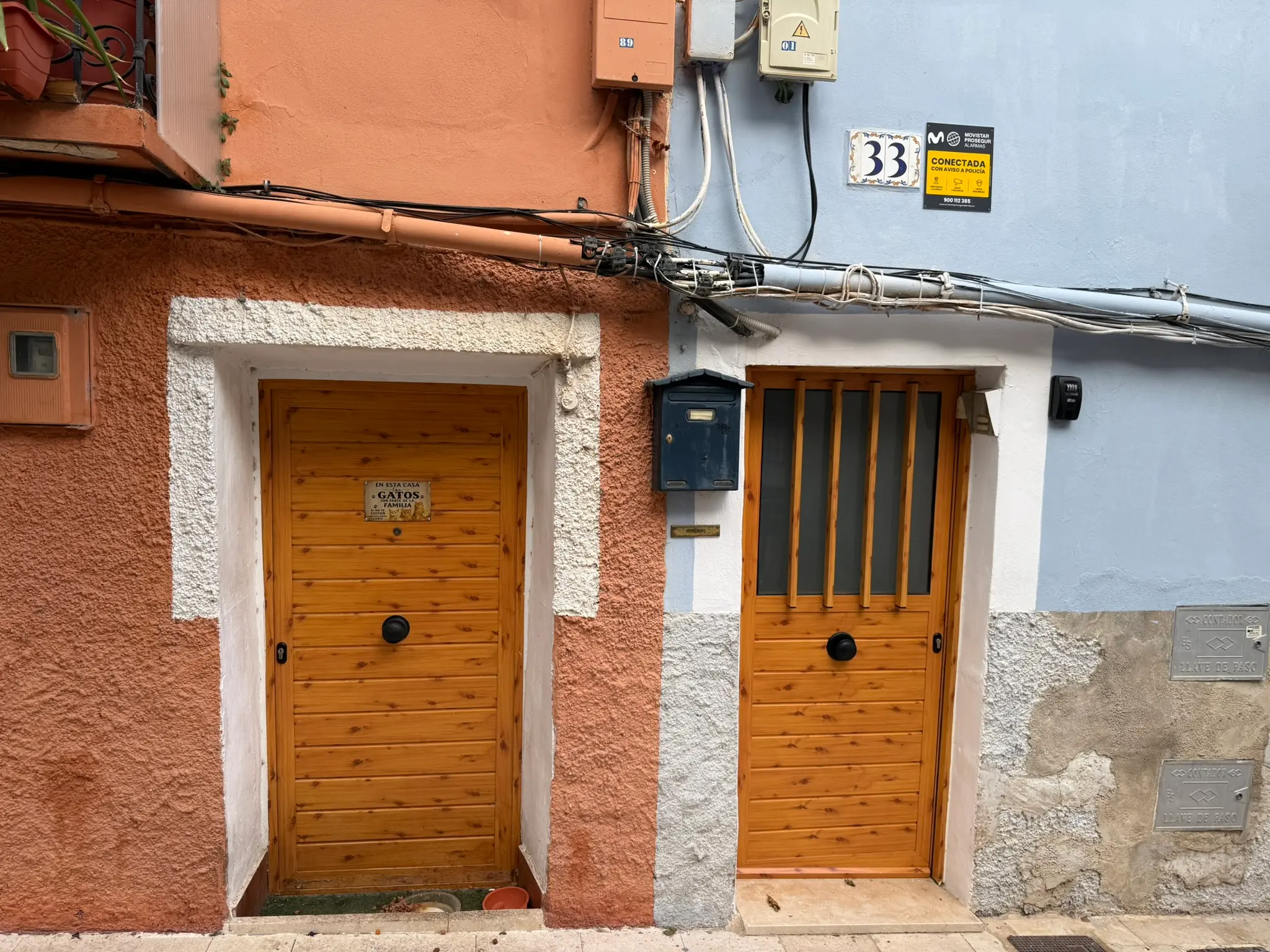
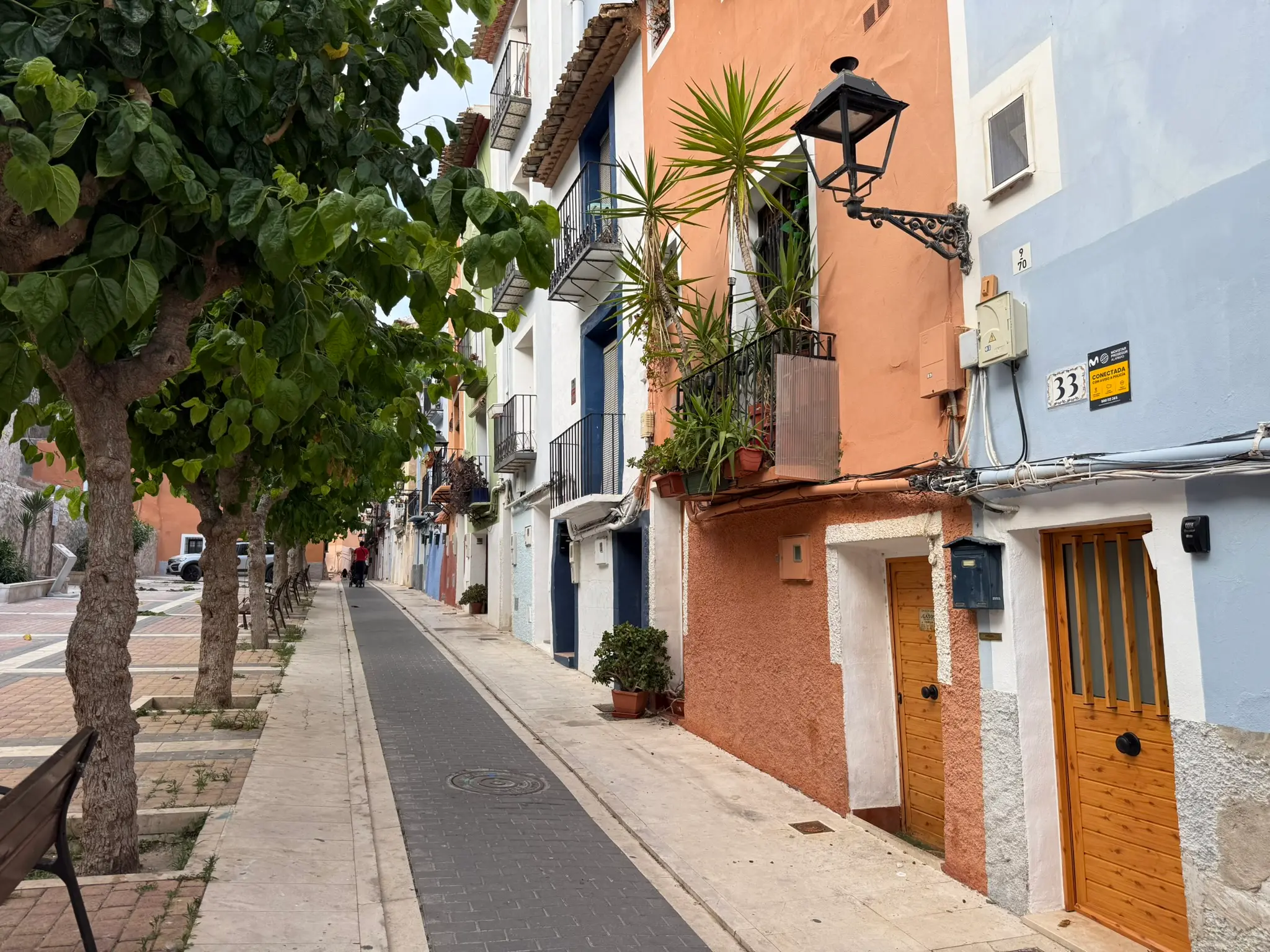
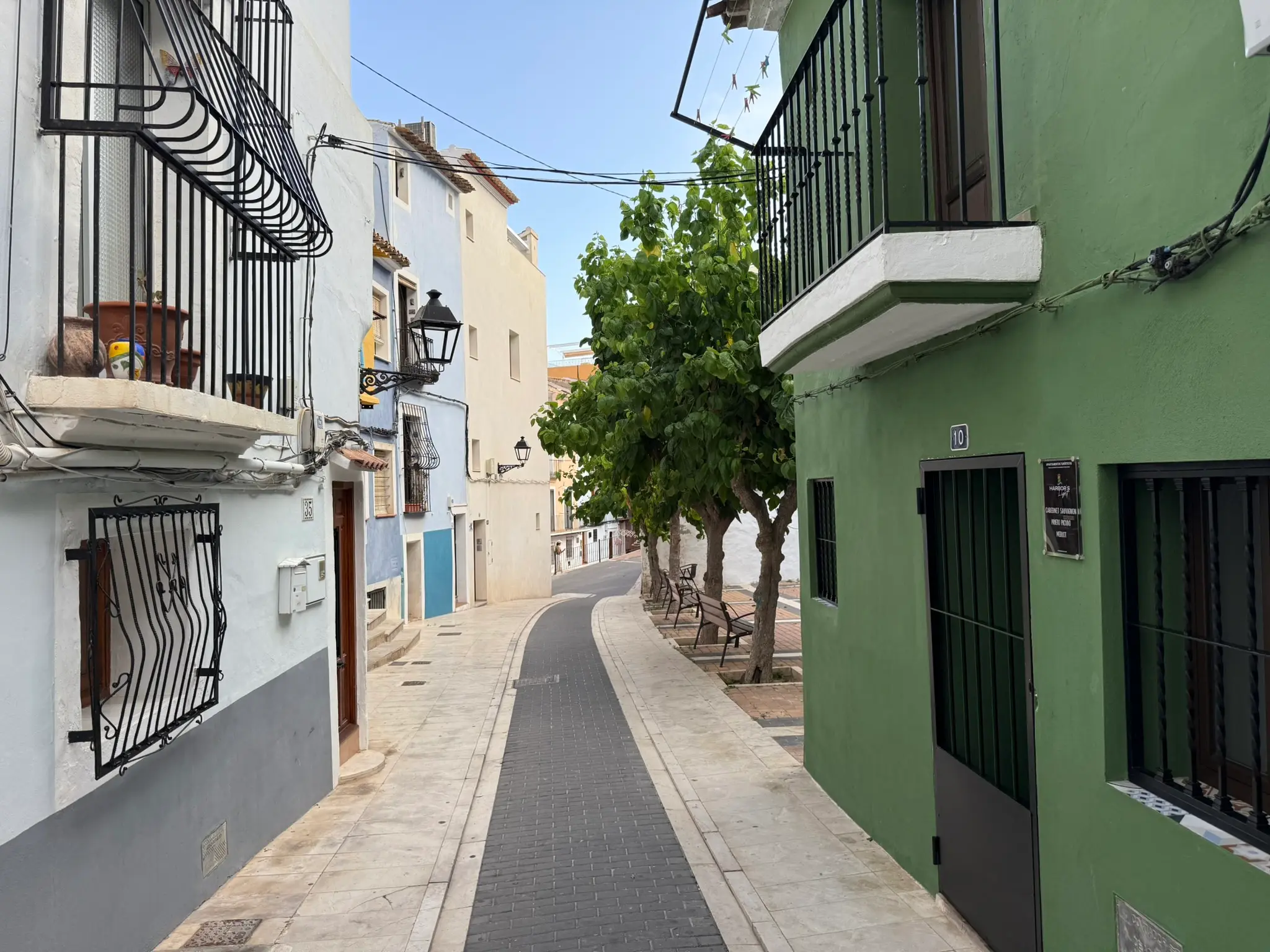
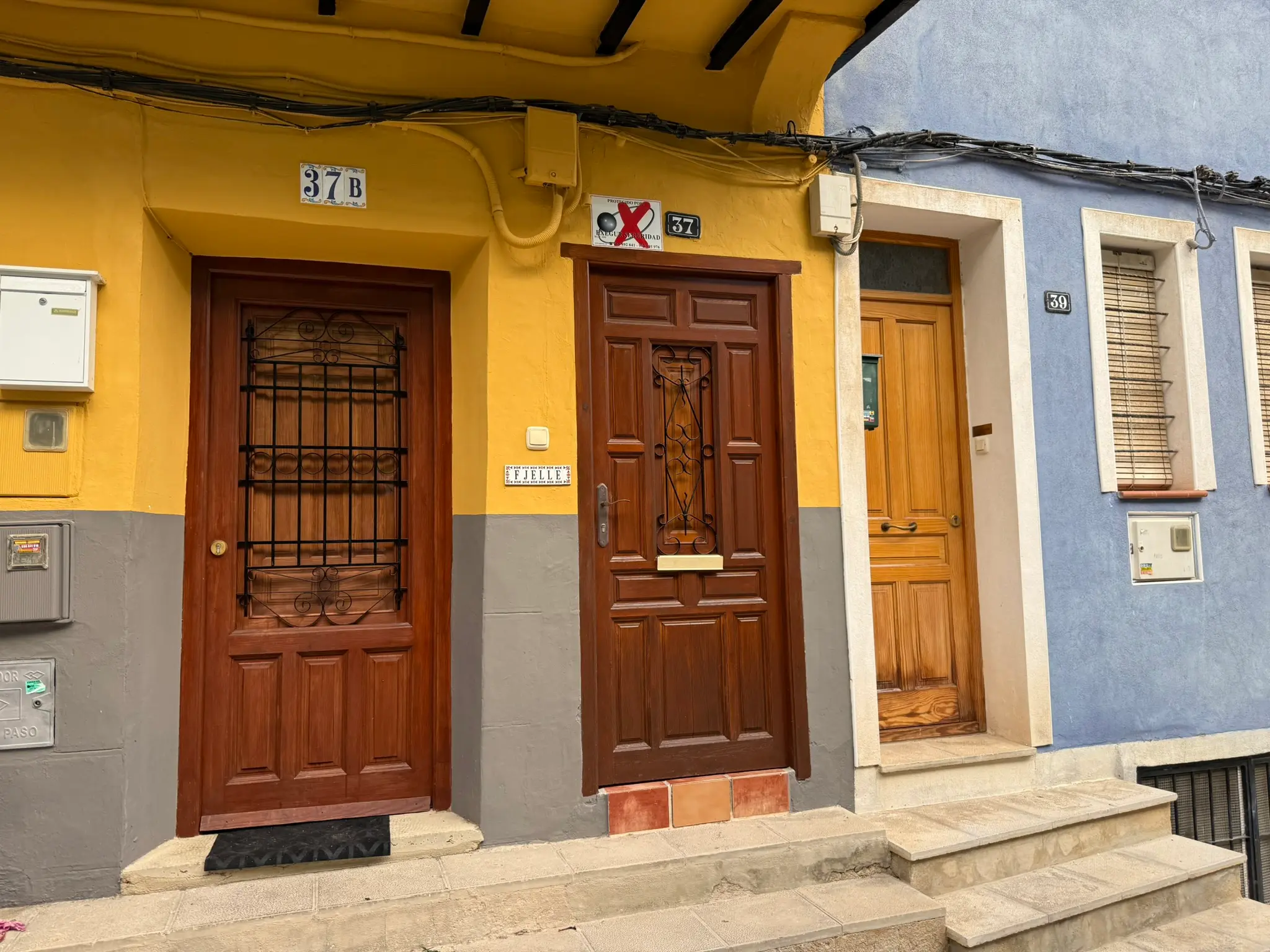
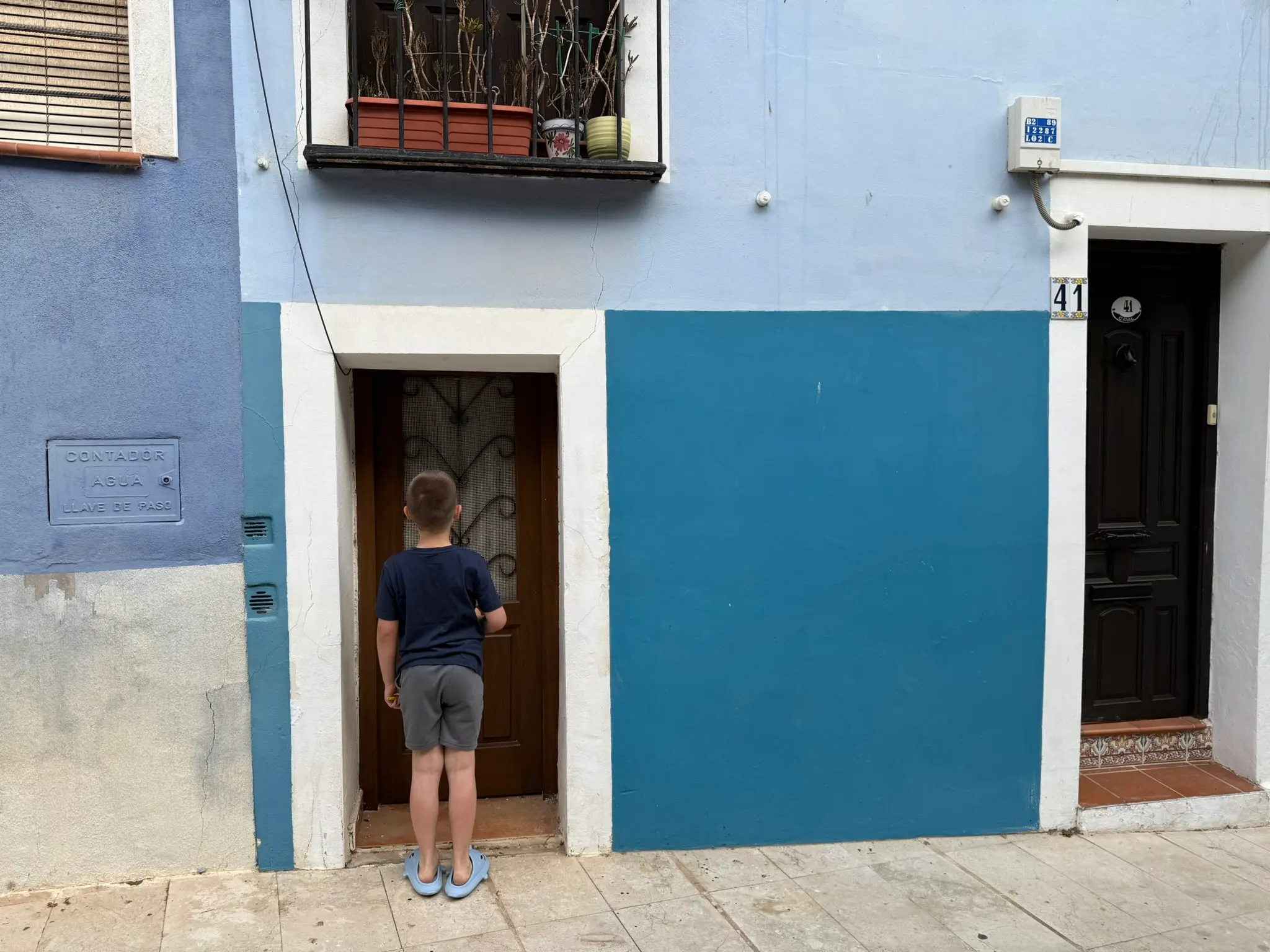
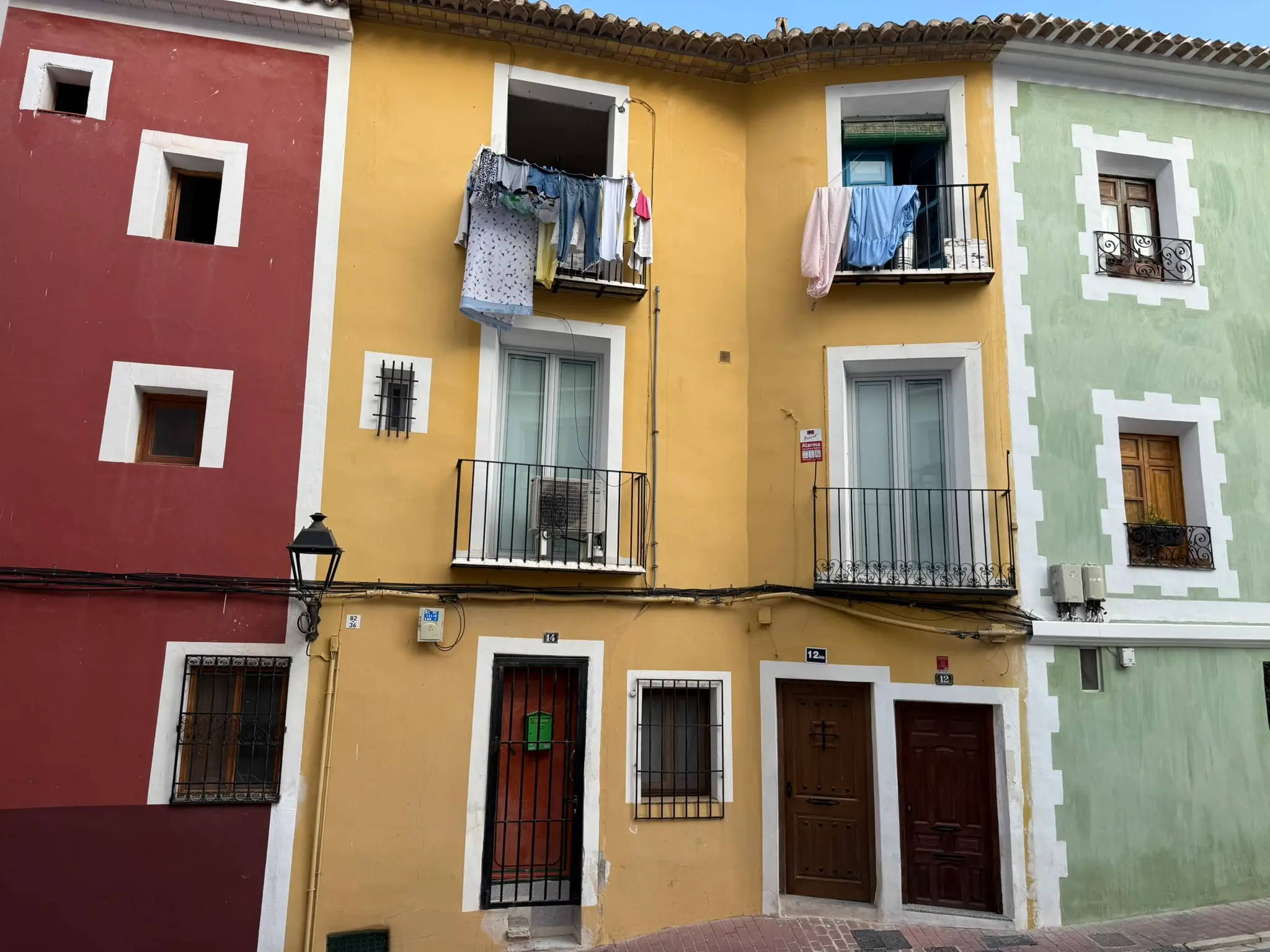
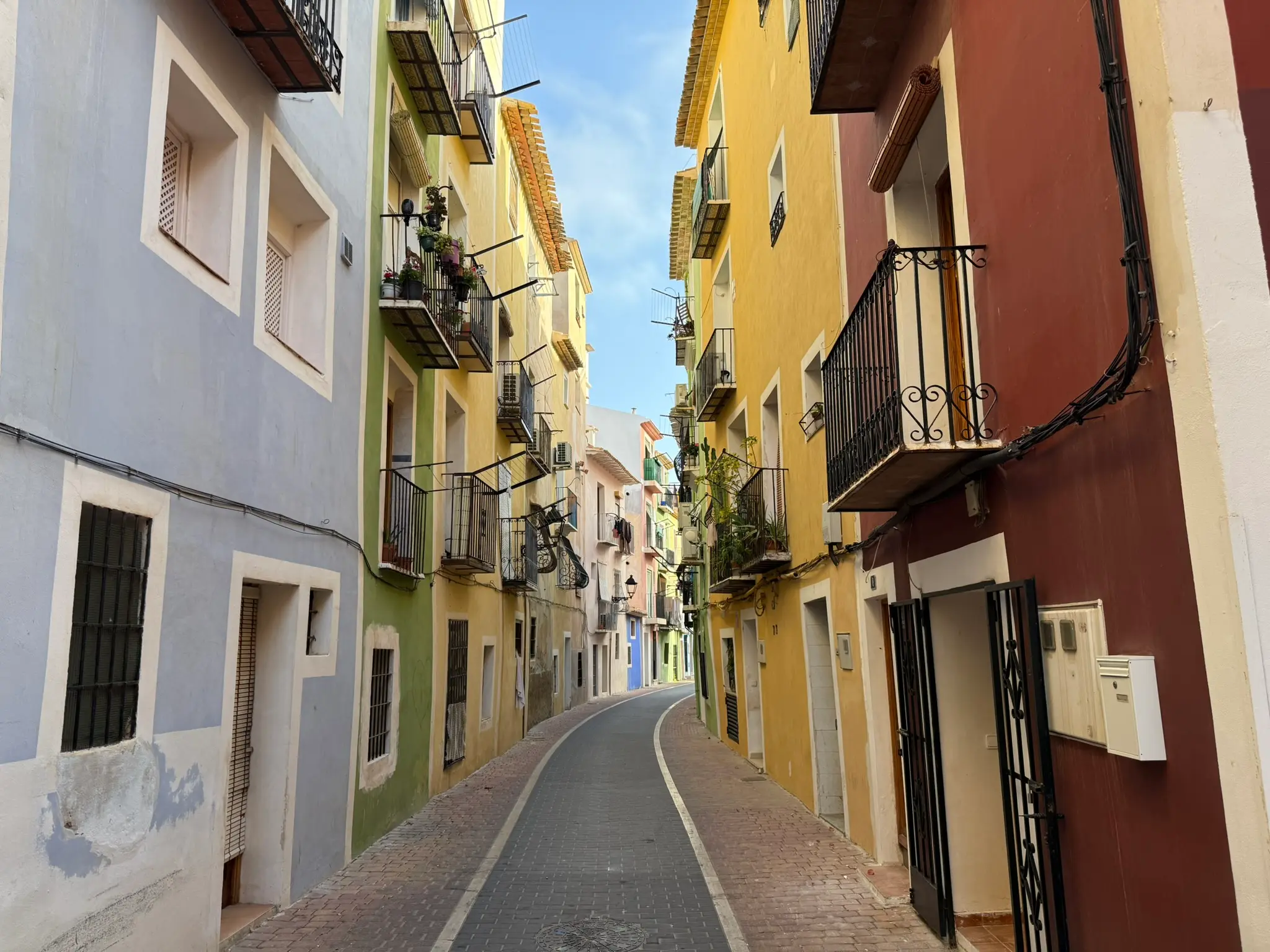
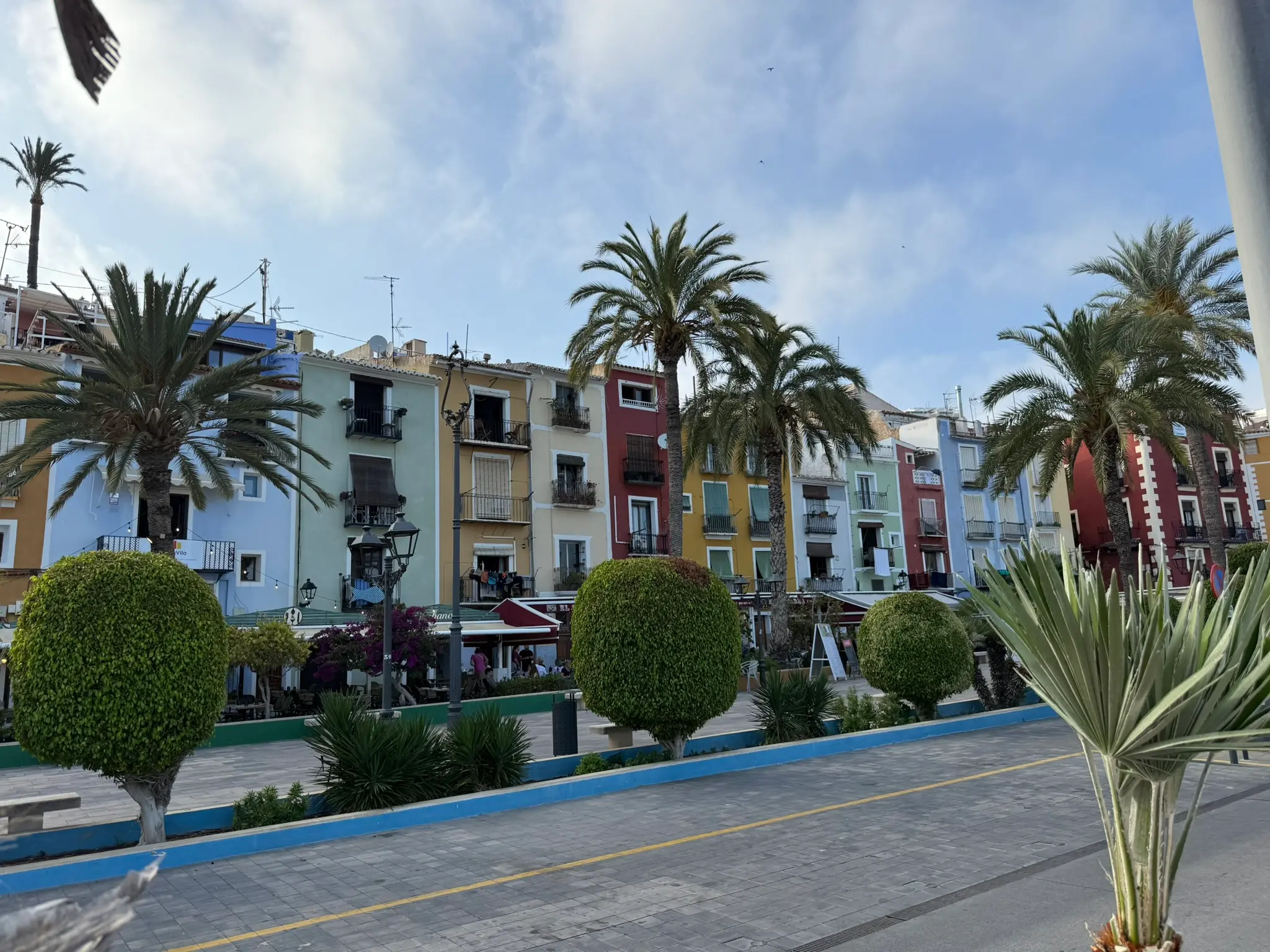
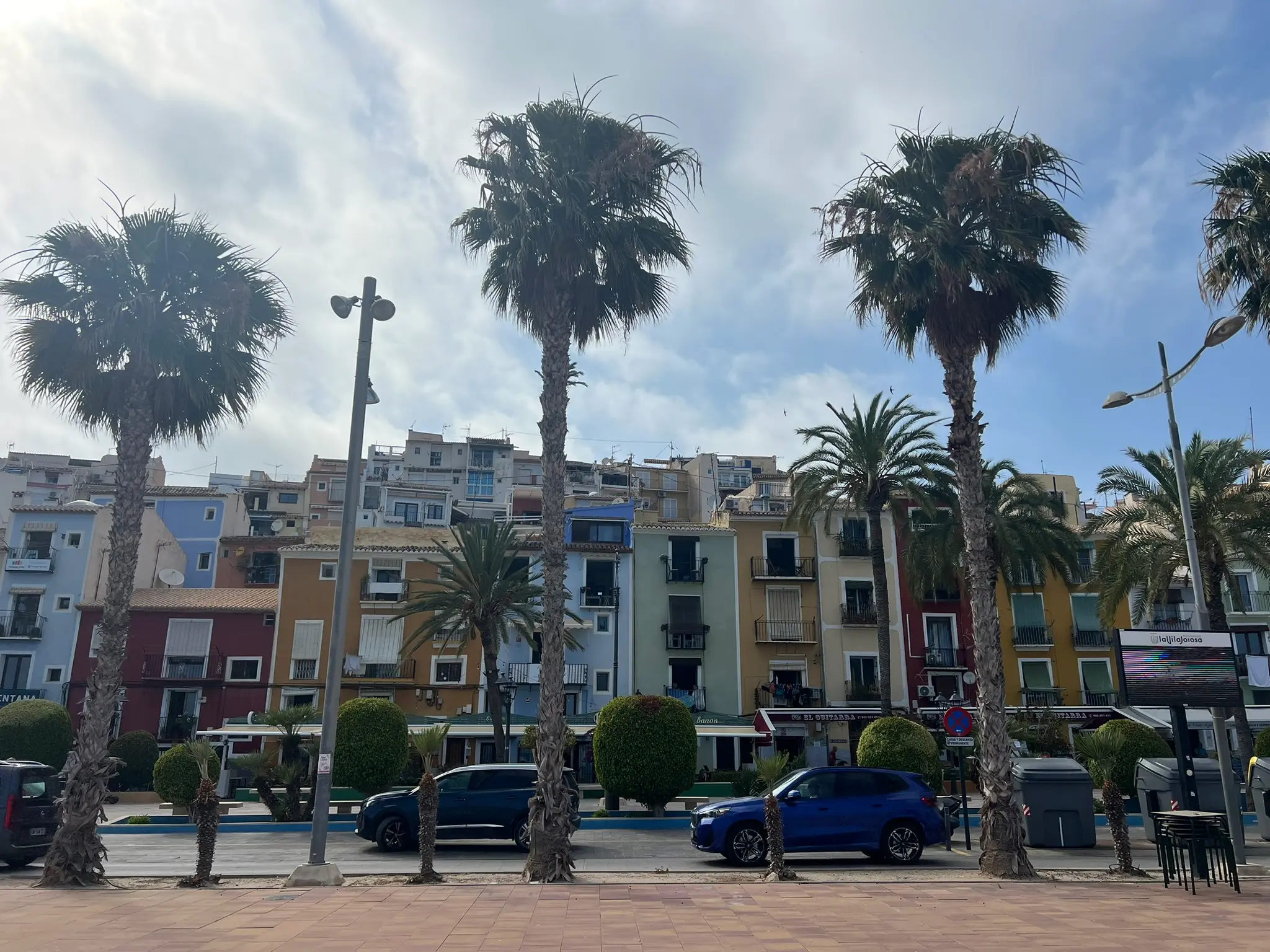
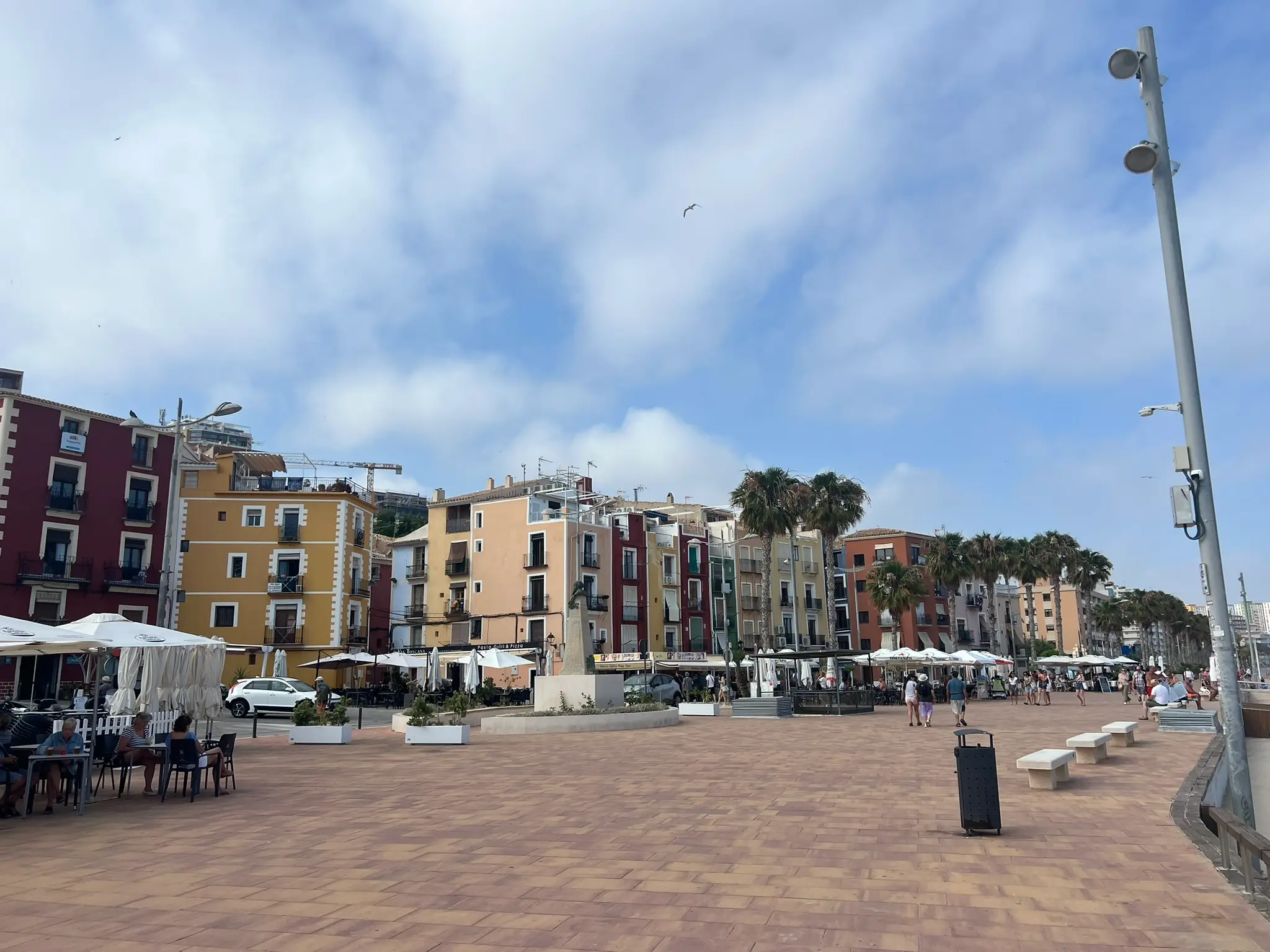
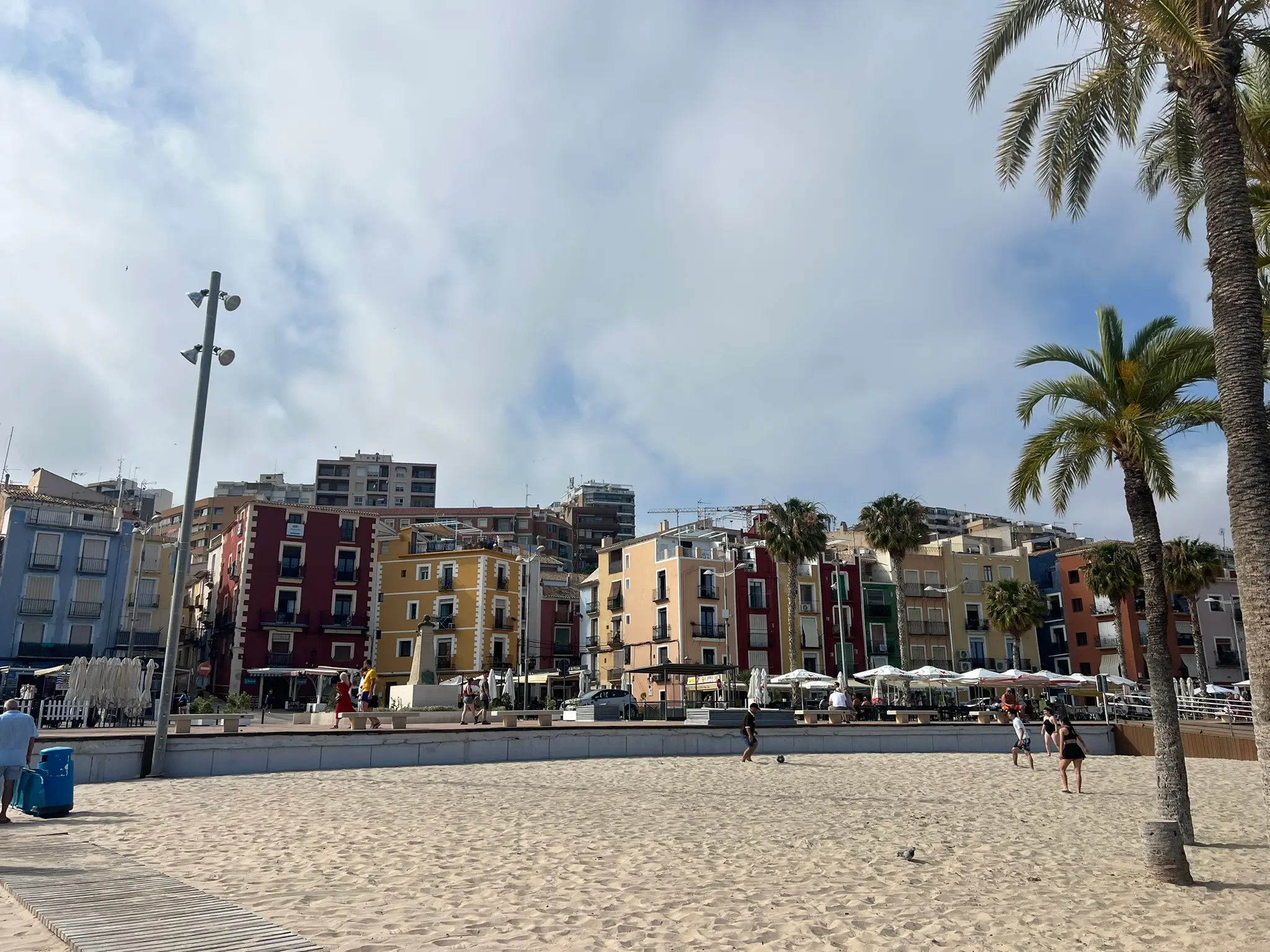
The colourful houses along the seafront are the image everyone comes for — and the reason behind them is more practical than decorative. Local fishermen painted their homes in distinct colours so they could identify them from out at sea. Blues, reds, yellows, and greens lined up along the waterfront — not for tourists, but for men trying to find their way home through Mediterranean mist. The tourists came later. The colours stayed for the same reason they always were — because they work.
The eight watchtowers scattered around the old town tell a different story. Torre Simeón and the others were built to spot pirates before pirates spotted you. The Costa Blanca in the 16th and 17th centuries was not the relaxed place it is today.
Then there's the chocolate. In the 19th century Villajoyosa became the chocolate capital of Spain — its busy port received cargo ships loaded with cocoa from Ecuador and Venezuela, and the factories followed. In 1881 the Valor factory opened here. It's still here. Part of it is now a museum with free daily tours. On the right day, walking into town, you can smell the cocoa before you see the houses.
One more thing worth knowing: in late July the town stages the Moros y Cristianos festival — a full reenactment of a Moorish naval landing on the beach, complete with ships, fireworks, and music starting at dawn. One of the most spectacular local festivals on the Costa Blanca.
Villajoyosa — What People Actually Want to Know
Coloured houses, chocolate, parking and festivals. All covered.
How Far is Villajoyosa from Alicante?
Why Are the Houses in Villajoyosa Different Colours?
Is the Valor Chocolate Museum Worth Visiting?
What is the Best Time to Visit Villajoyosa?
Is There Parking in Villajoyosa?
What is Villajoyosa Known For?
Is Villajoyosa Worth Visiting?
What is the Moros y Cristianos Festival in Villajoyosa?
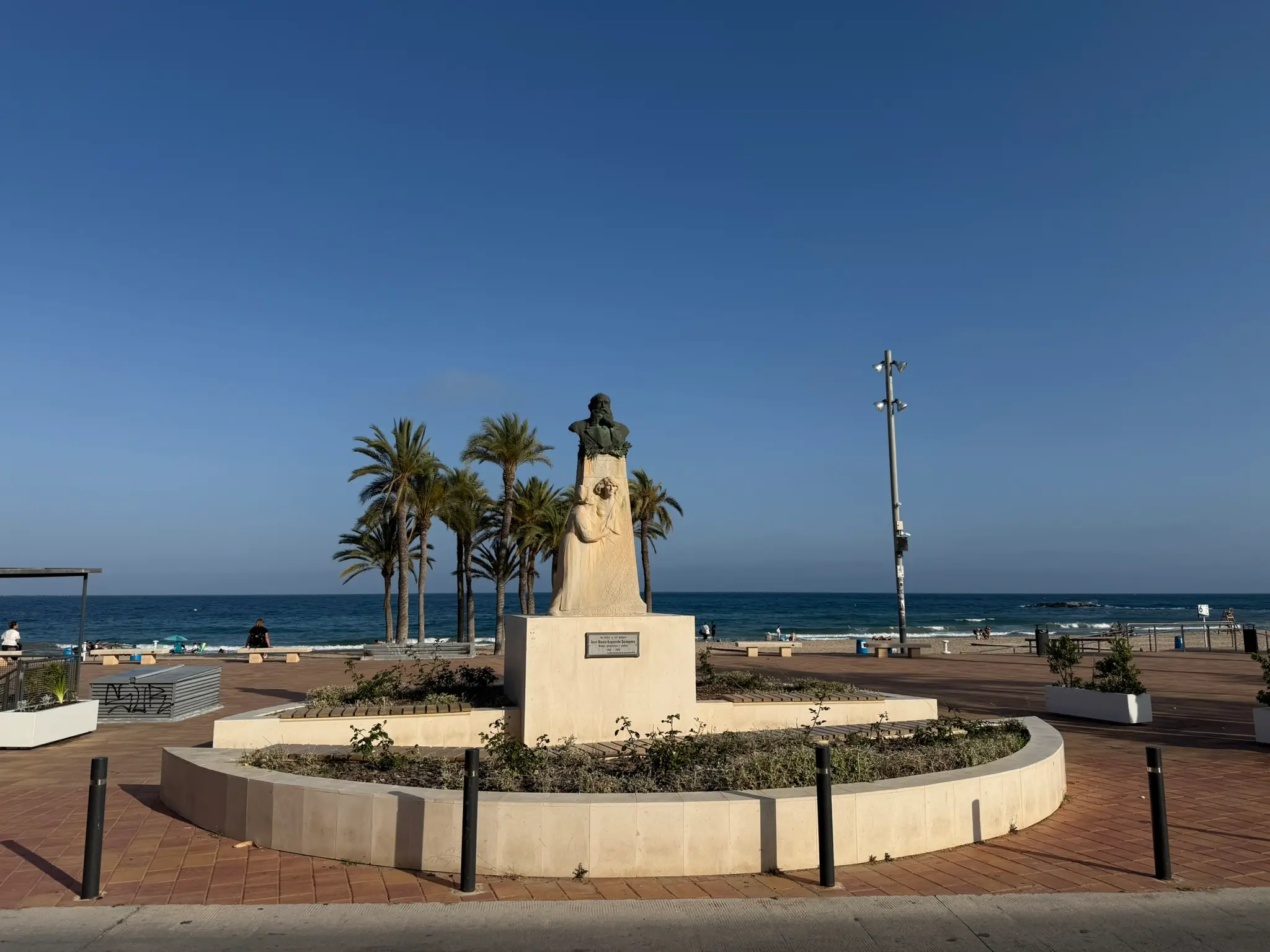
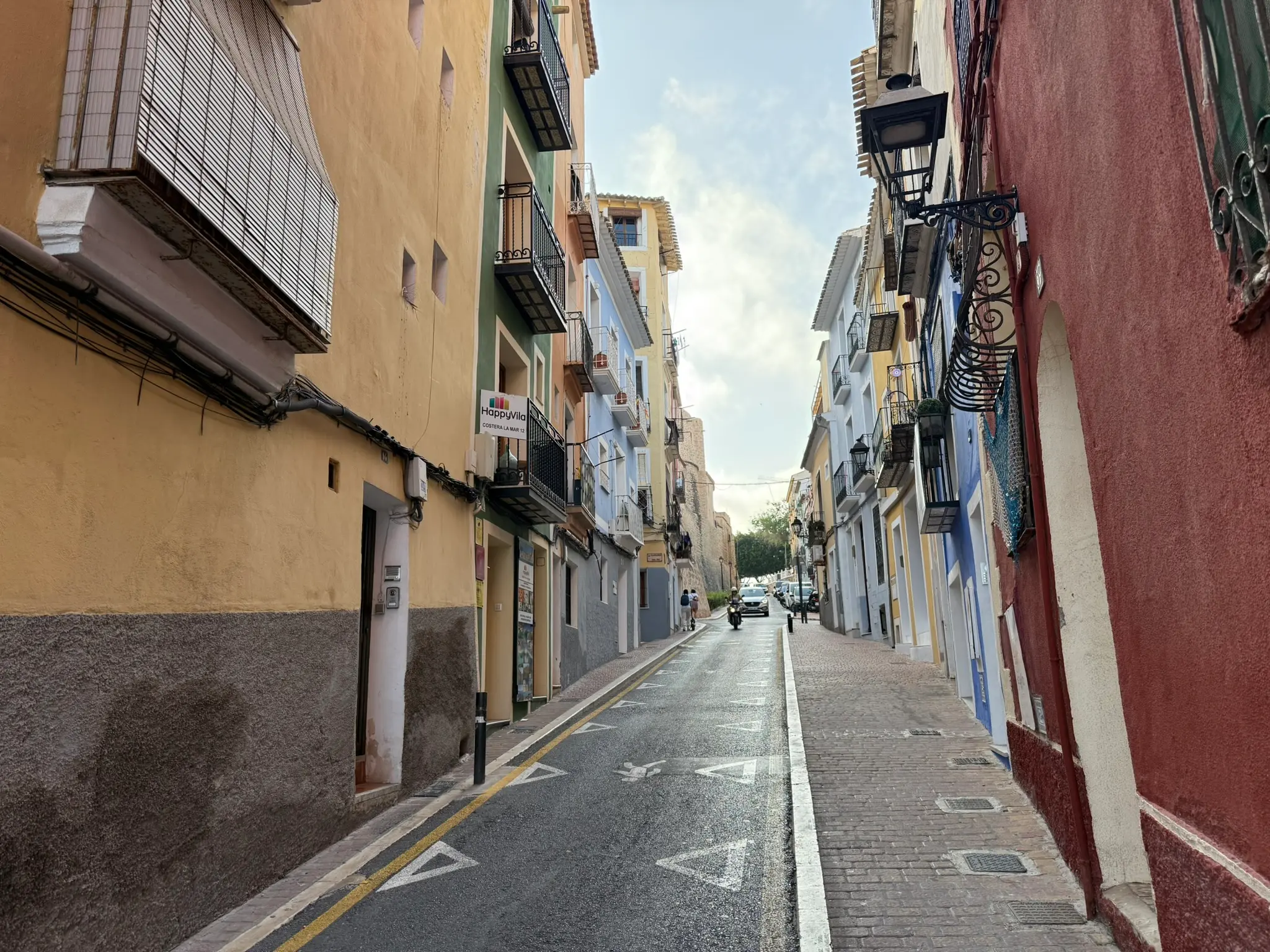
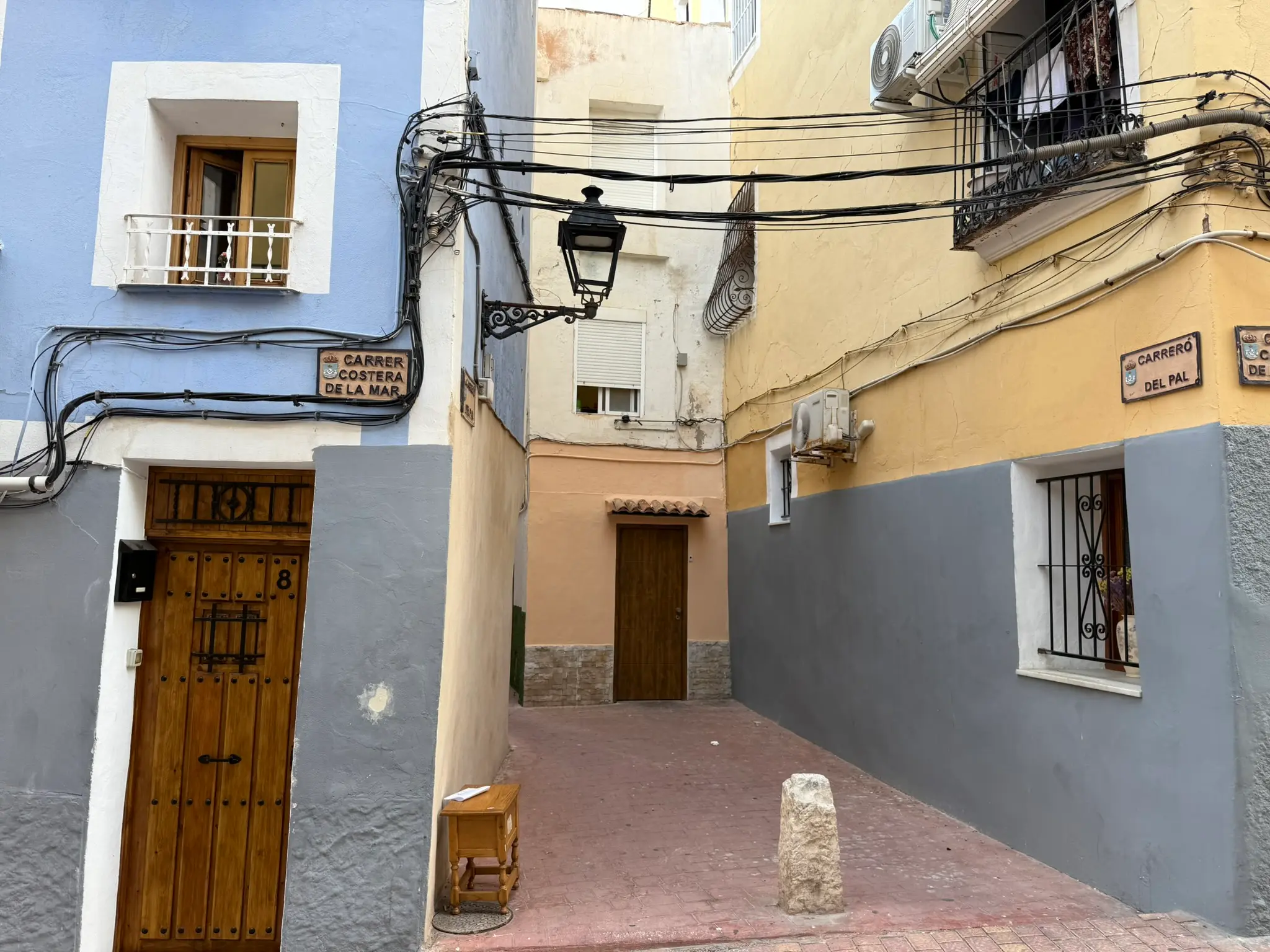
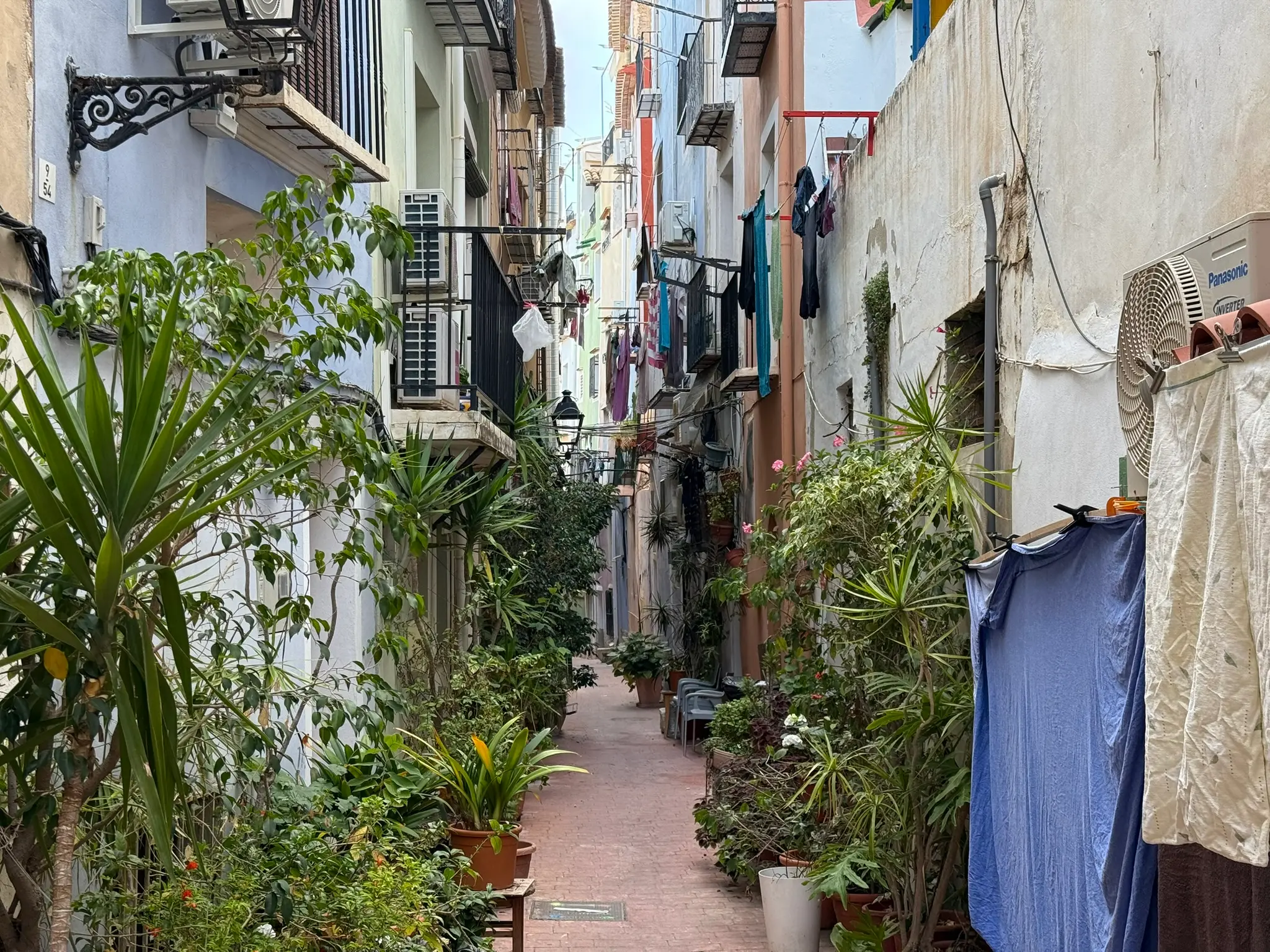
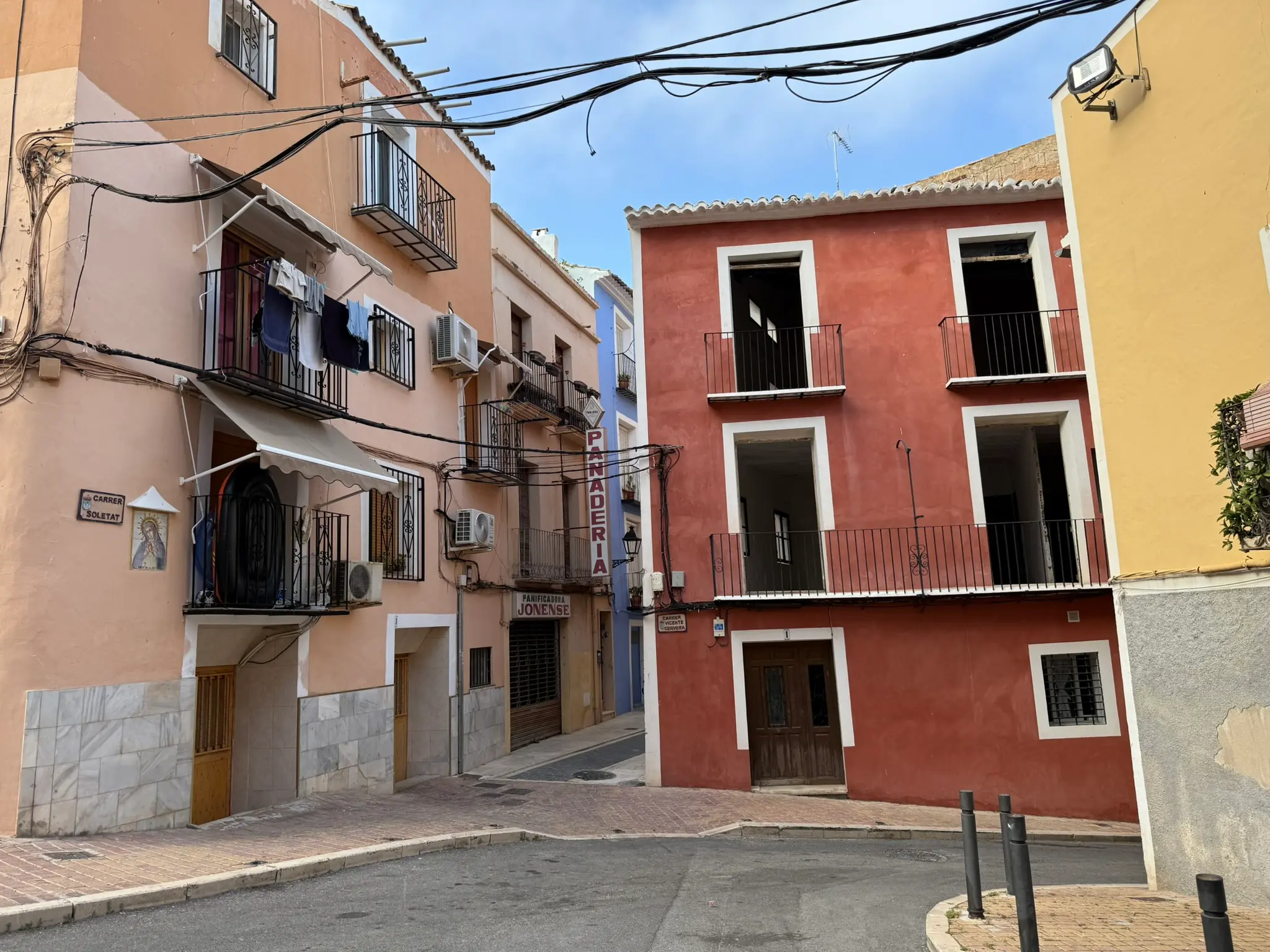
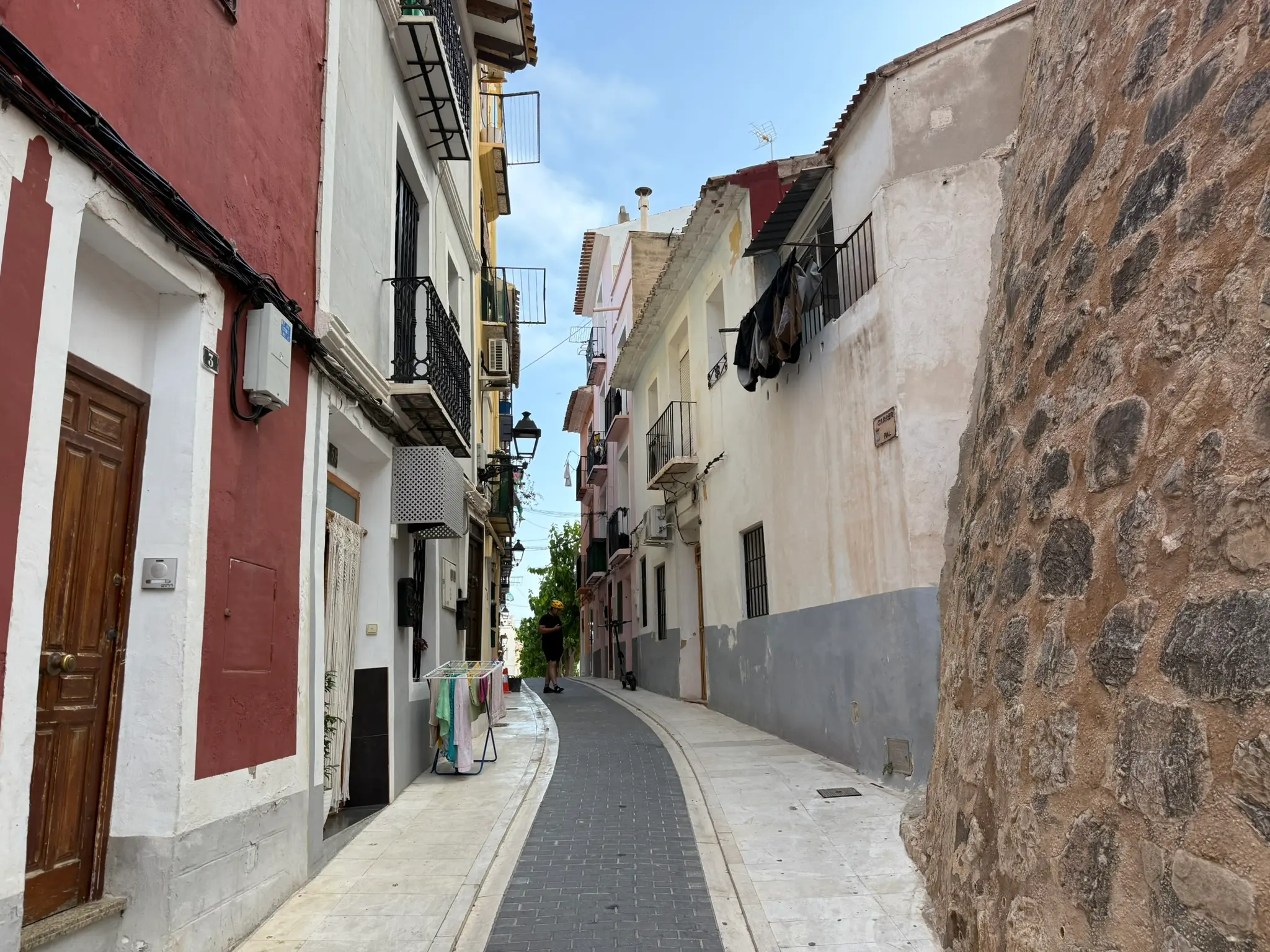
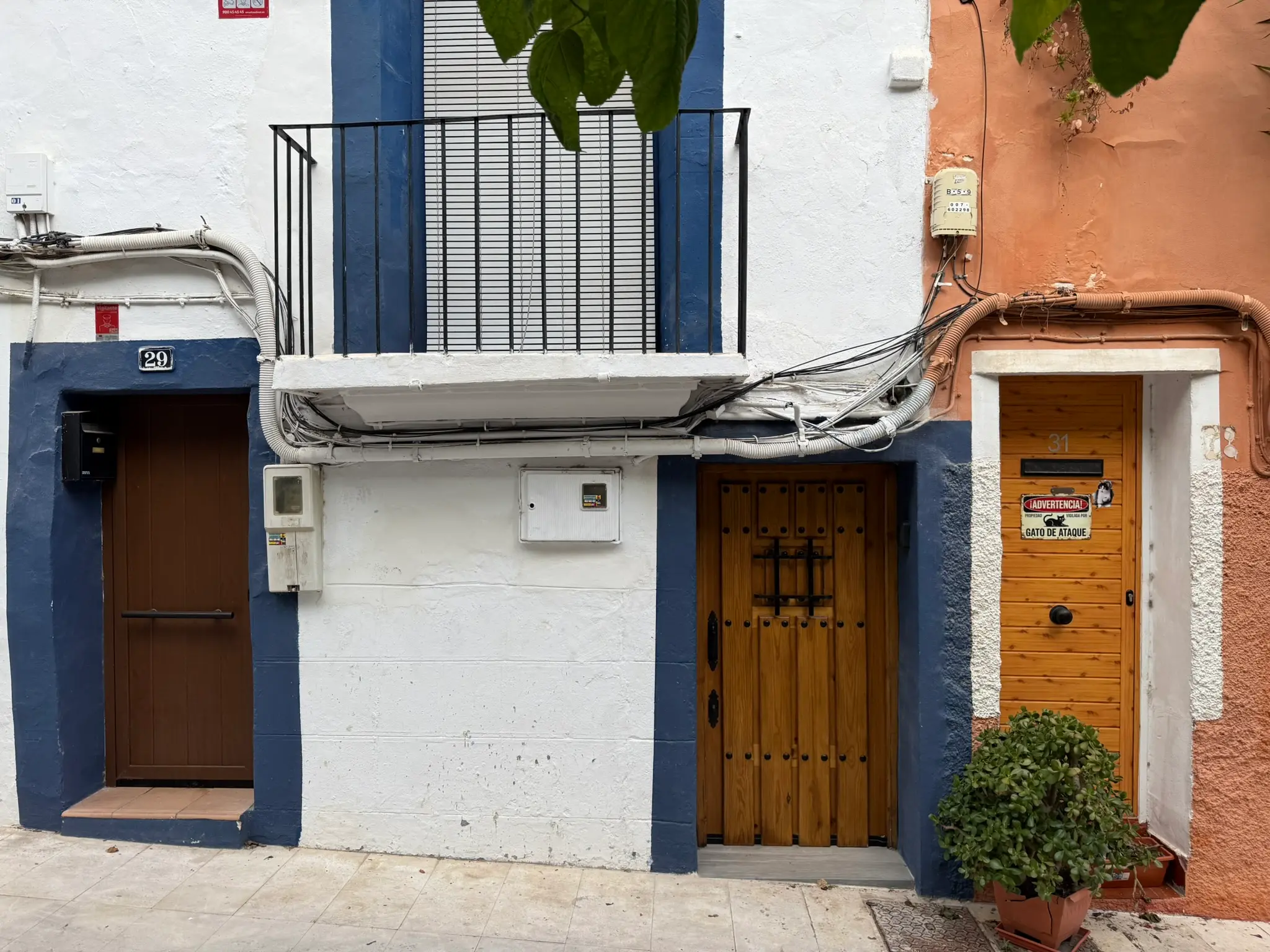
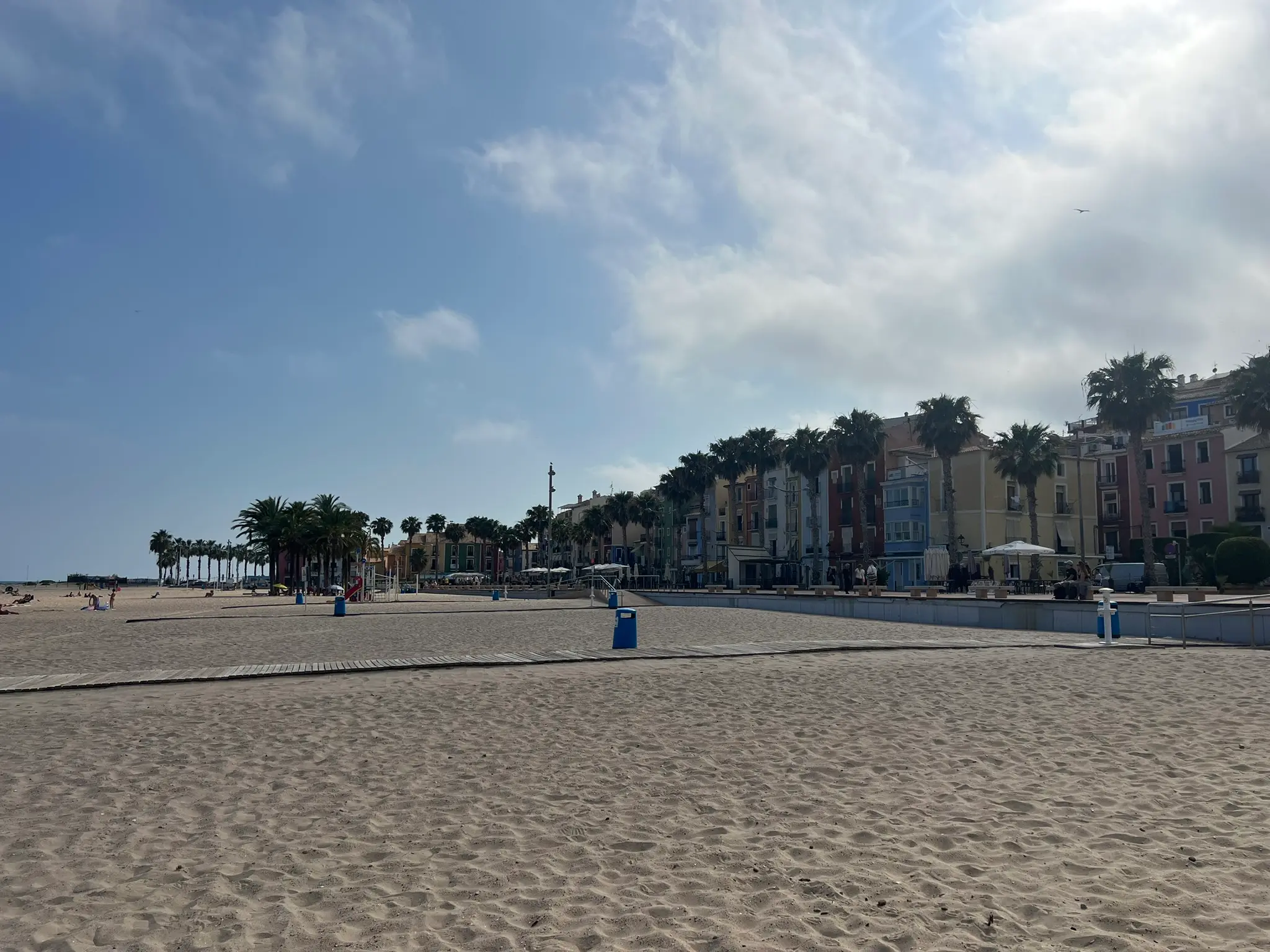
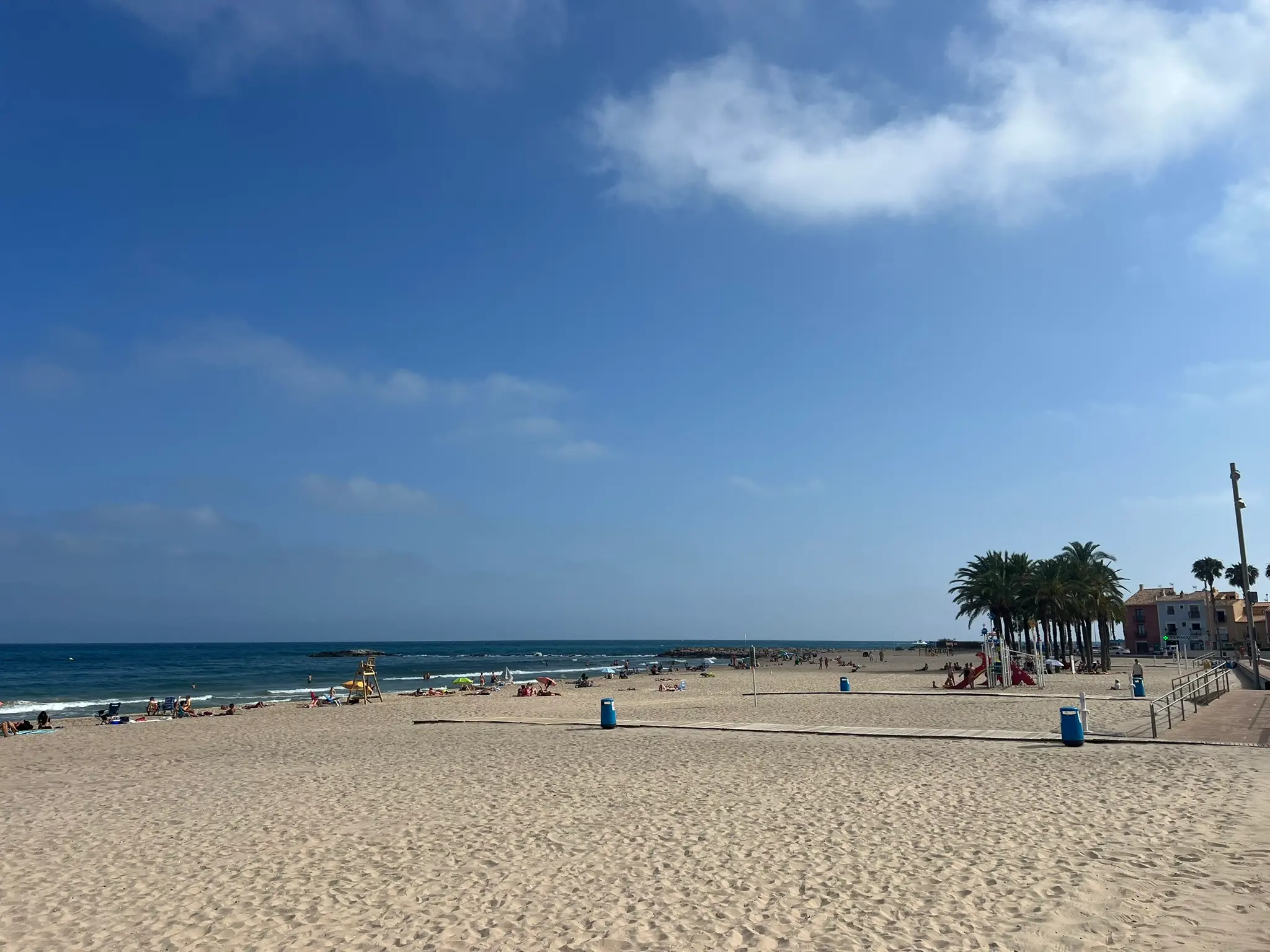
Villajoyosa Photo Gallery — Colourful Houses, Old Streets & the Beach
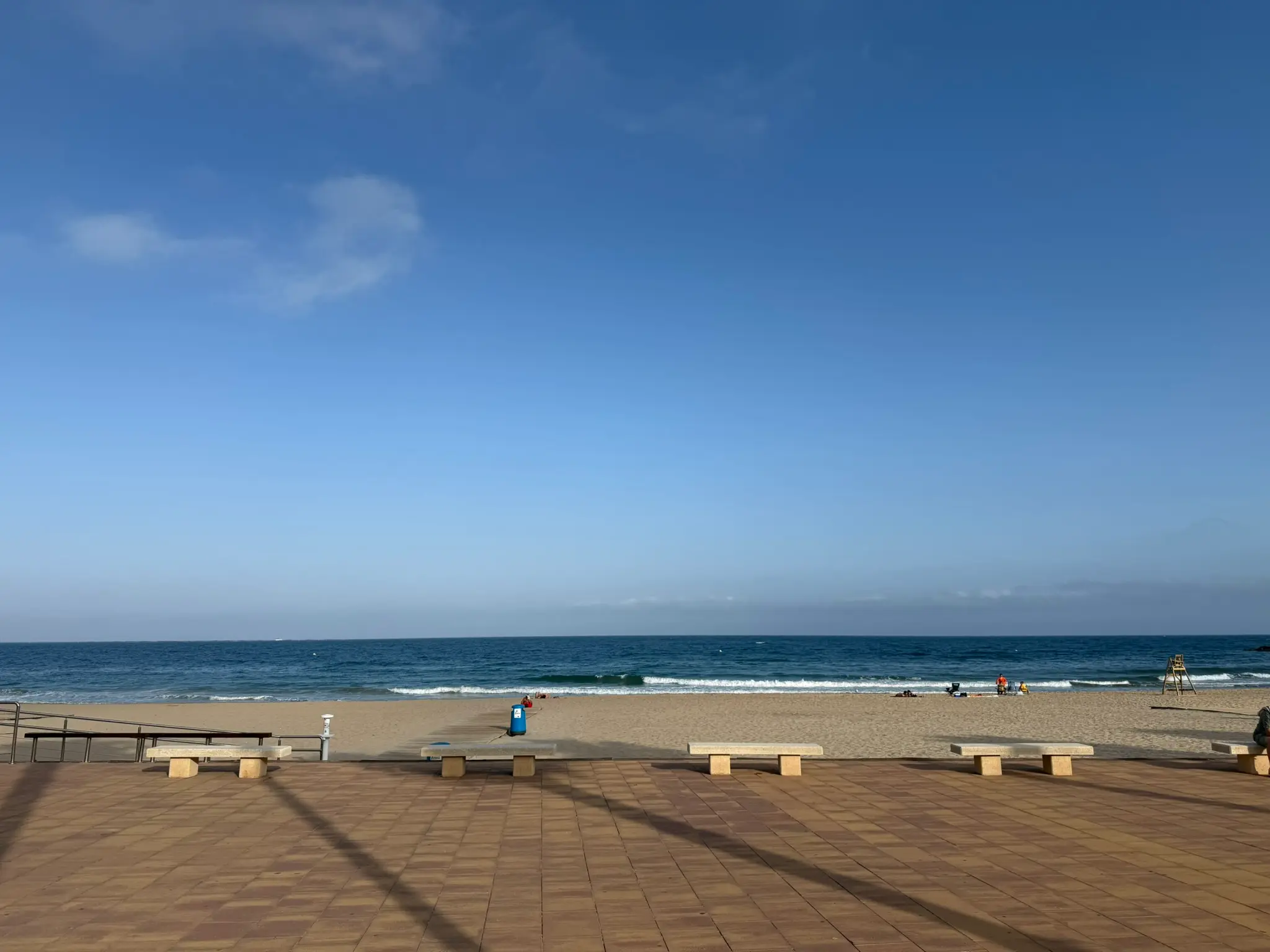
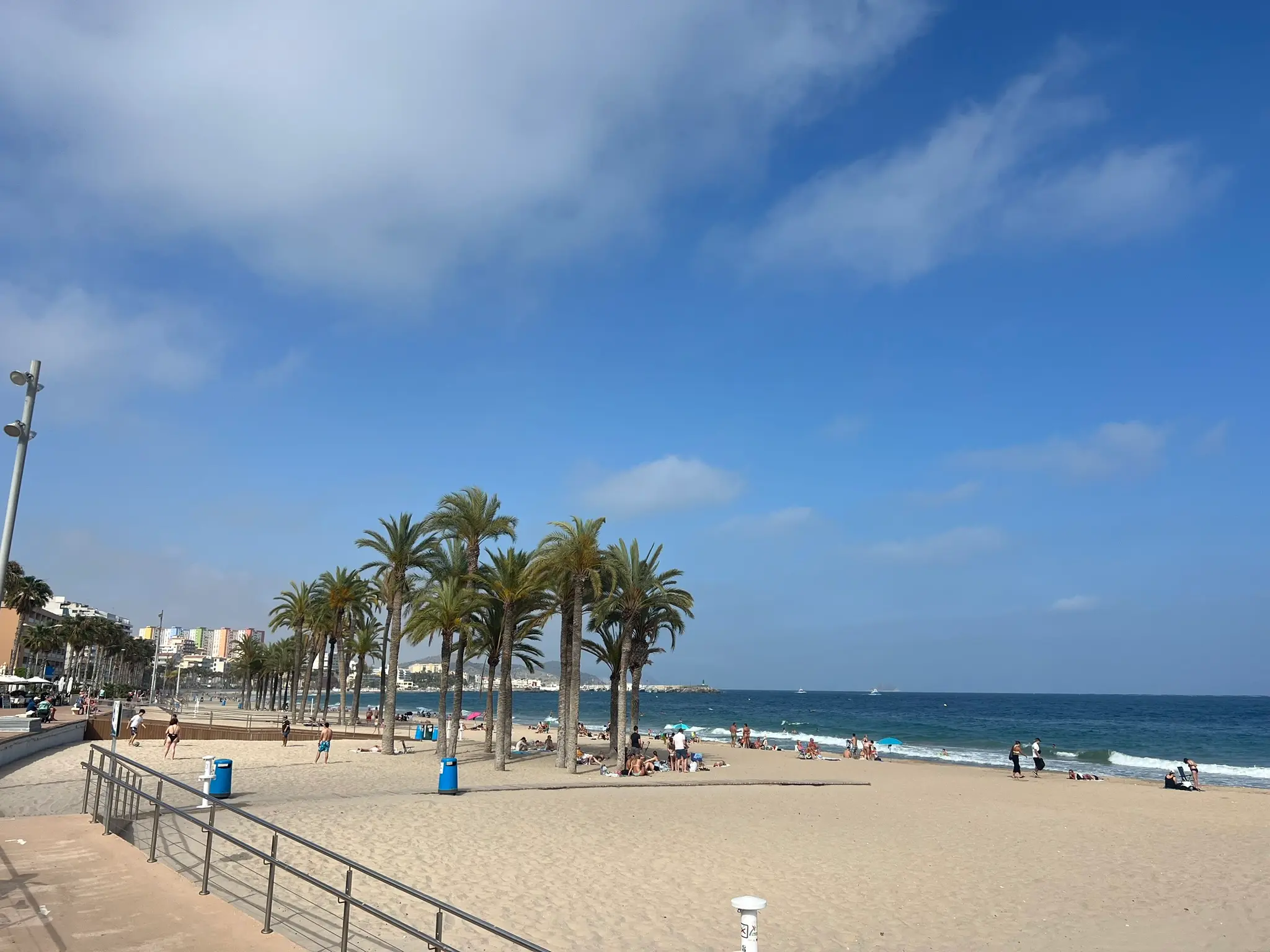
Real photos, taken on visits. No filters — just what it actually looks like.
Property near here
A few homes for sale in Villajoyosa, along the seafront and old town.
See Apartments in Villajoyosa
Have Questions About This Area?
Whether you're planning a visit or thinking about buying property nearby, I'm happy to help — just get in touch.
Contact PetroVillajoyosa is One Stop. The Costa Blanca Has Plenty More.
Keep exploring:
Best Beaches in Alicante & Costa Blanca
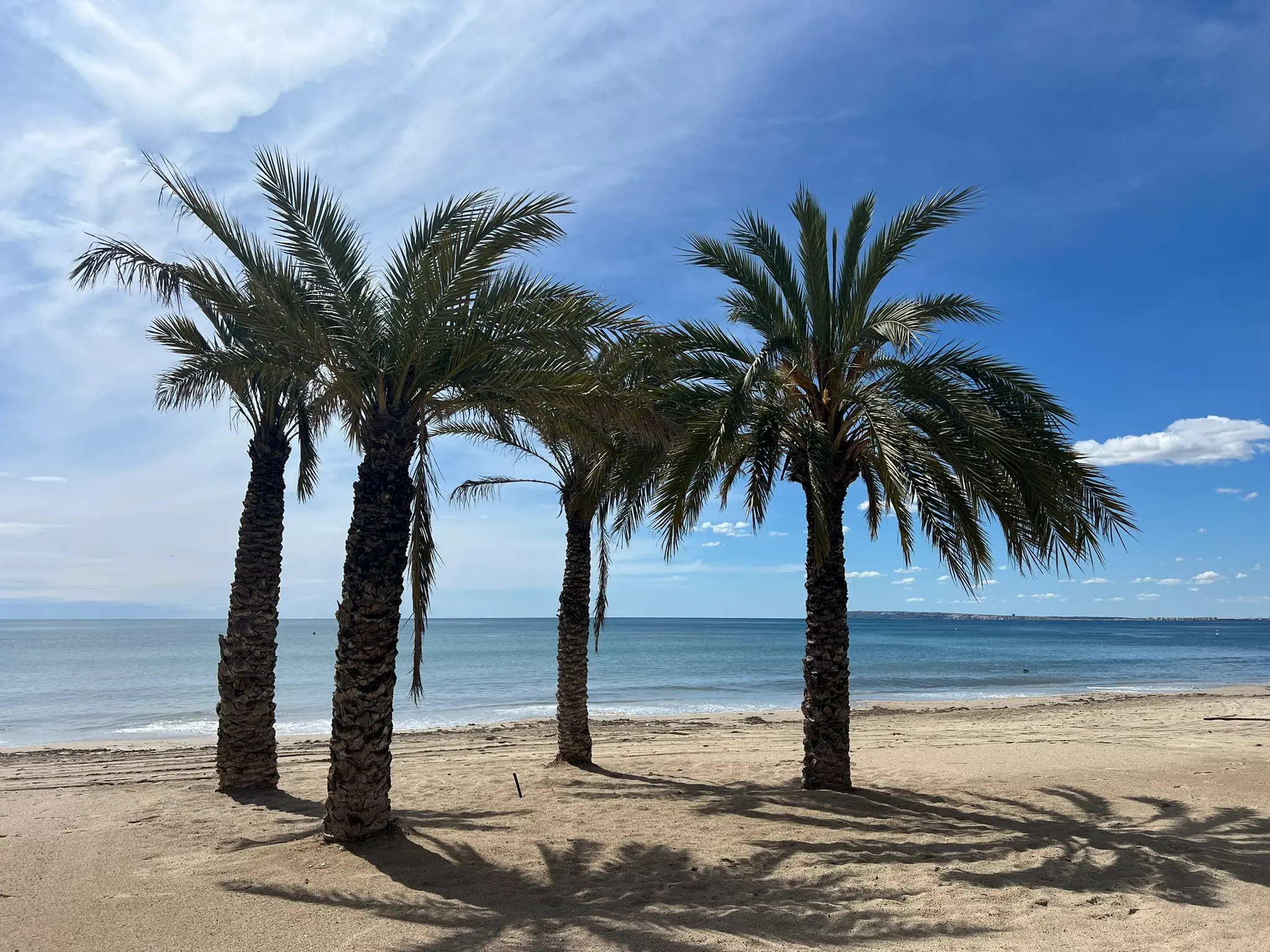
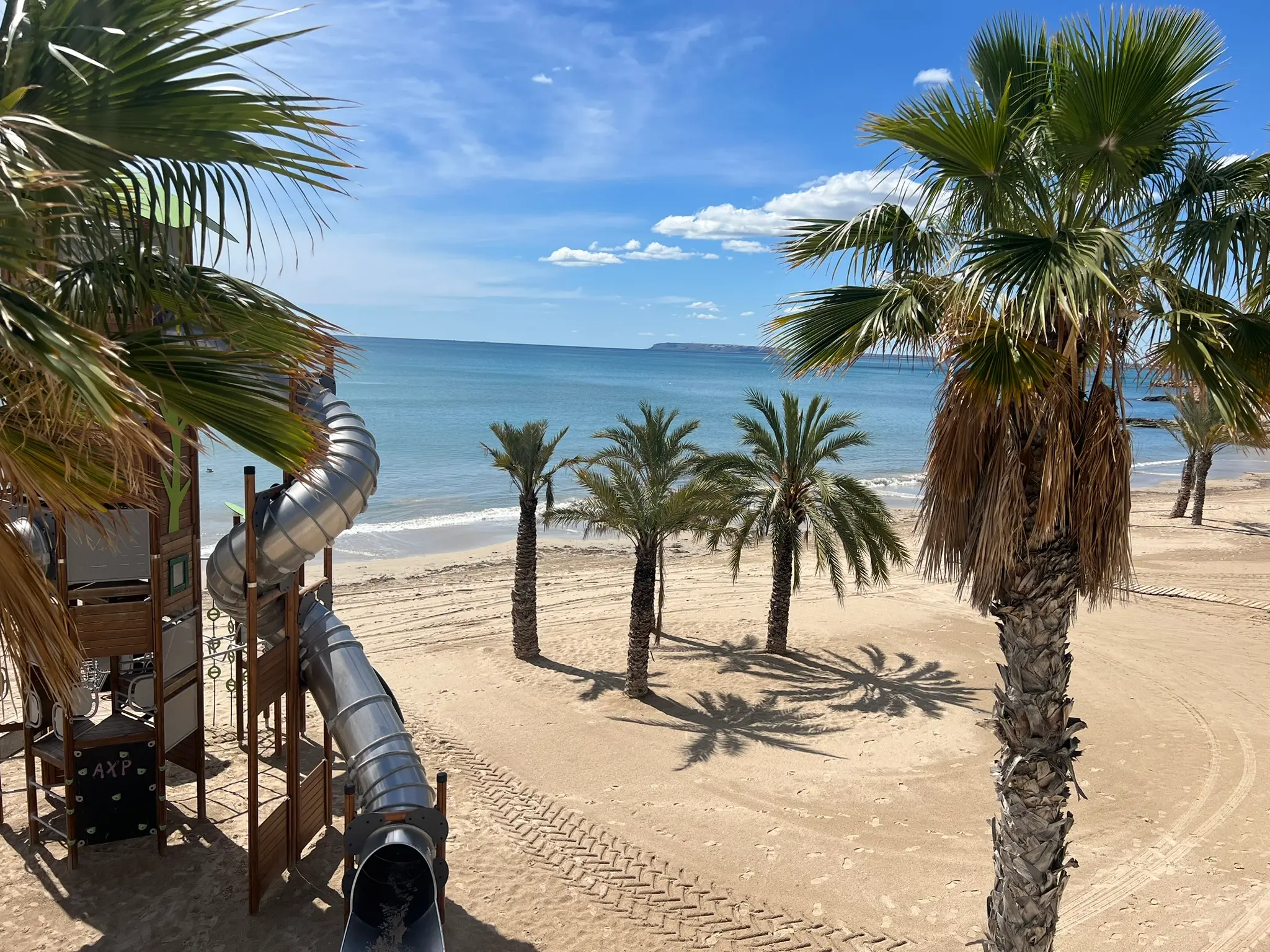
From hidden turquoise coves to vast golden sands — find your perfect beach on the Costa Blanca.
Explore Beaches→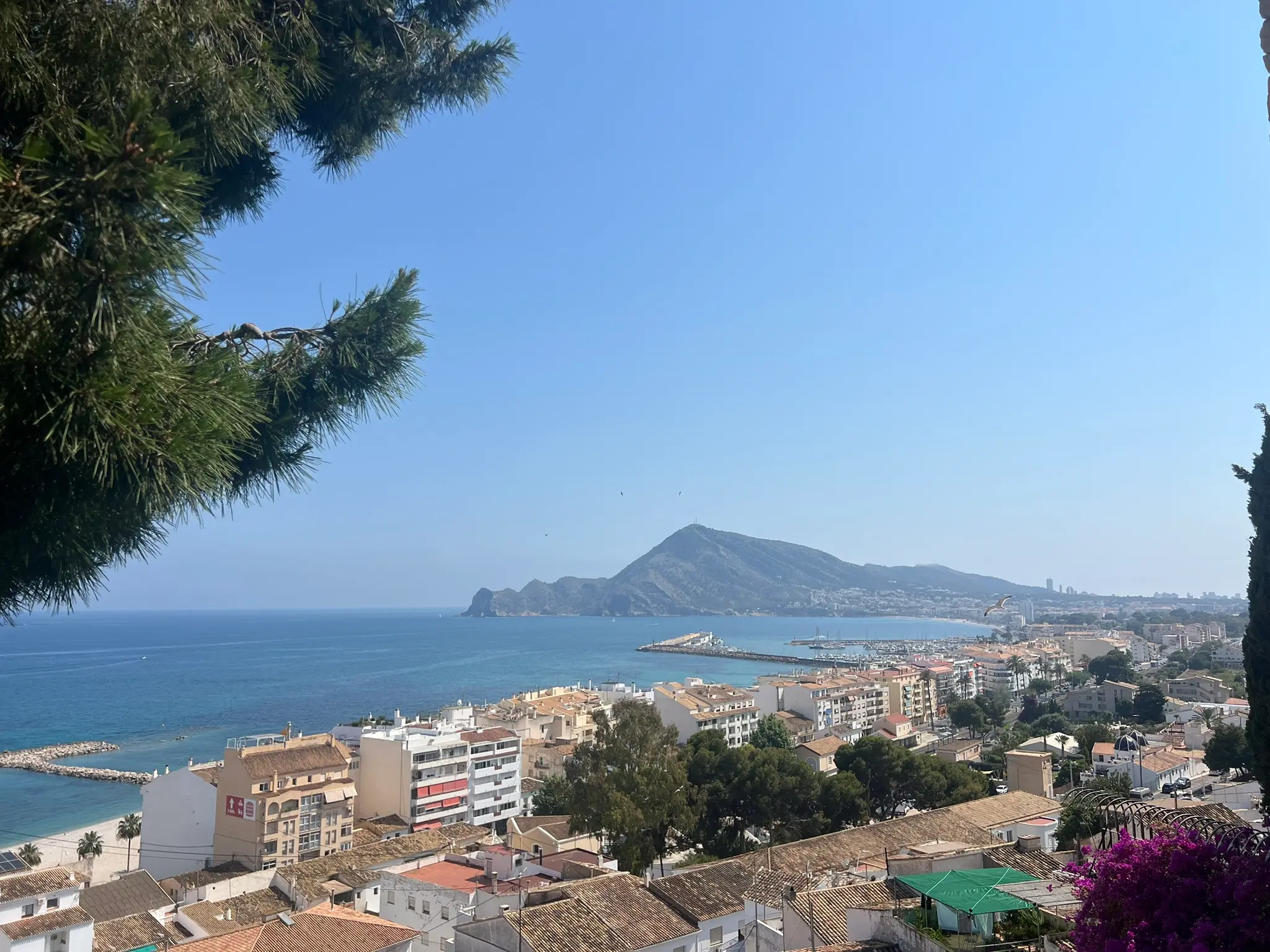
Day Trips from Alicante
The Costa Blanca doesn't end at the city limits. Castles, coves, mountain towns — all within an hour.
Explore Day Trips→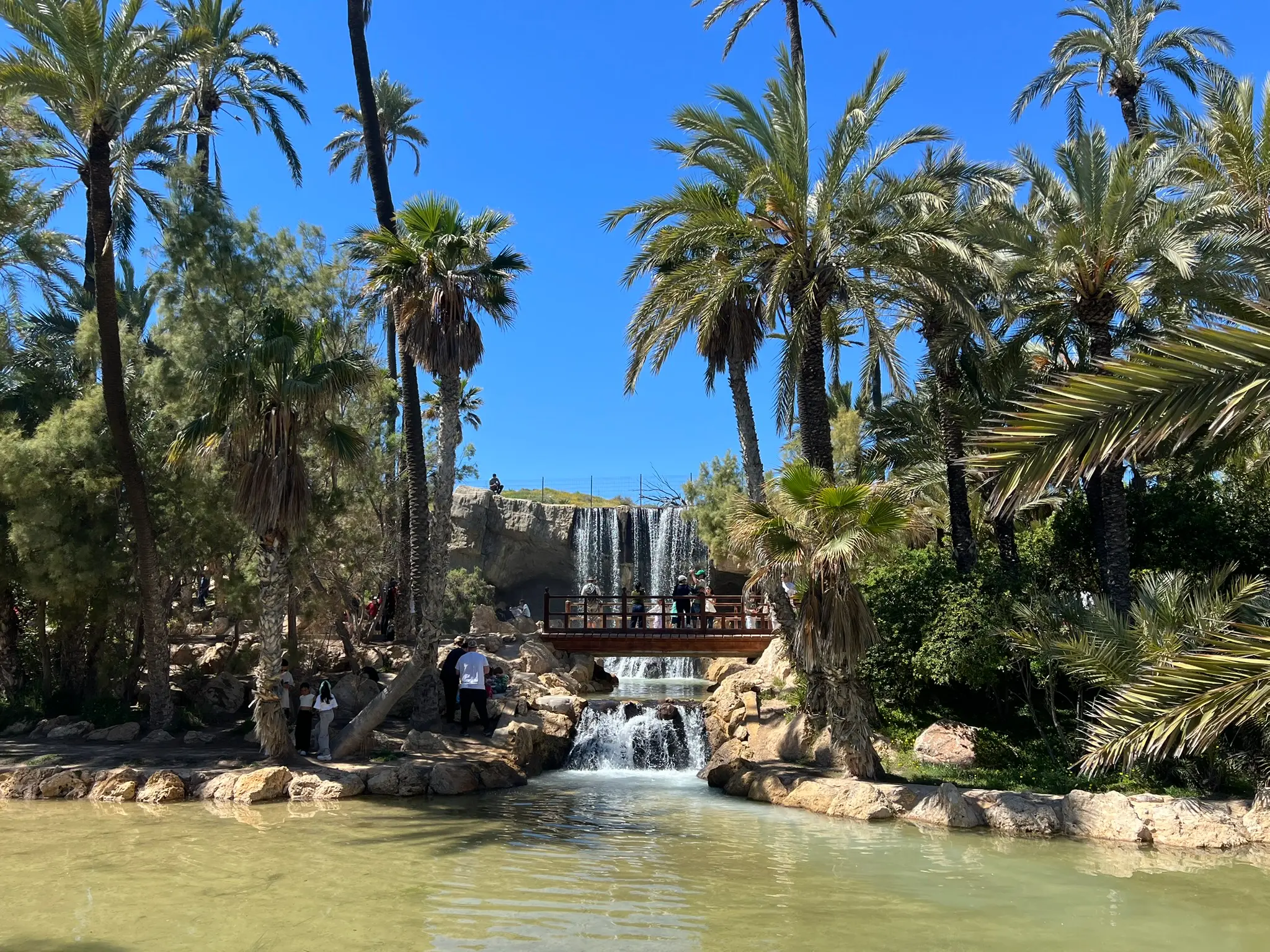
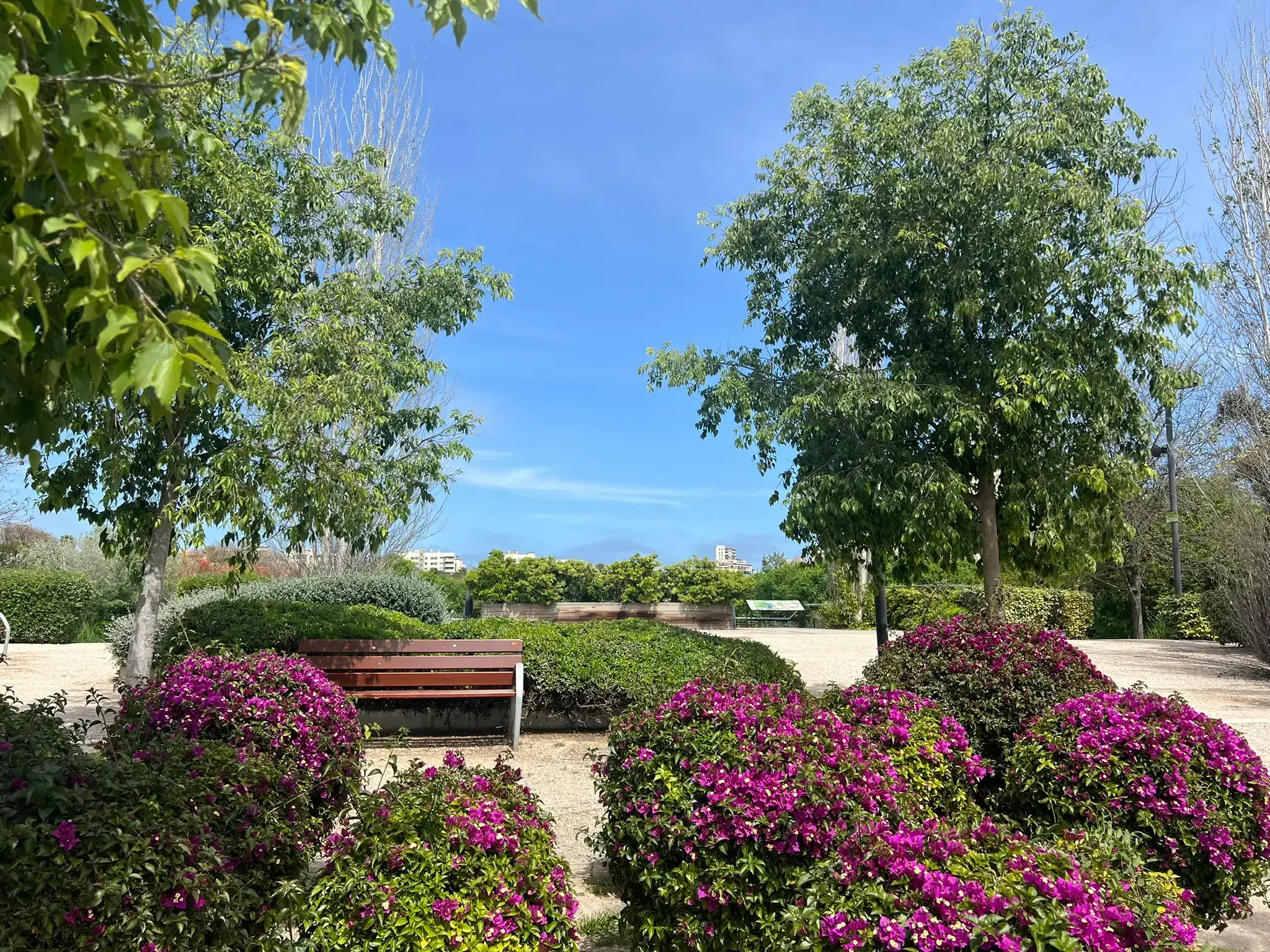
Parks & Nature in Alicante
The green spaces, coastal paths, and quiet corners of Alicante that most visitors walk straight past.
See all parks & nature→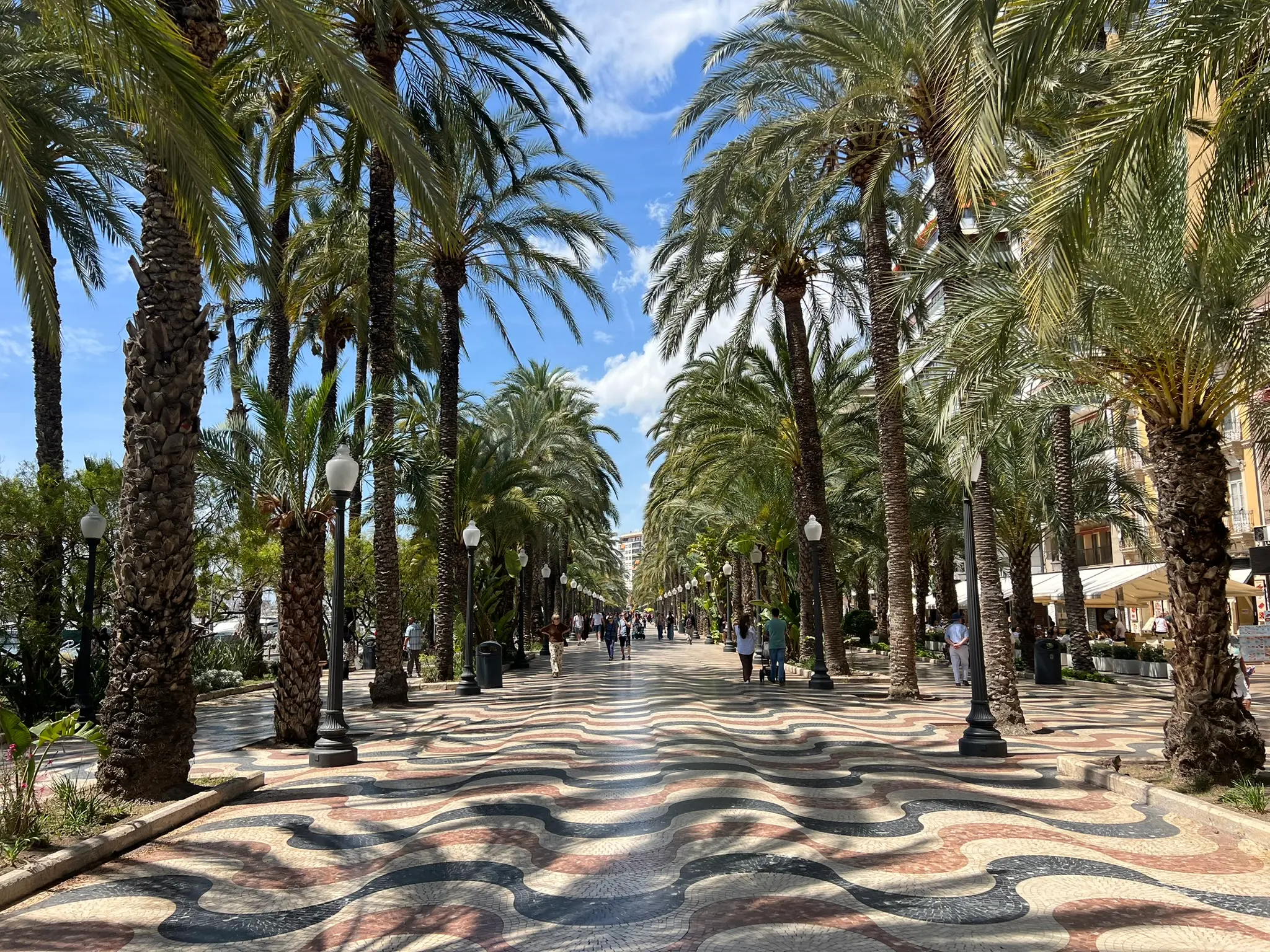
Journal
First-hand notes on living, eating, and getting around Alicante — written by someone who actually lives here.
Read the journal→Stop Guessing. Start Planning.
A small selection of tools that make Costa Blanca travel easier. Some links are affiliate — meaning I earn a small commission if you book, at no extra cost to you. I only include services I'd genuinely recommend.
Where to Stay in Alicante
Hotels, apartments, and villas across the Costa Blanca. Summer fills up fast — the good spots go first.
Book NowFlights to Alicante
Alicante Airport (ALC) connects to most major European cities year-round. Compare and lock in the best price before it moves.
Search FlightsRent a Car in Alicante
The Costa Blanca stretches 200km. A rental car is the only way to actually see it — buses don't go where the good stuff is.
Rent a CarTours & Excursions in Alicante
Day trips, boat tours, and guided excursions across the Costa Blanca — handpicked and worth your time.
Explore ToursHi, I'm Petro, the face behind Alicante Compass.
This guide is free and always will be. Running it takes time, fuel, and a lot of coffee — researching places that don't show up on Google Maps, verifying details that other sites get wrong, and writing guides I'd actually want to read myself. If Alicante Compass has saved you time, money, or given you one moment worth remembering — I'd be grateful for your support. Every contribution keeps me on the road and the content free for everyone.
Fuel the Compass