Alicante Compass
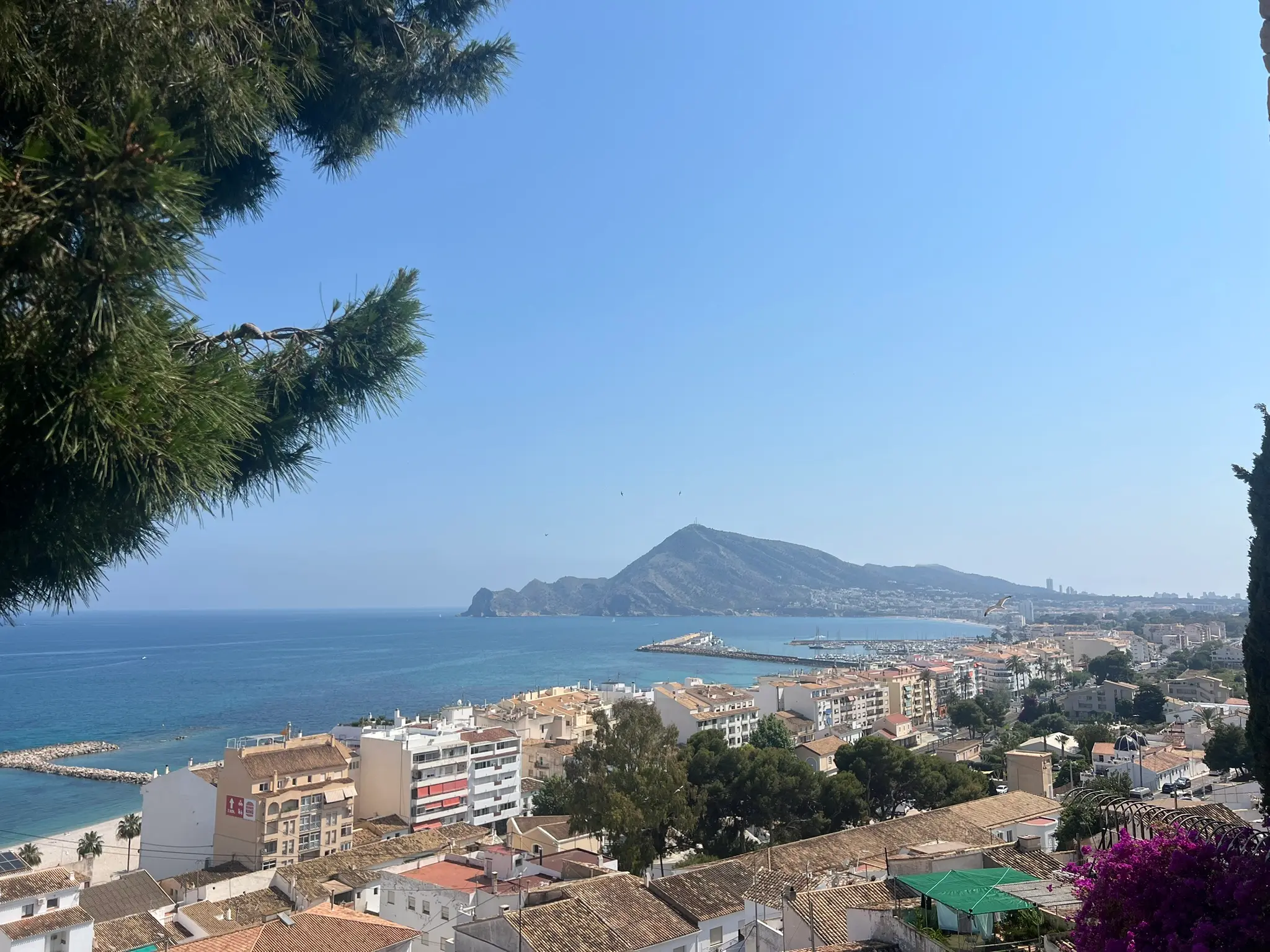
Altea Old Town, Spain.
45 minutes from Alicante. A completely different world.
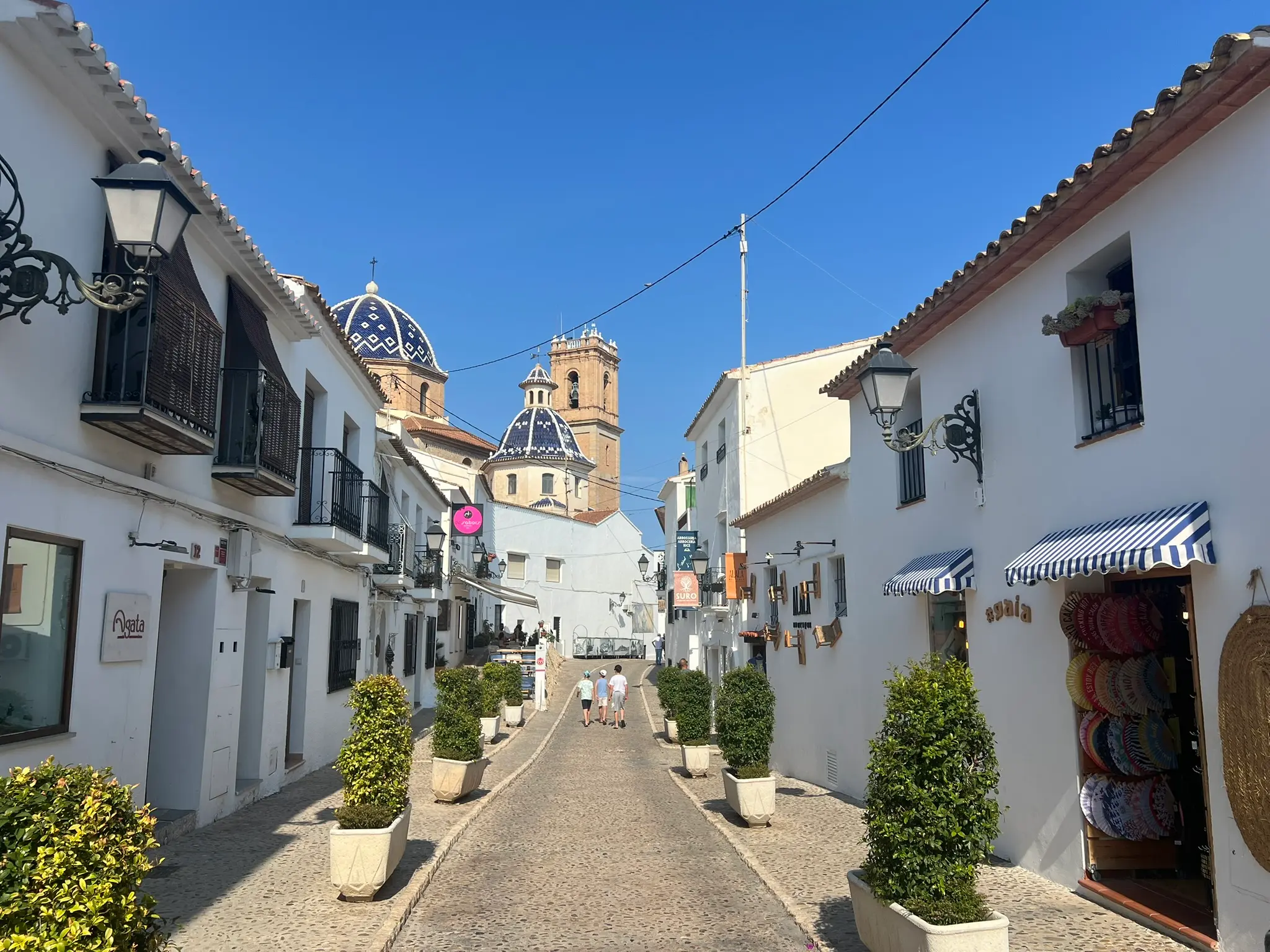
Altea is what you drive to when Alicante starts to feel familiar.
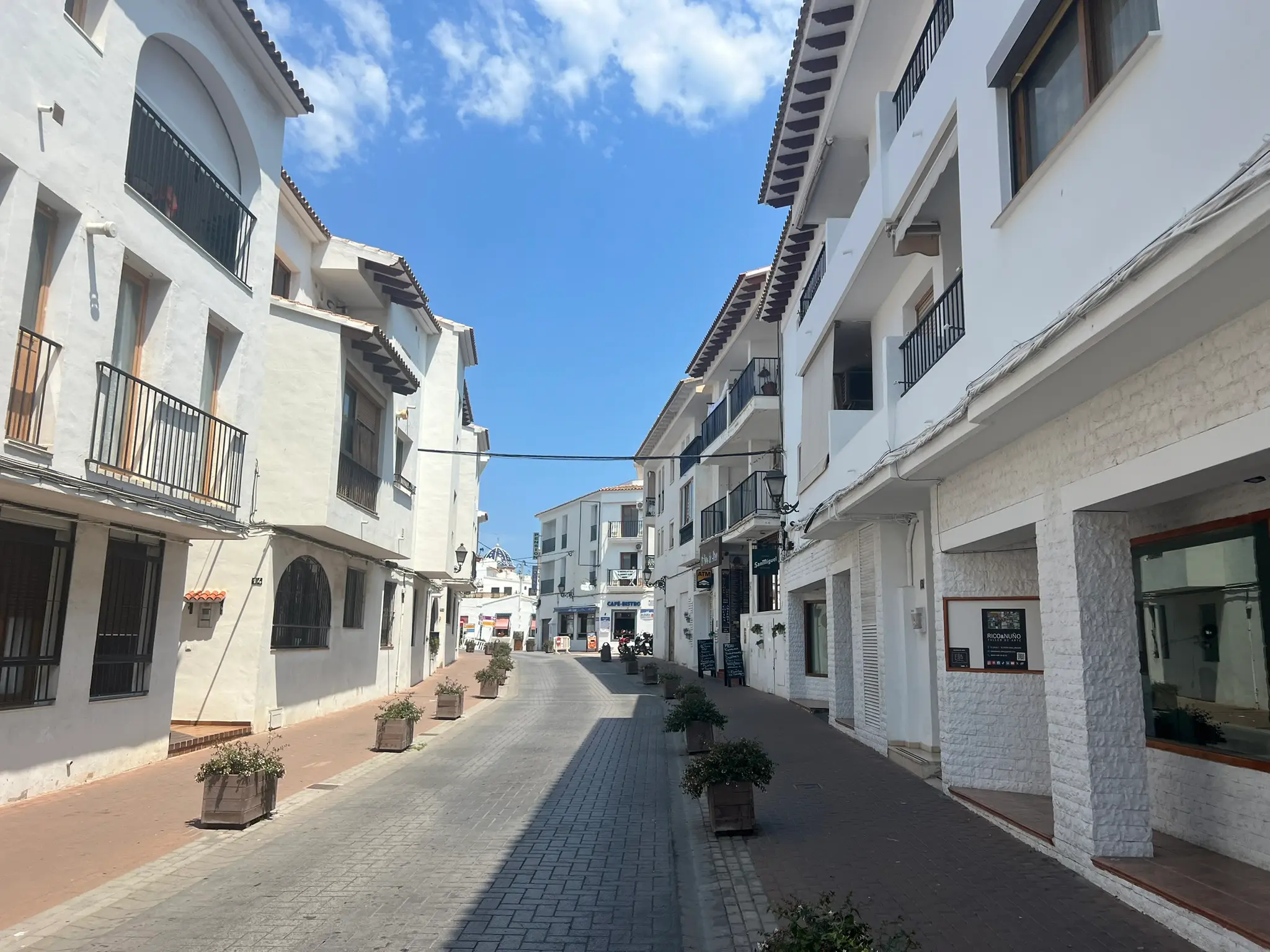
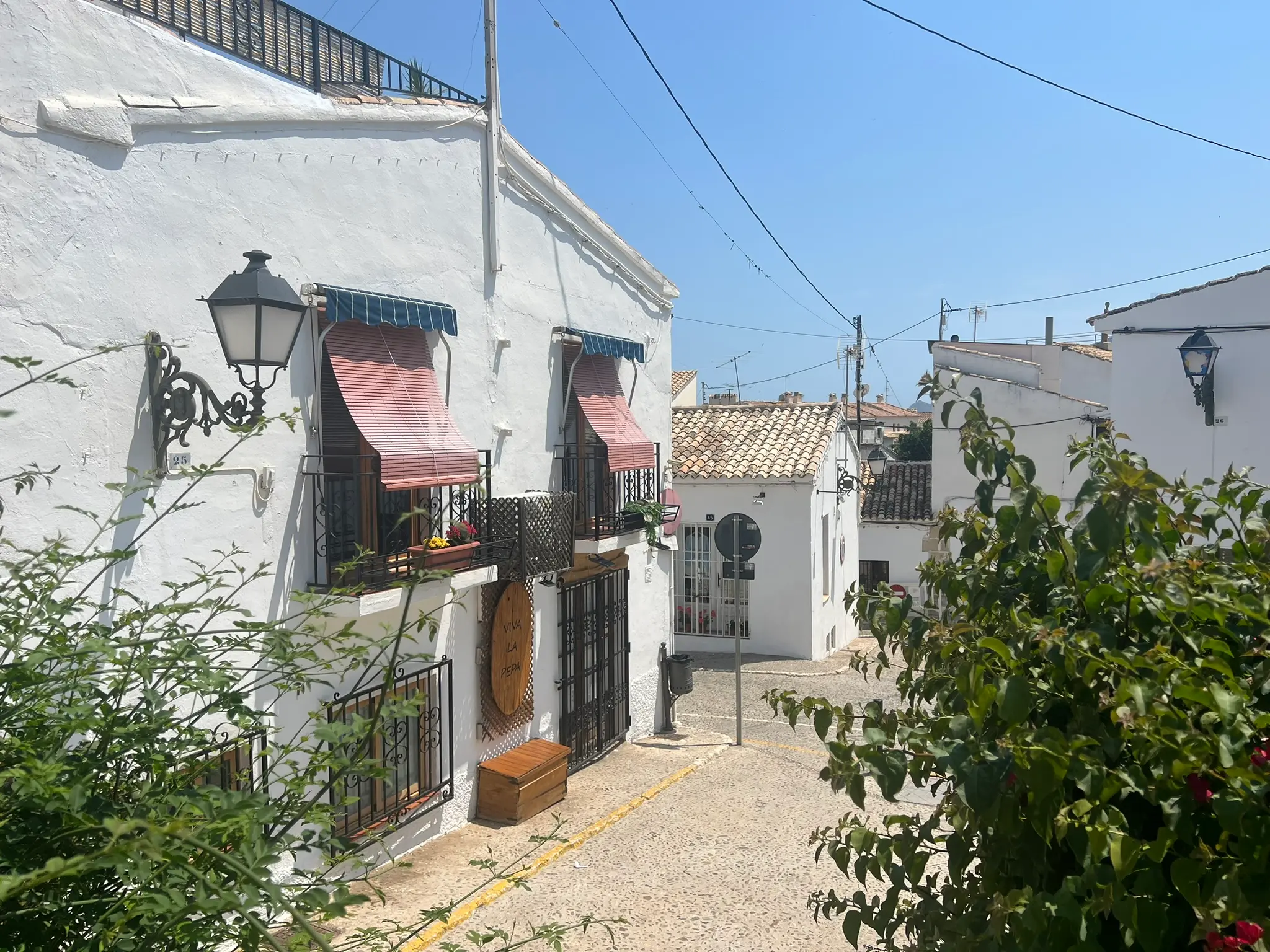
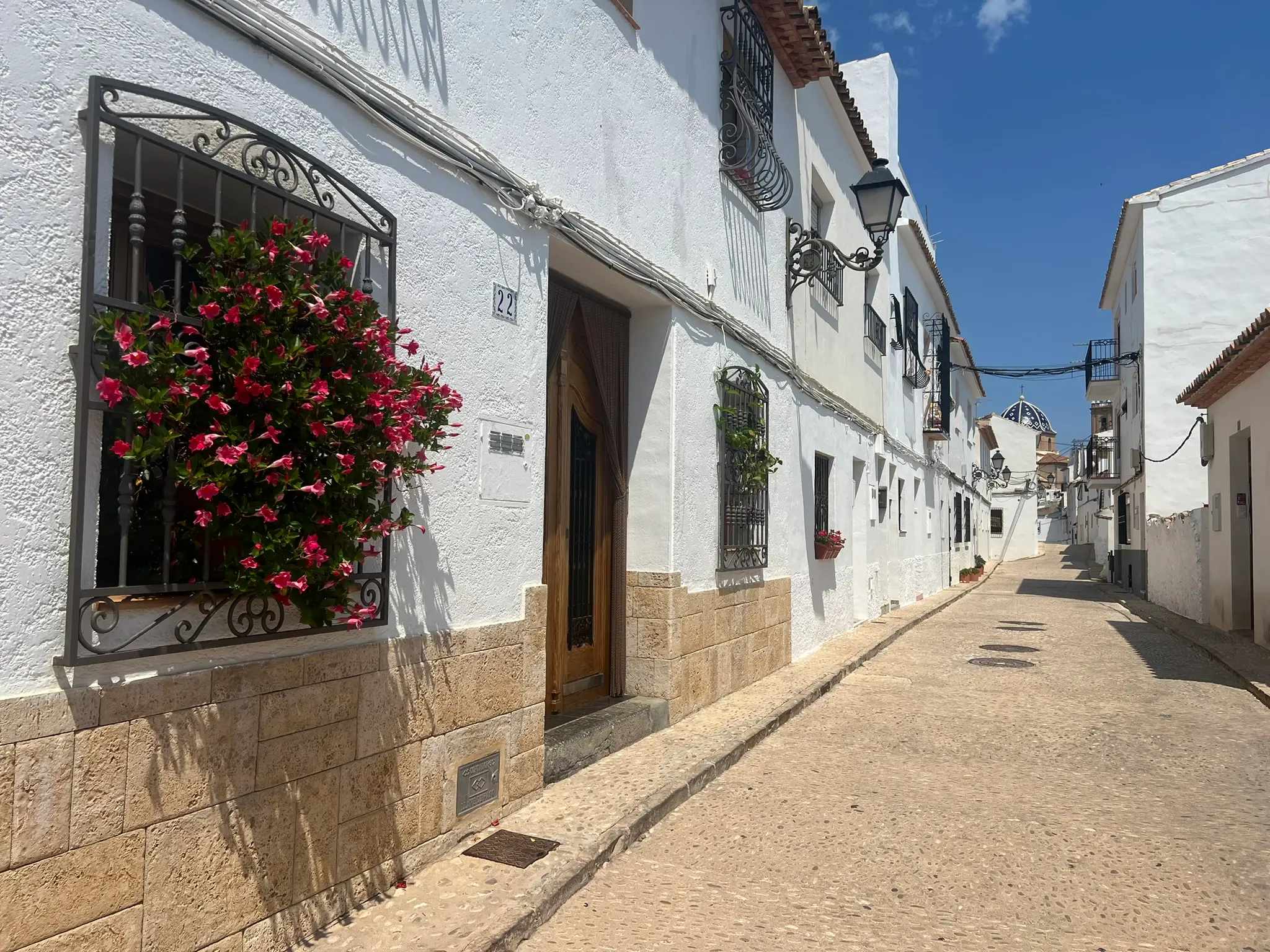
There's no real alternative to it on the Costa Blanca — nothing that gives you quite the same combination of narrow white streets, rooftop terraces, and views over the Mediterranean that genuinely make you stop walking. If you're looking for a place to photograph, this is it. Every corner of the old town works.
Have lunch or dinner on one of the rooftop restaurant terraces. The food is secondary to the view — though the food is usually good too.
A Town Built to Last — and to Confuse Invaders
Altea's origins go back further than the white walls suggest. The settlement dates to the first millennium BC, with Roman and Moorish remains found in the area. The name itself comes from the Moorish period — Althaya, meaning “health to all.”
The Moors shaped the town in ways that are still visible today. The maze-like layout of the old town streets was deliberate — designed to disorient anyone trying to attack. It works just as well on tourists with no sense of direction.
In 1244 the town was conquered by King Jaime I of Aragon and granted official town status in 1279. By the 18th century Altea had grown into a prosperous fishing and agricultural community of around 5,000 people. Two ancient stone arched gates from this period still stand — Portal Vell from the 17th century and Portal Nou from the 18th — and walking through either of them still feels like crossing into a different time.
The church of Nuestra Señora del Consuelo with its distinctive blue and white domes was built at the end of the 19th century, replacing an earlier 17th century structure. It's the defining silhouette of the town and visible from kilometres away.
From the 1960s onwards Altea became known as an artistic hub — painters, sculptors and writers drawn by the light and the landscape. That reputation has never really left. The Miguel Hernández University Faculty of Fine Arts is based here, and the galleries and workshops in the old town are not decorative — they're working studios.
Plan Your Visit to Altea Old Town
Everything you need to know about visiting. Distances, parking, crowds, restaurants and what to do — covered below.
How Far is Altea Old Town from Alicante?
Is There Public Transport from Alicante to Altea?
What is Altea Old Town Known For?
Is Altea Worth Visiting?
What is the Best Time to Visit Altea Old Town?
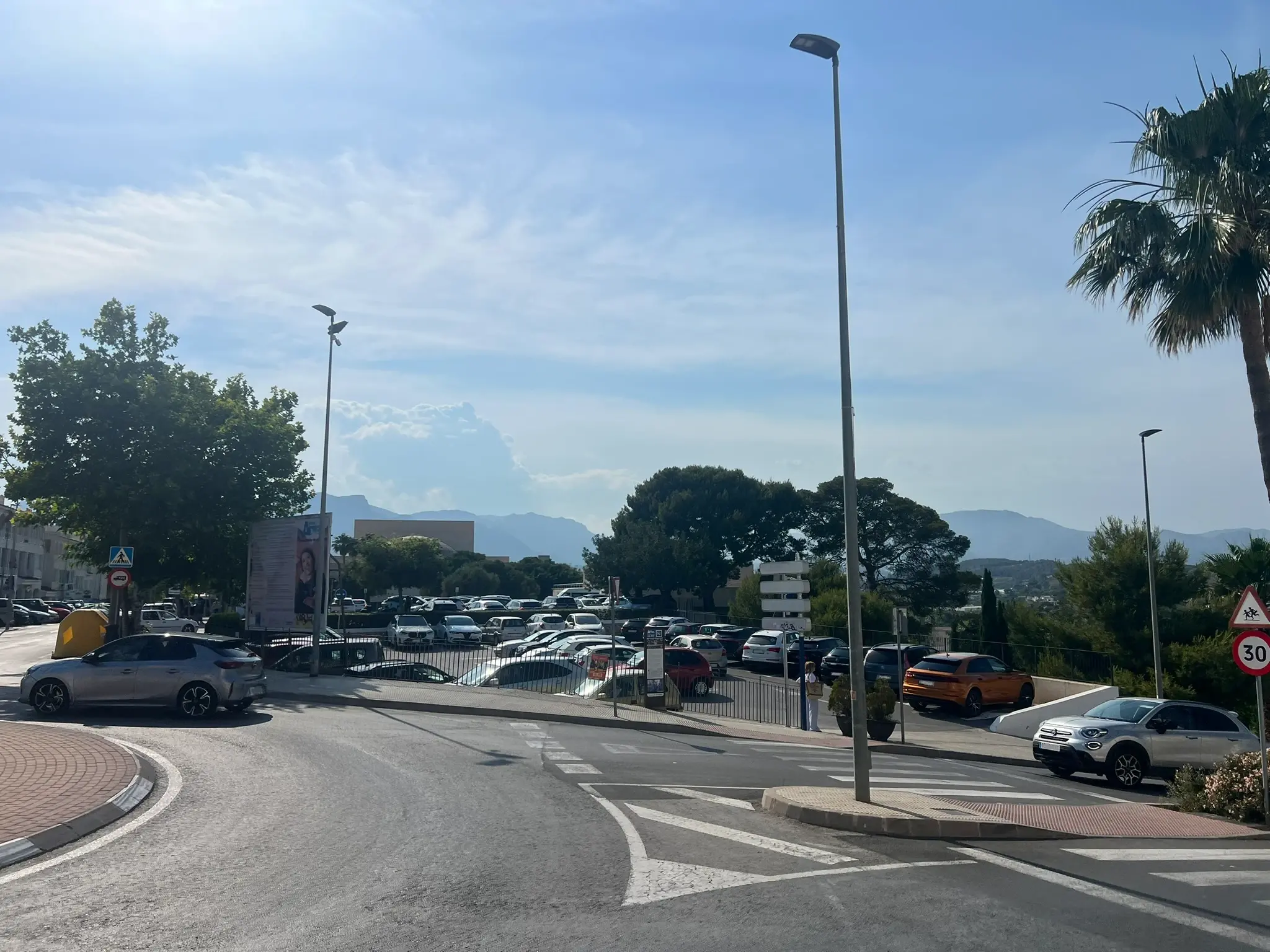
Is There Parking in Altea Old Town?
What Can You Do in Altea Old Town?
Are There Good Restaurants in Altea Old Town?
Is Altea Old Town Crowded?
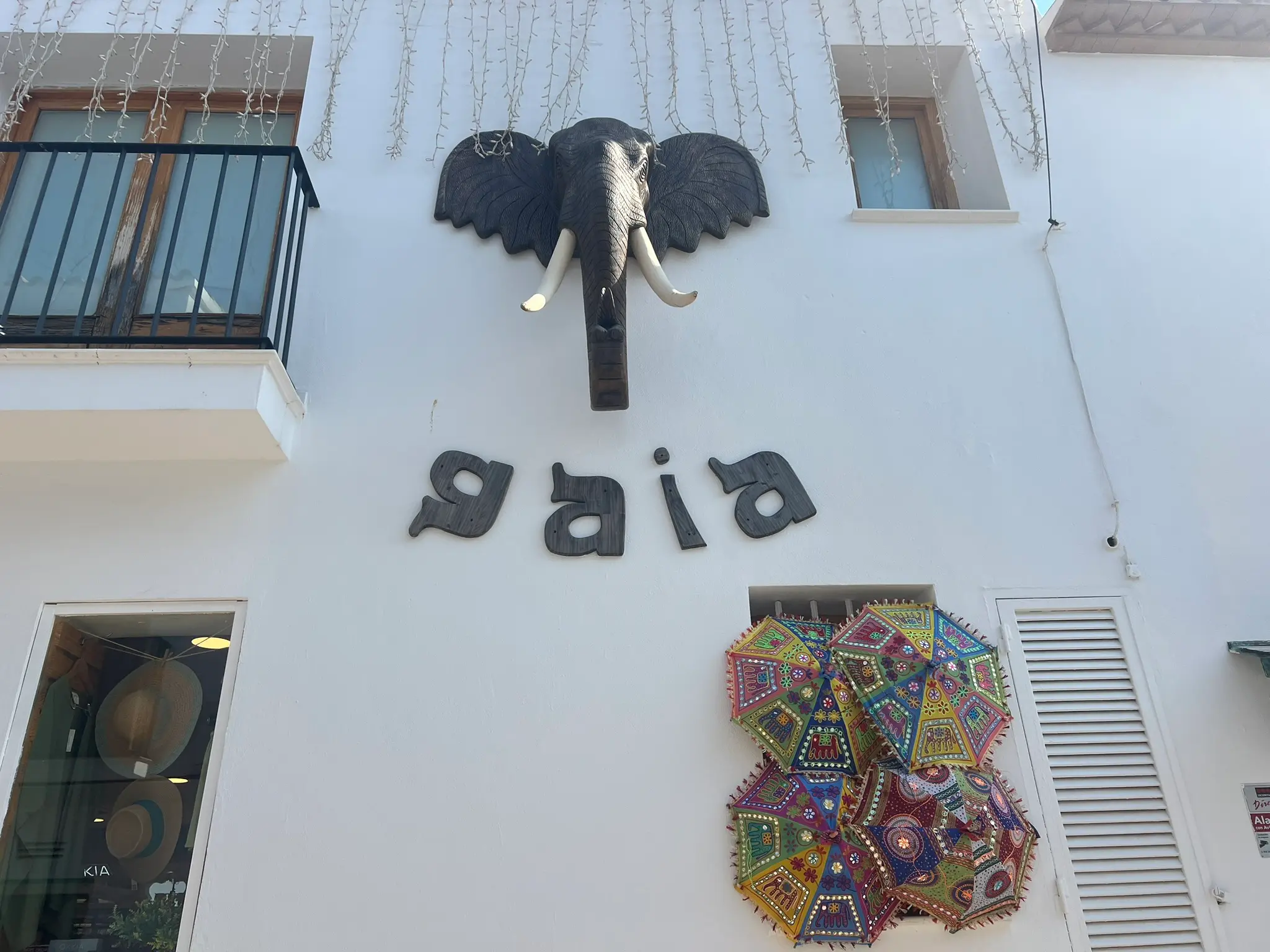
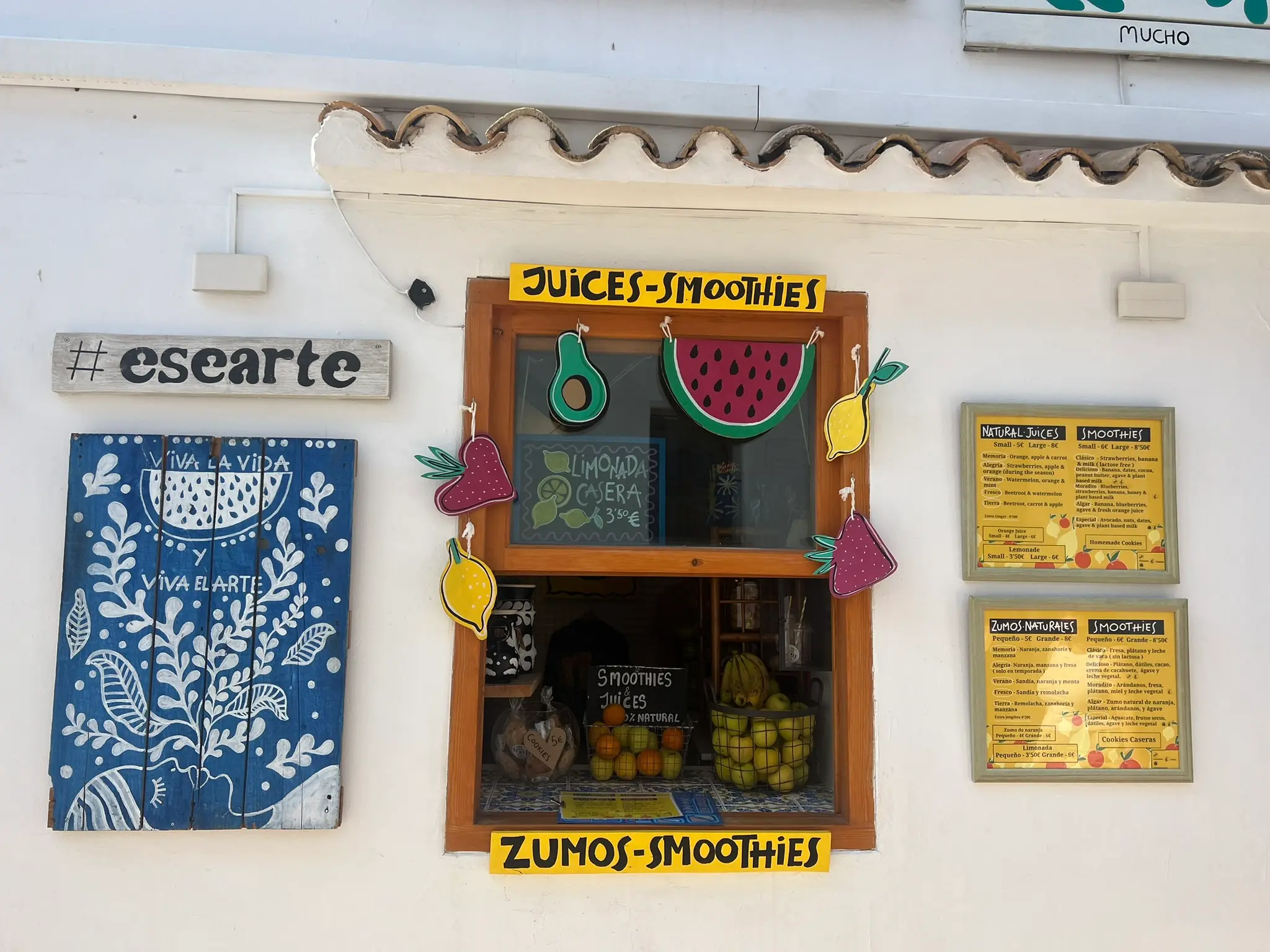
Altea Old Town — Streets, Views & Atmosphere
Real photos, taken on visits. No filters — just what it actually looks like.
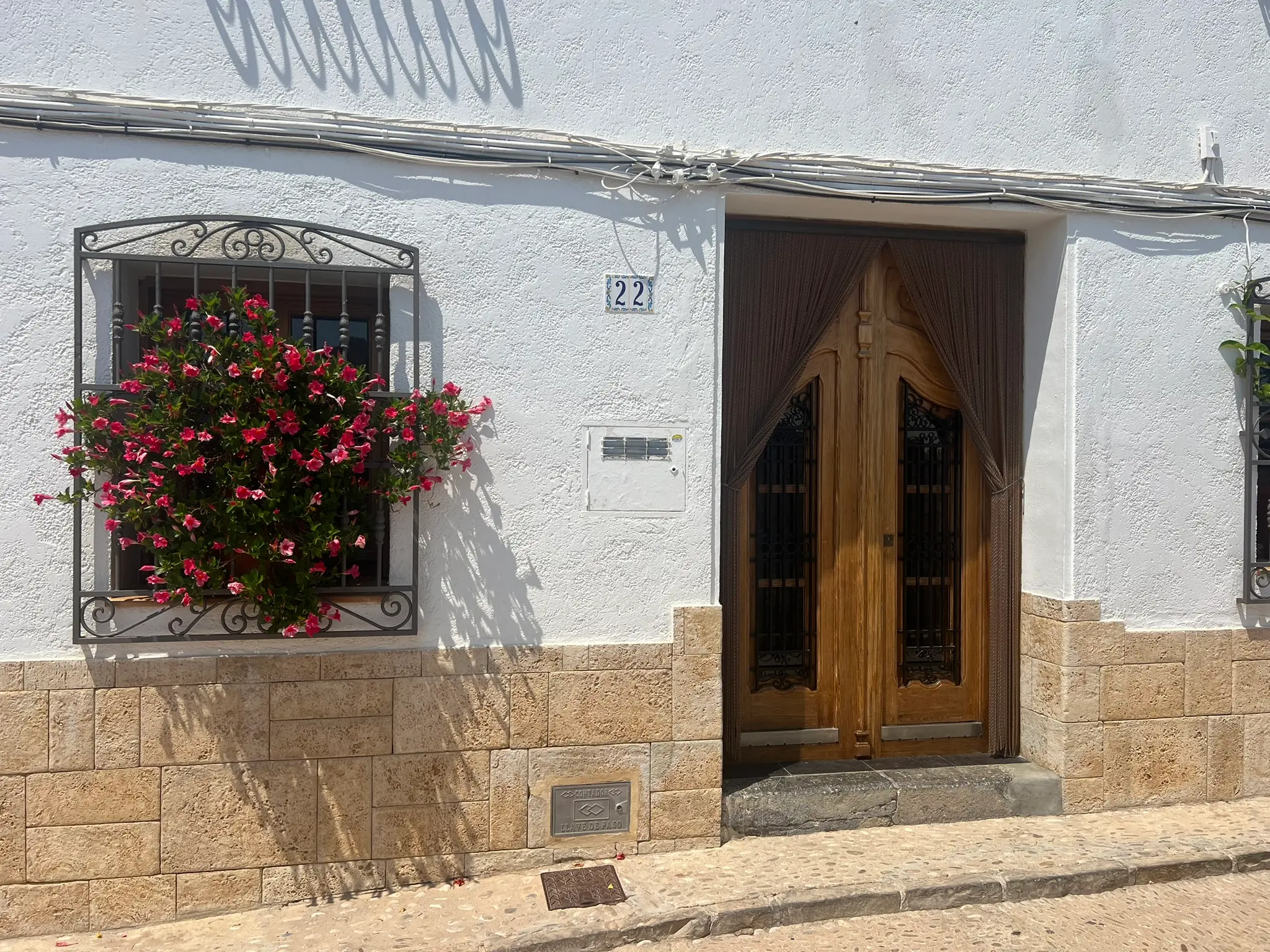
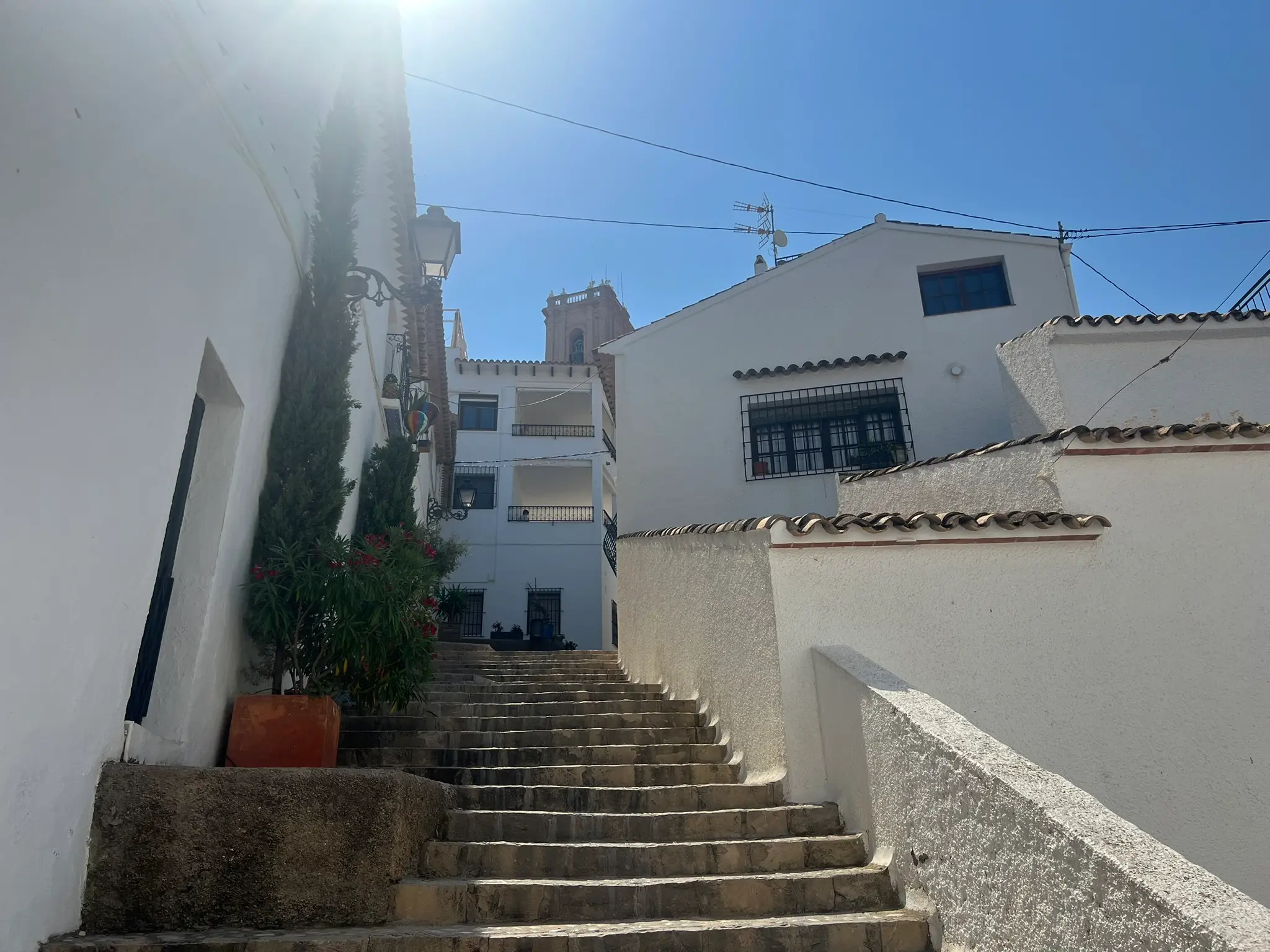
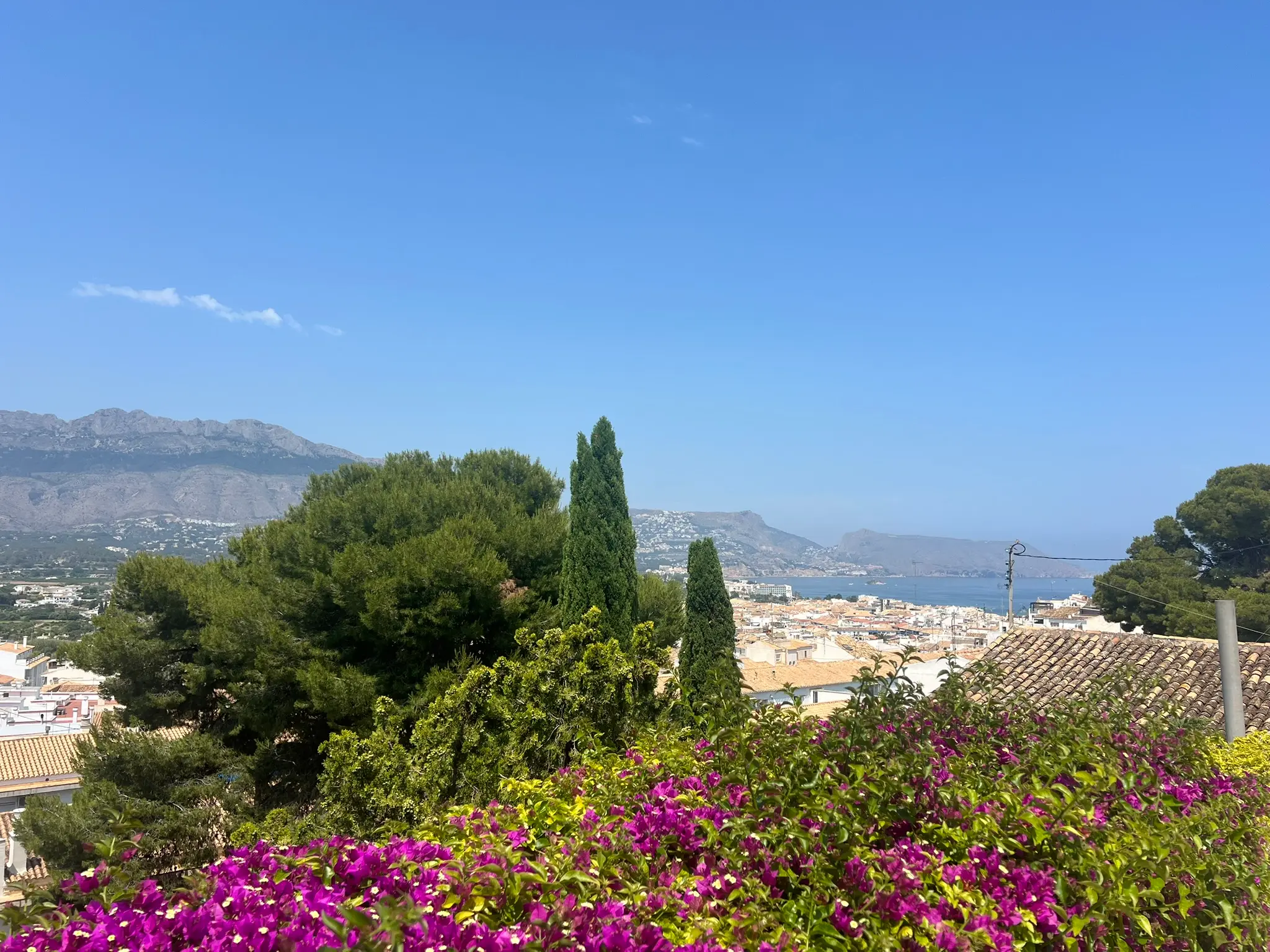
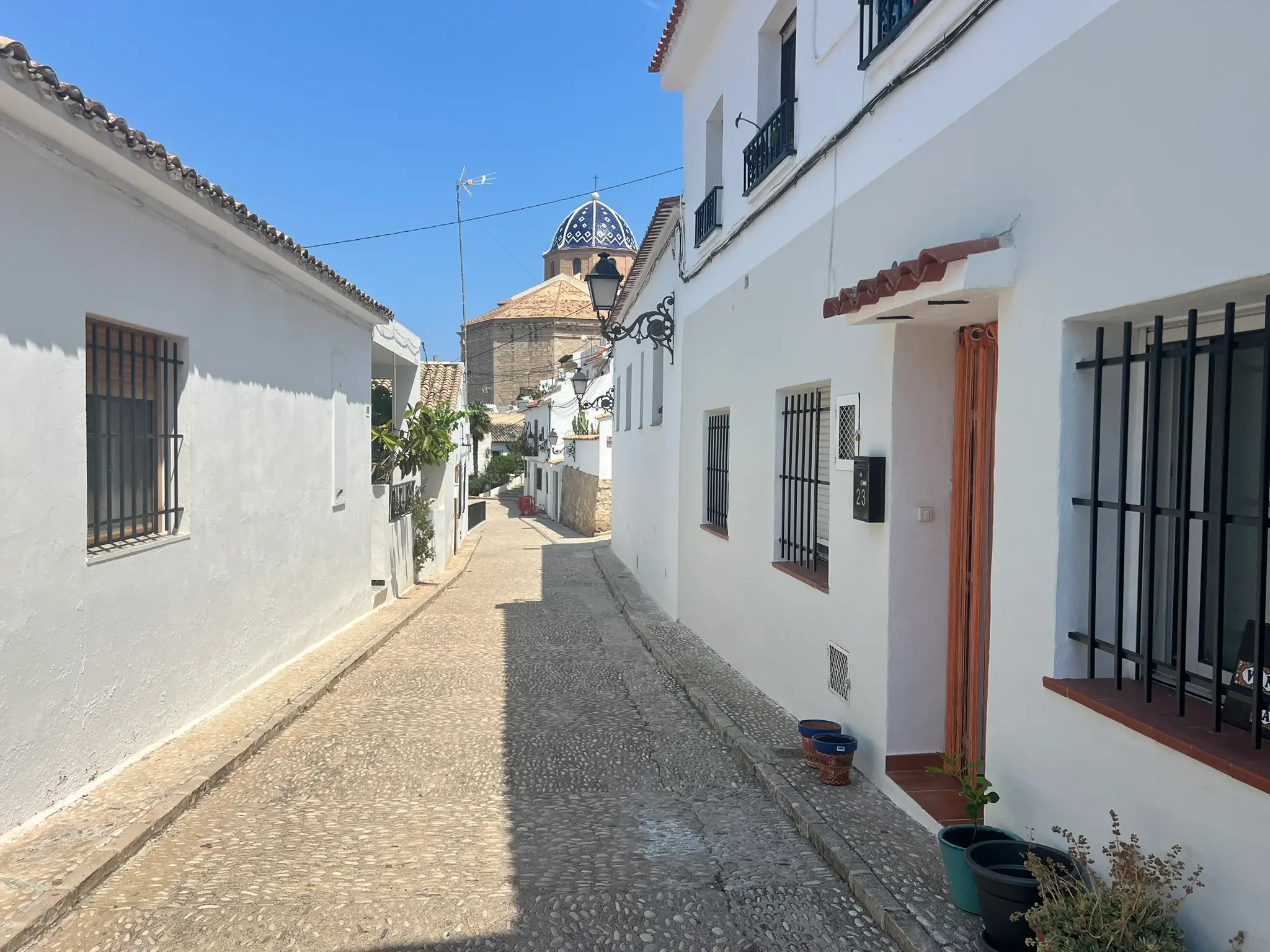
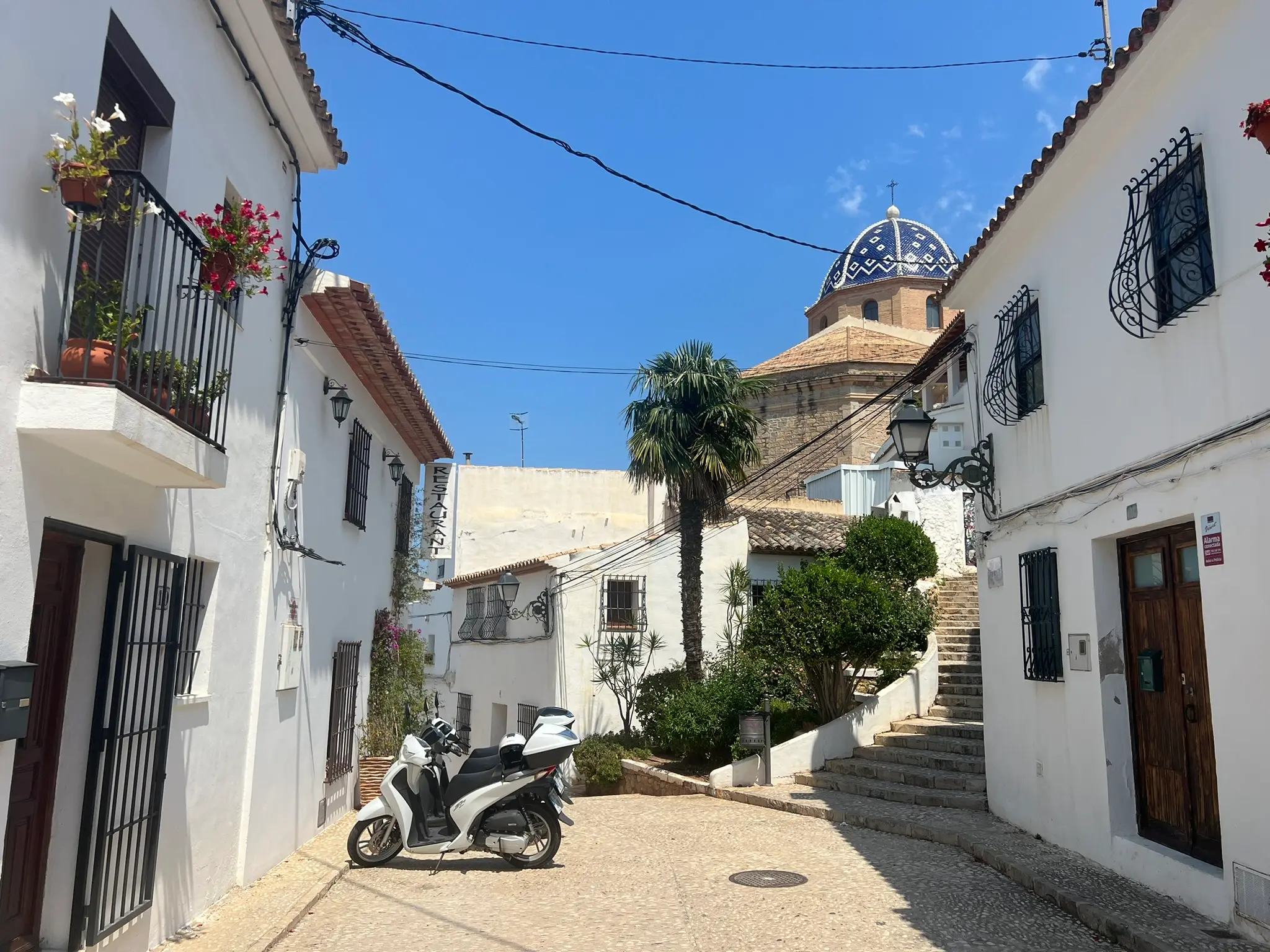
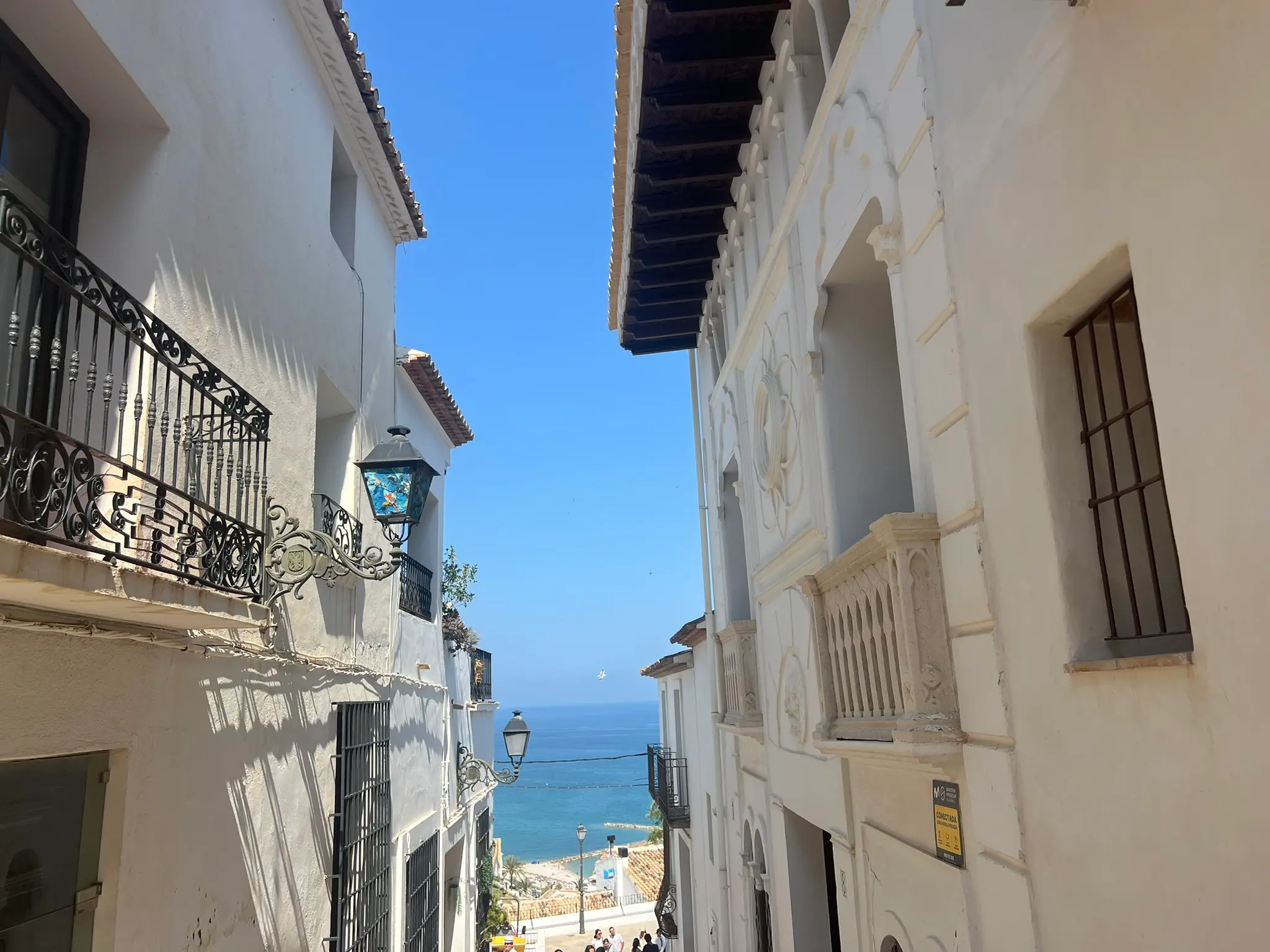
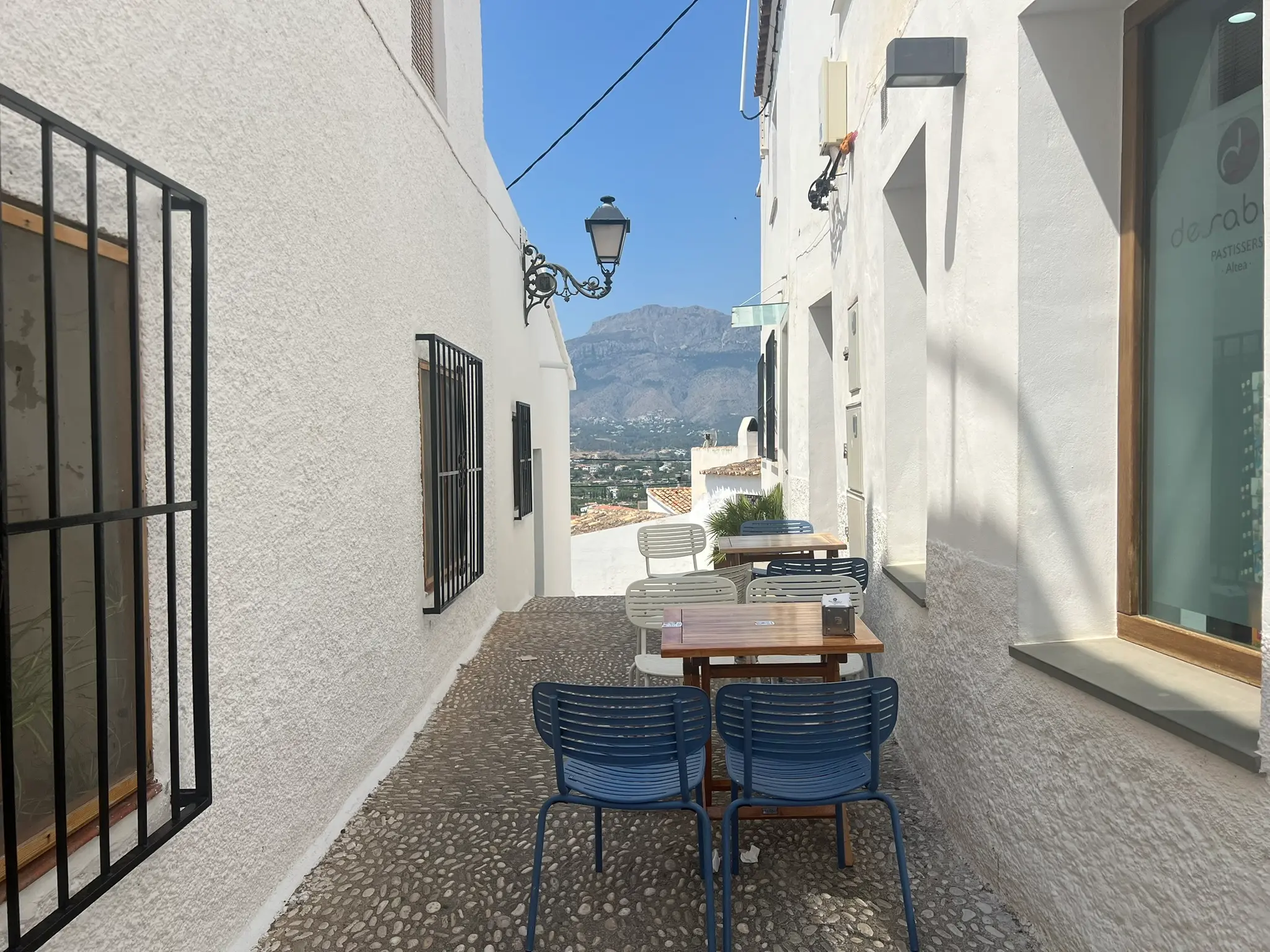
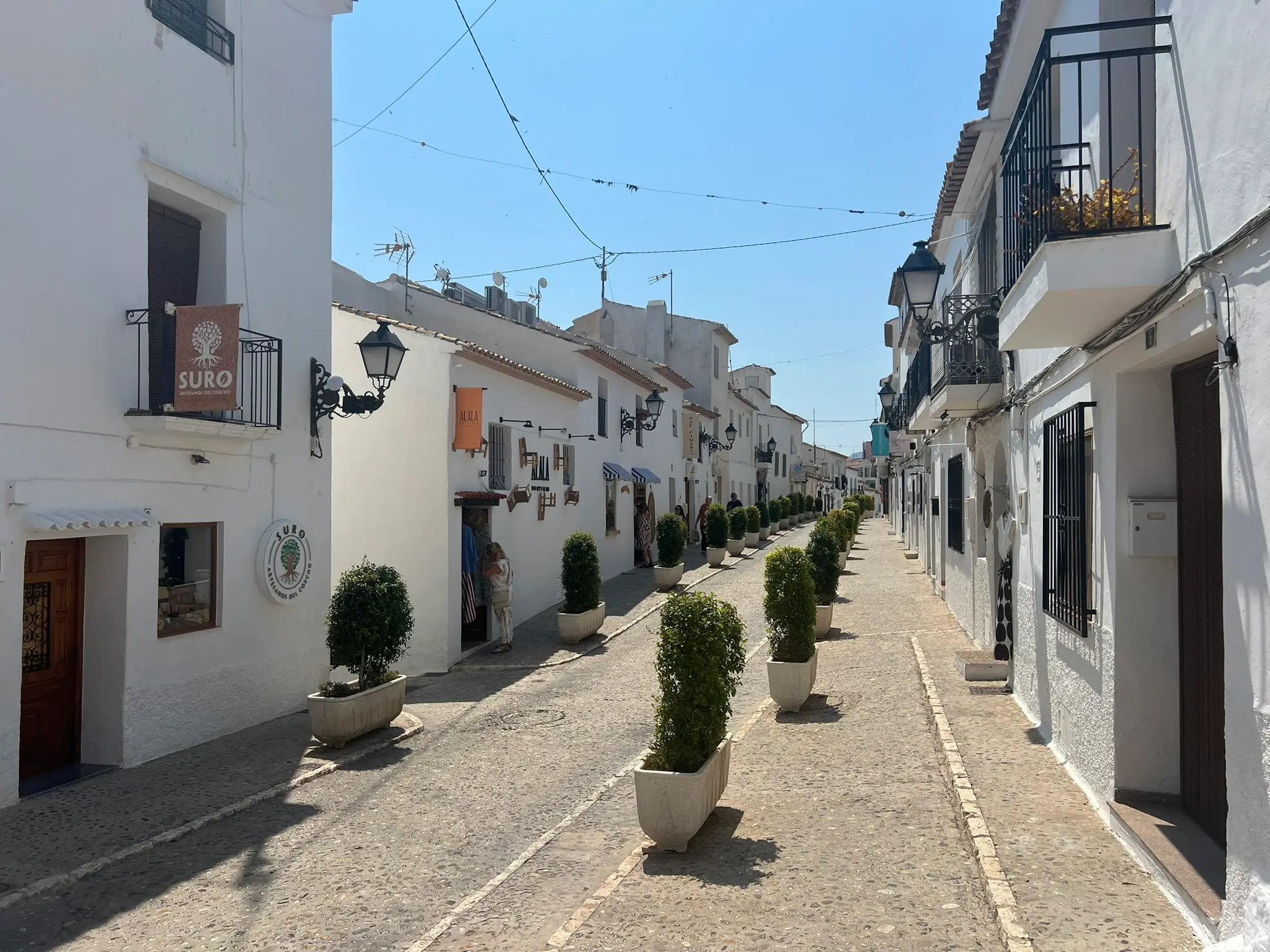
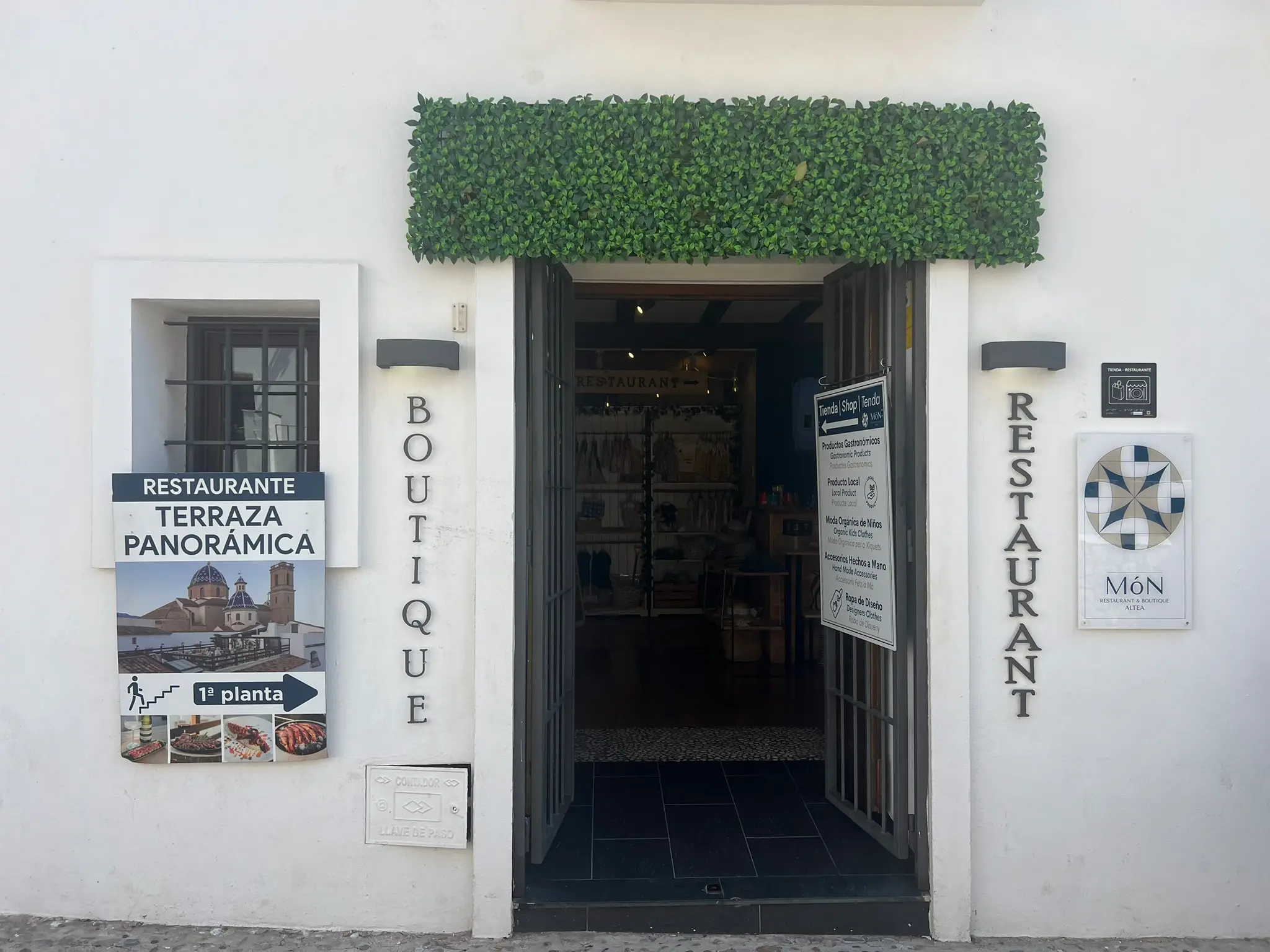
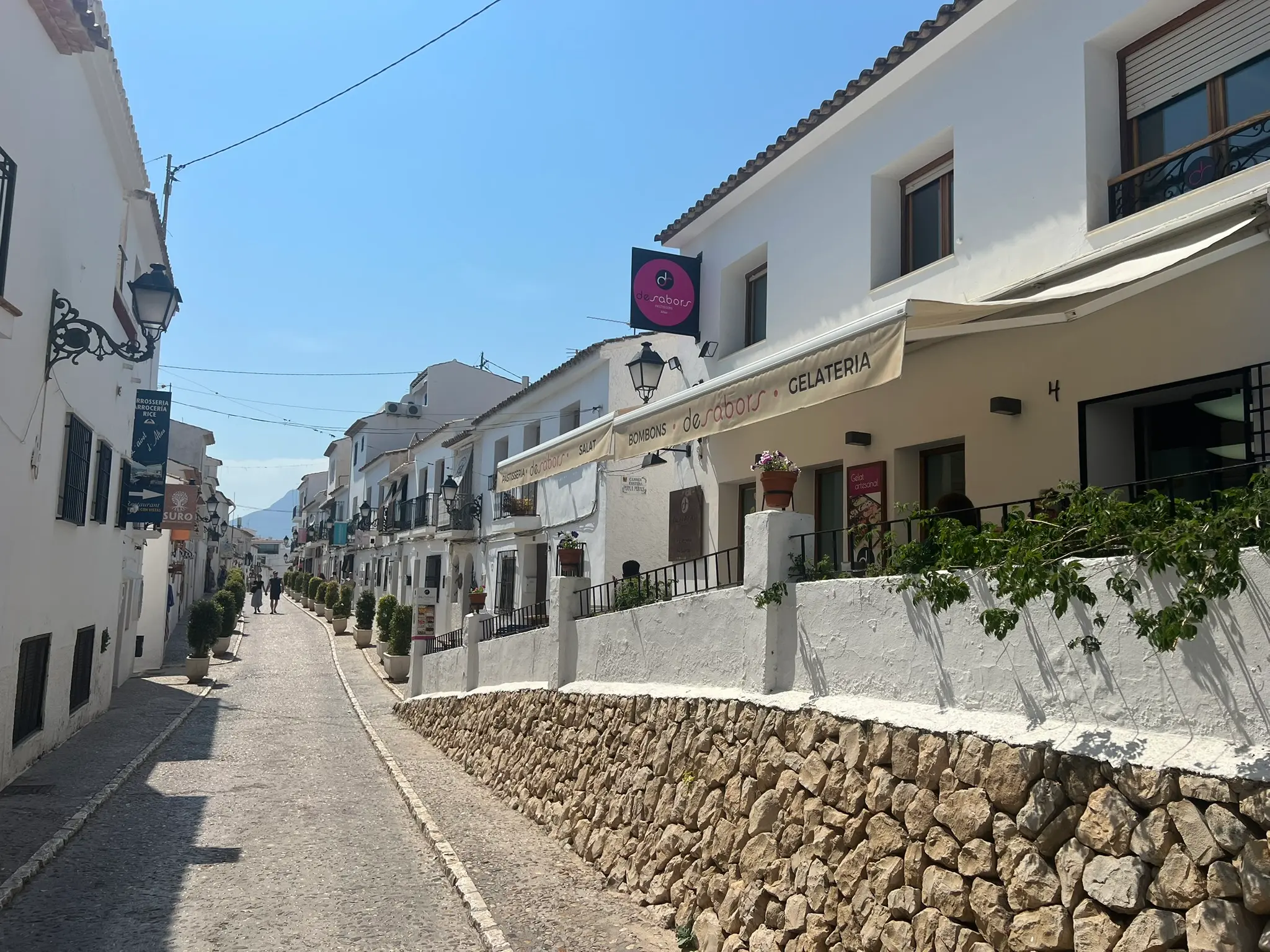
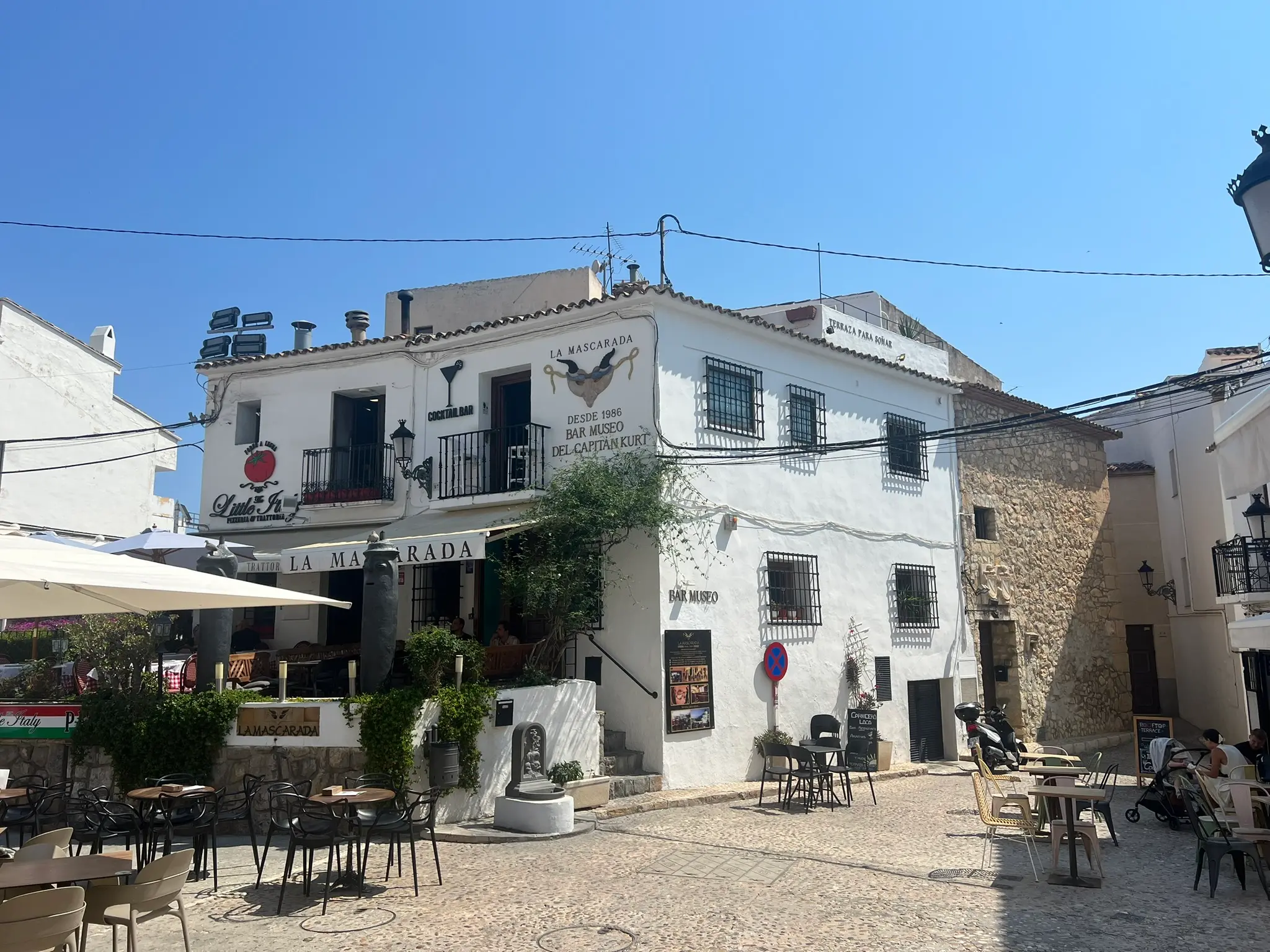
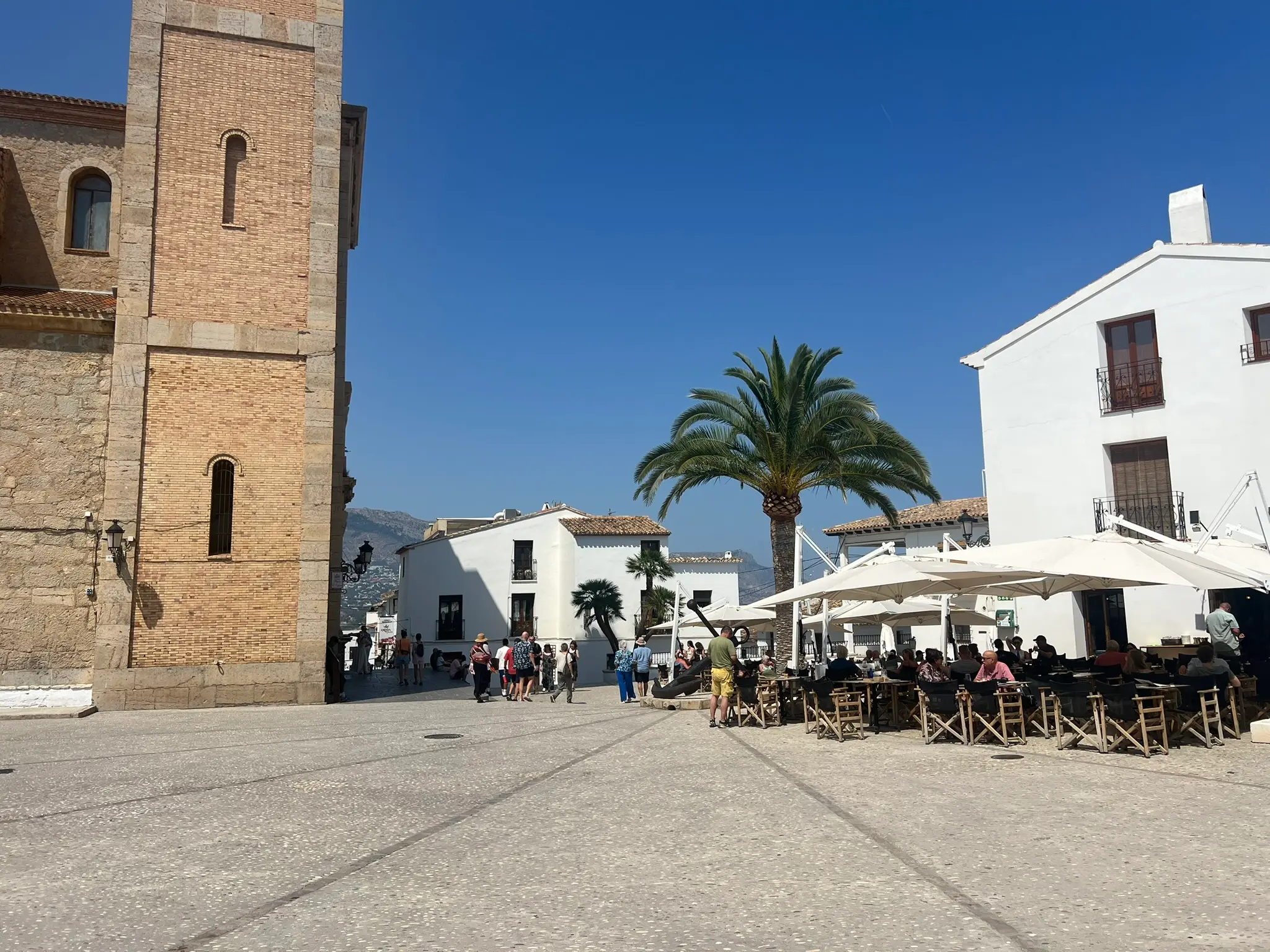
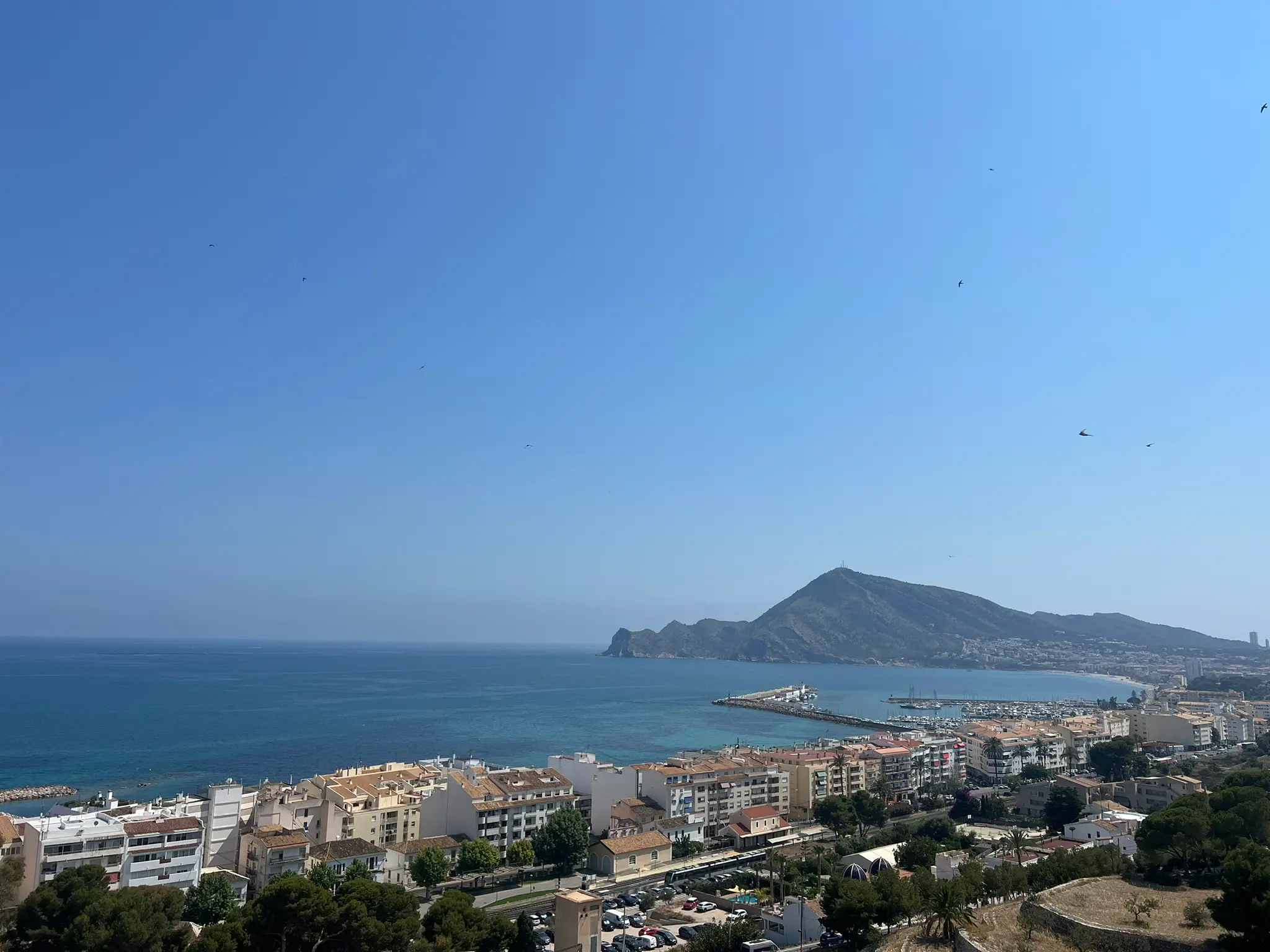
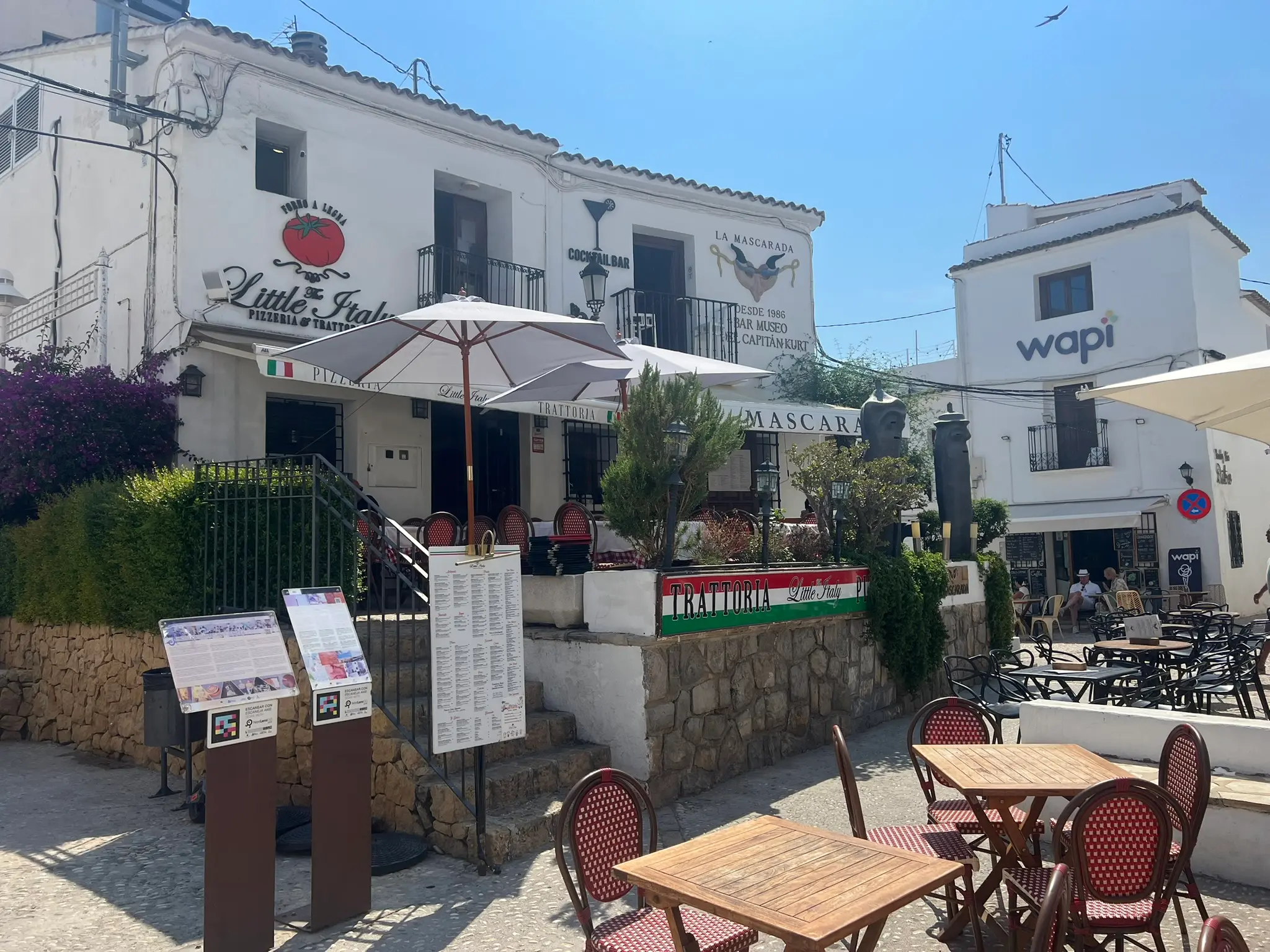
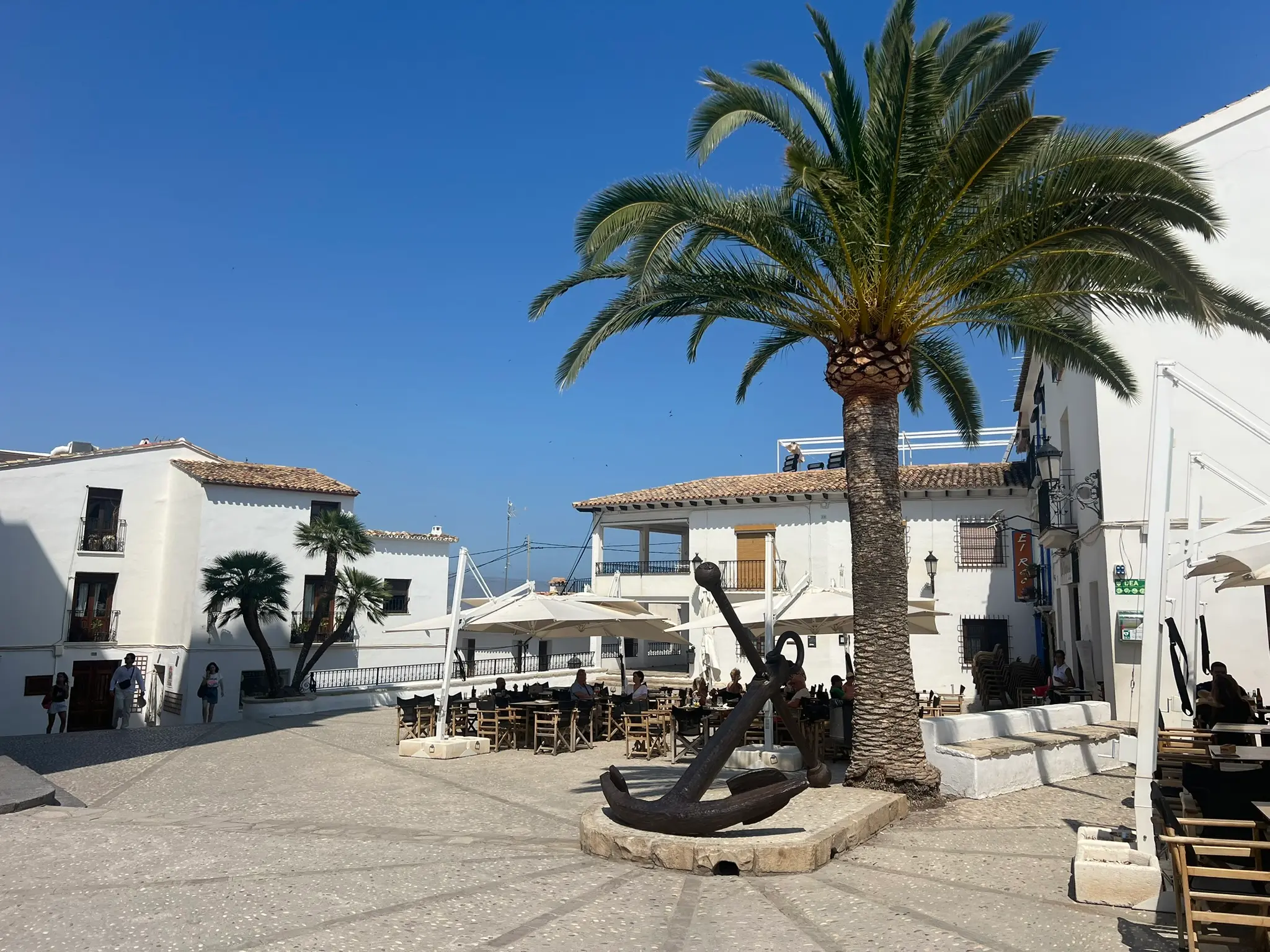
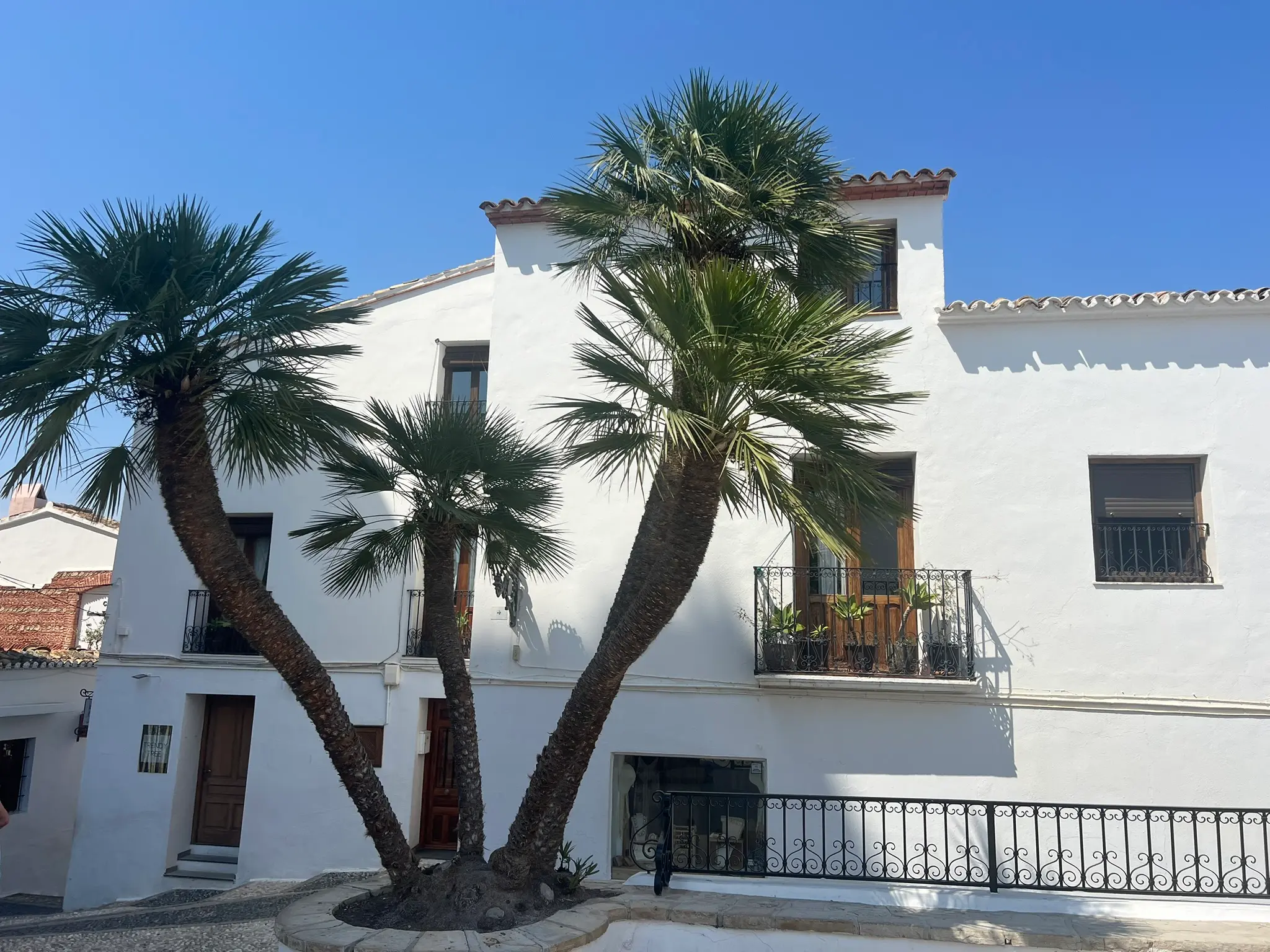
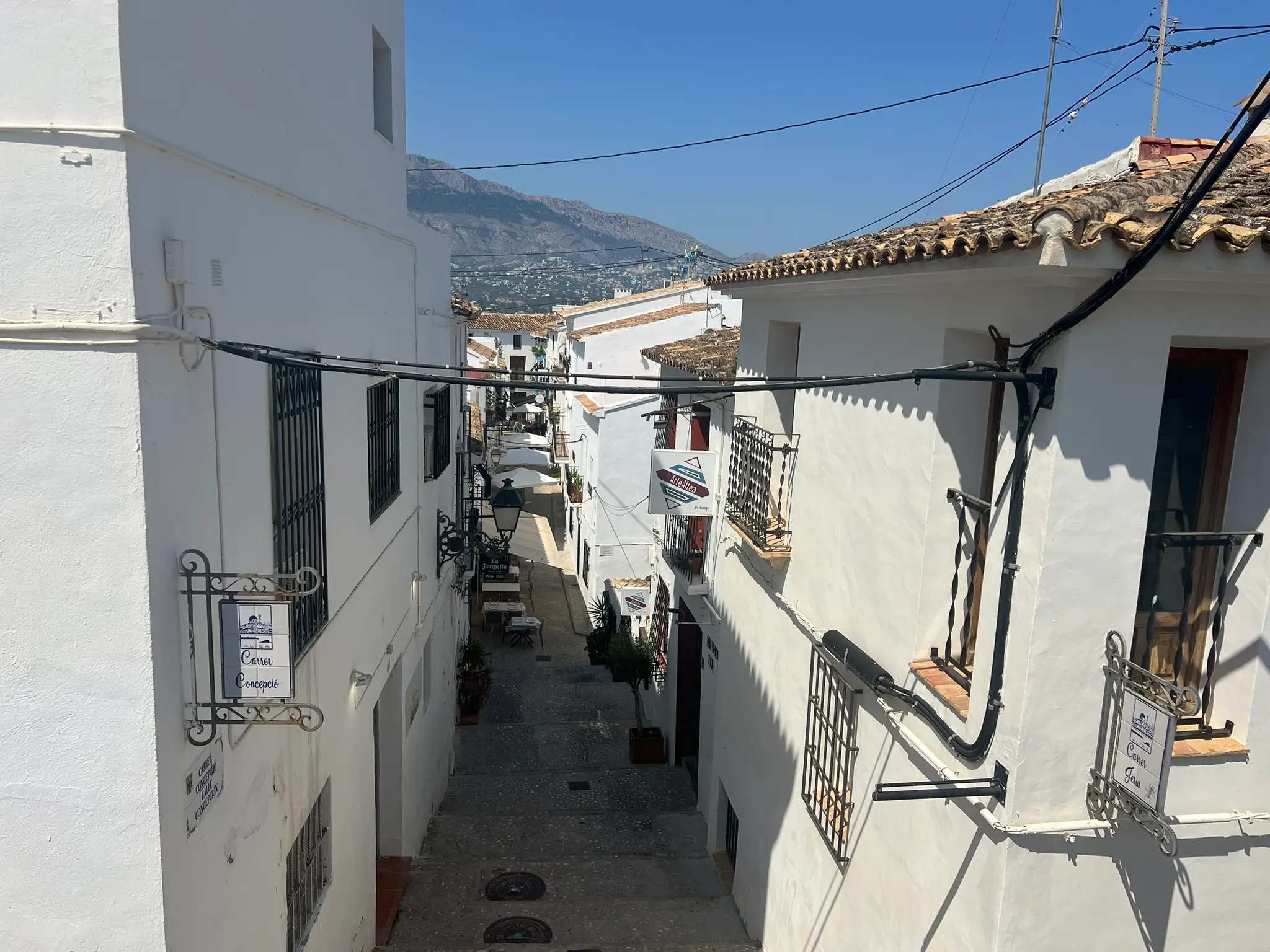
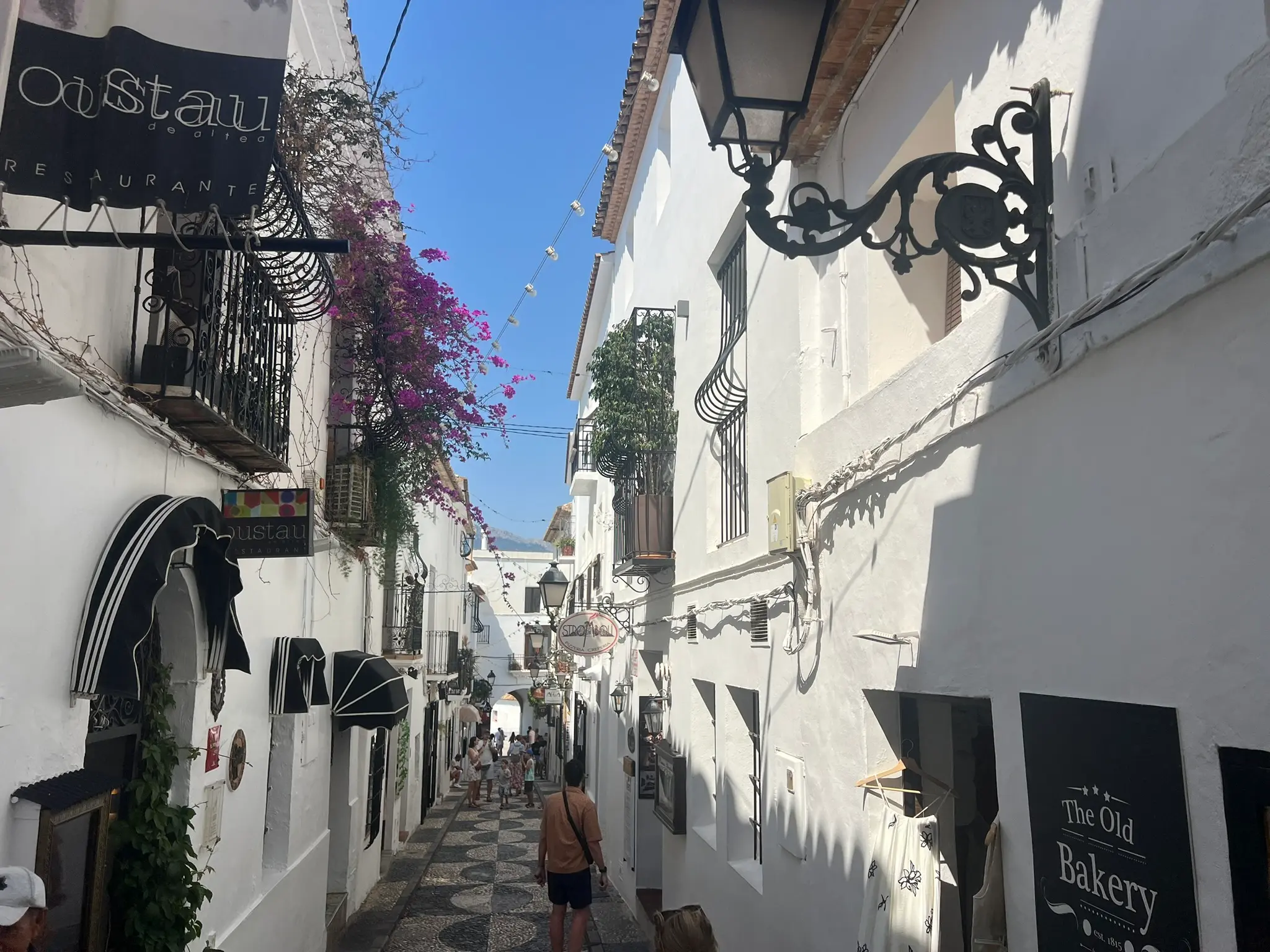
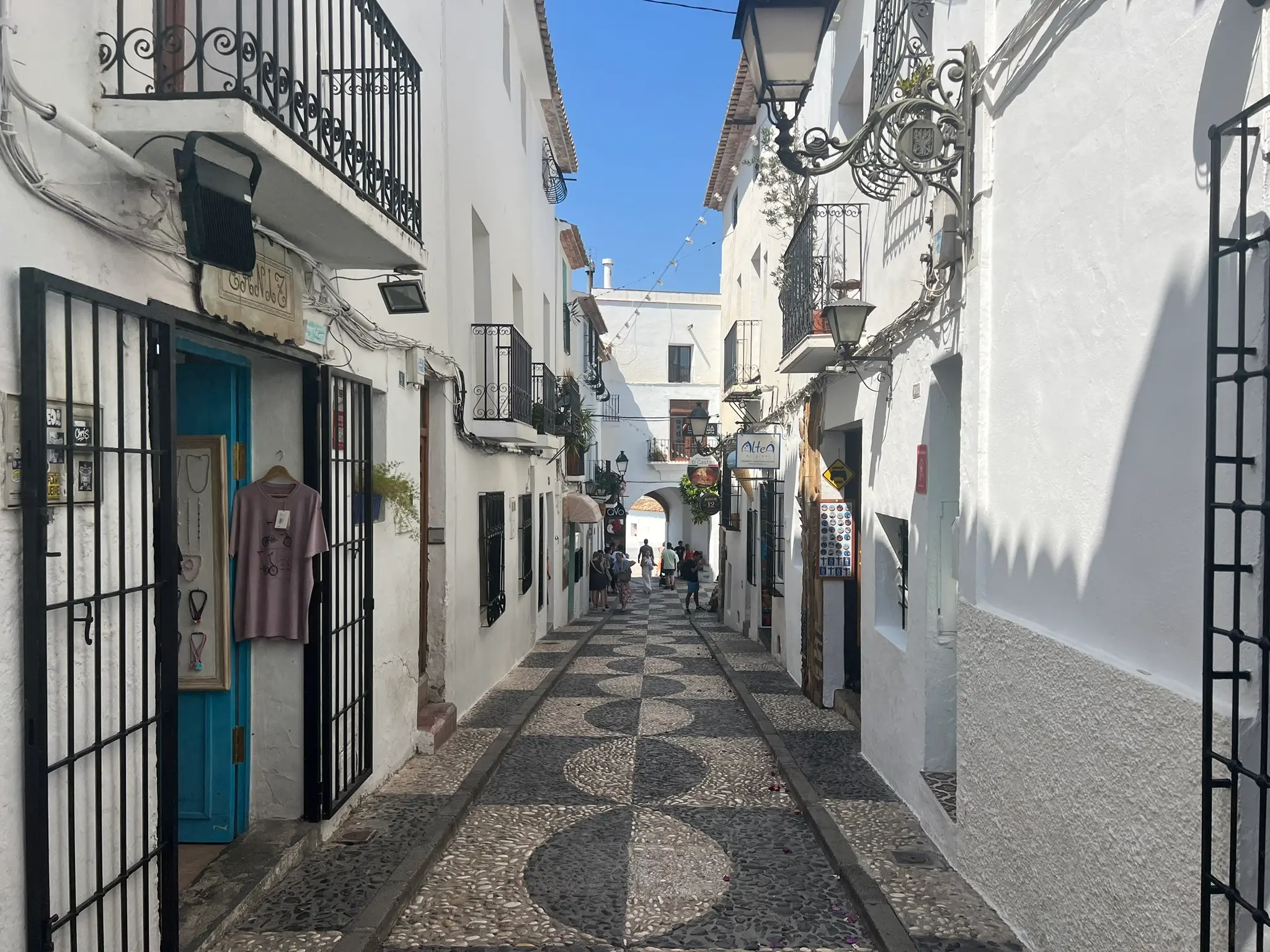
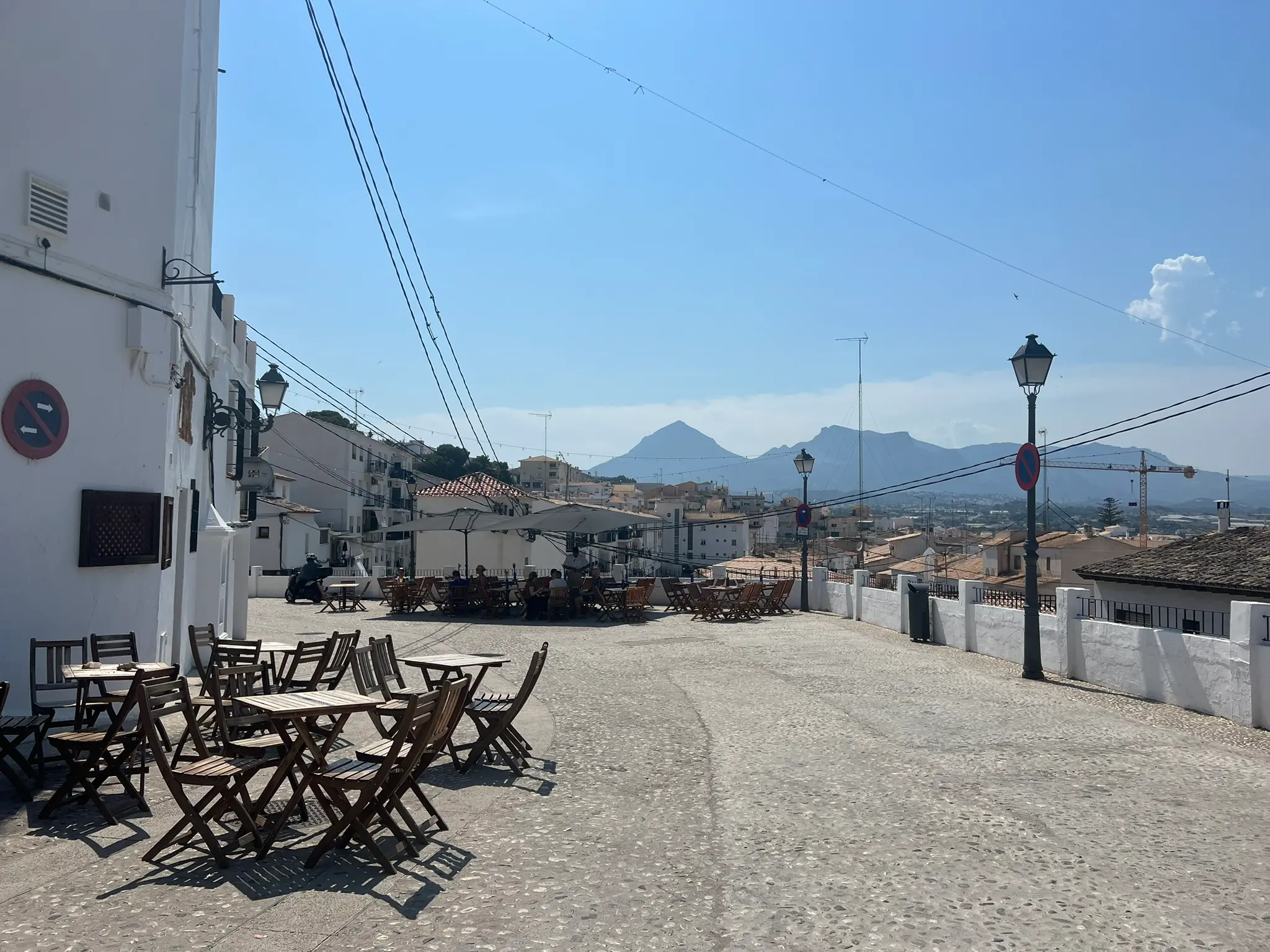
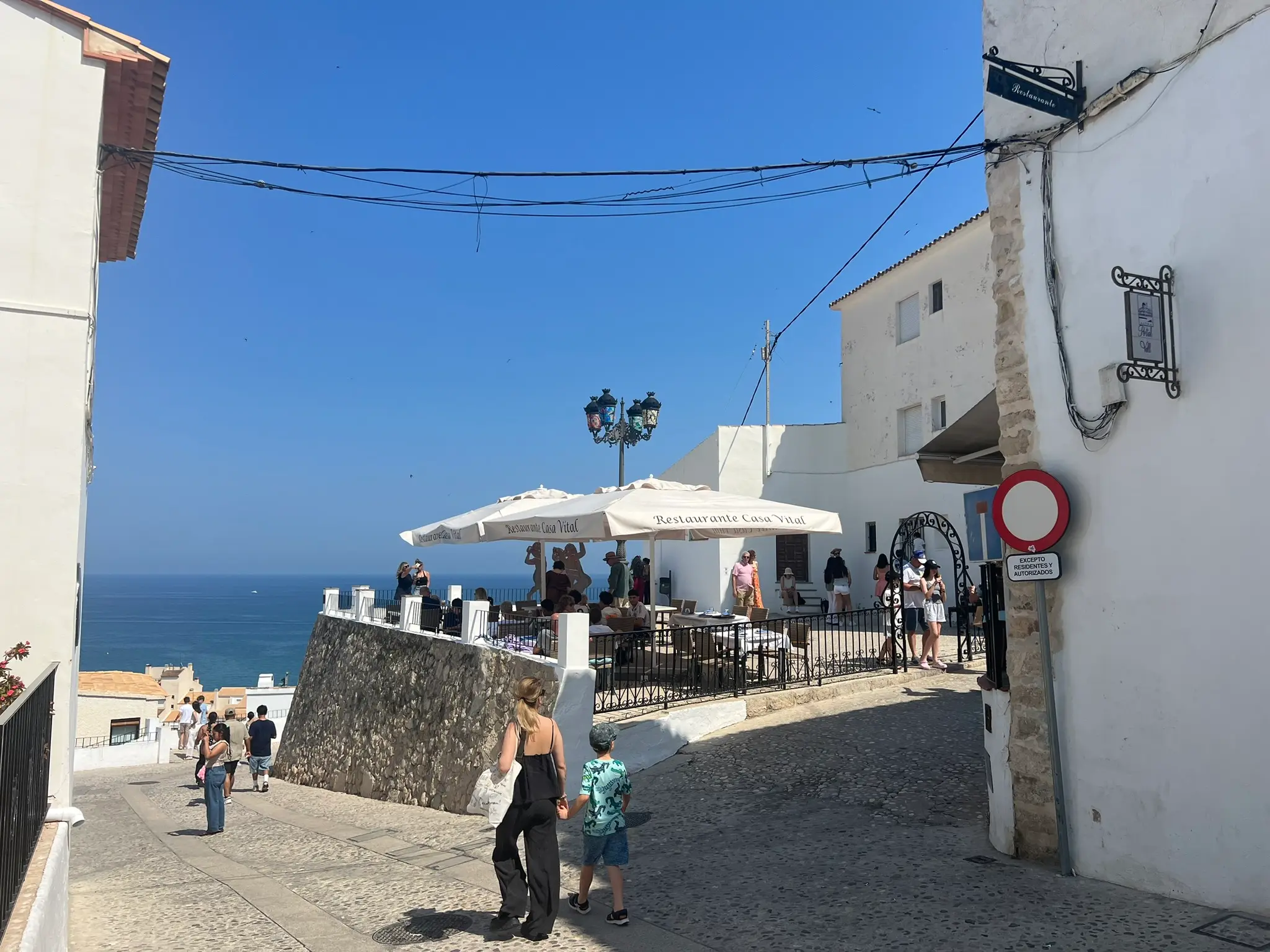
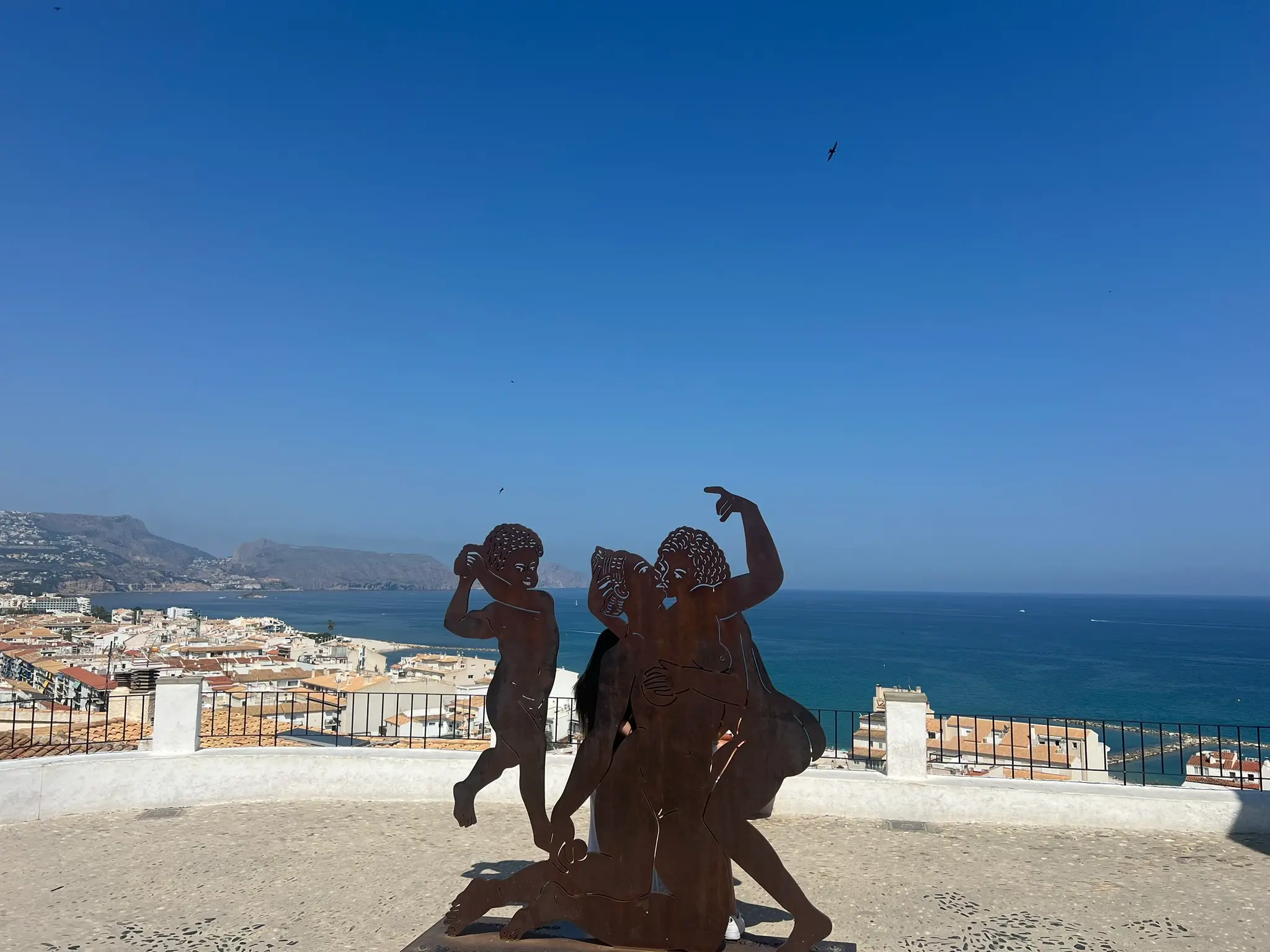
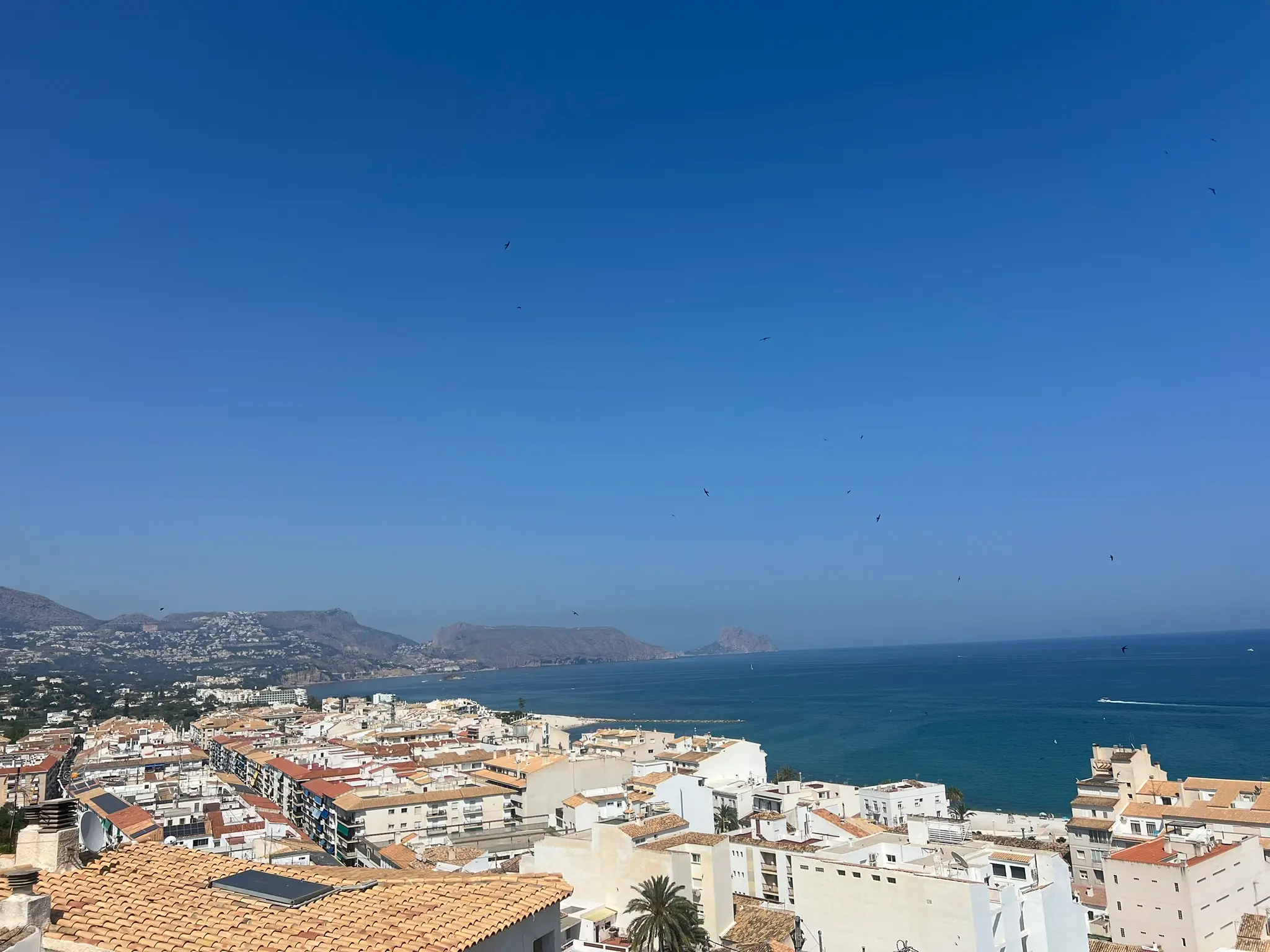
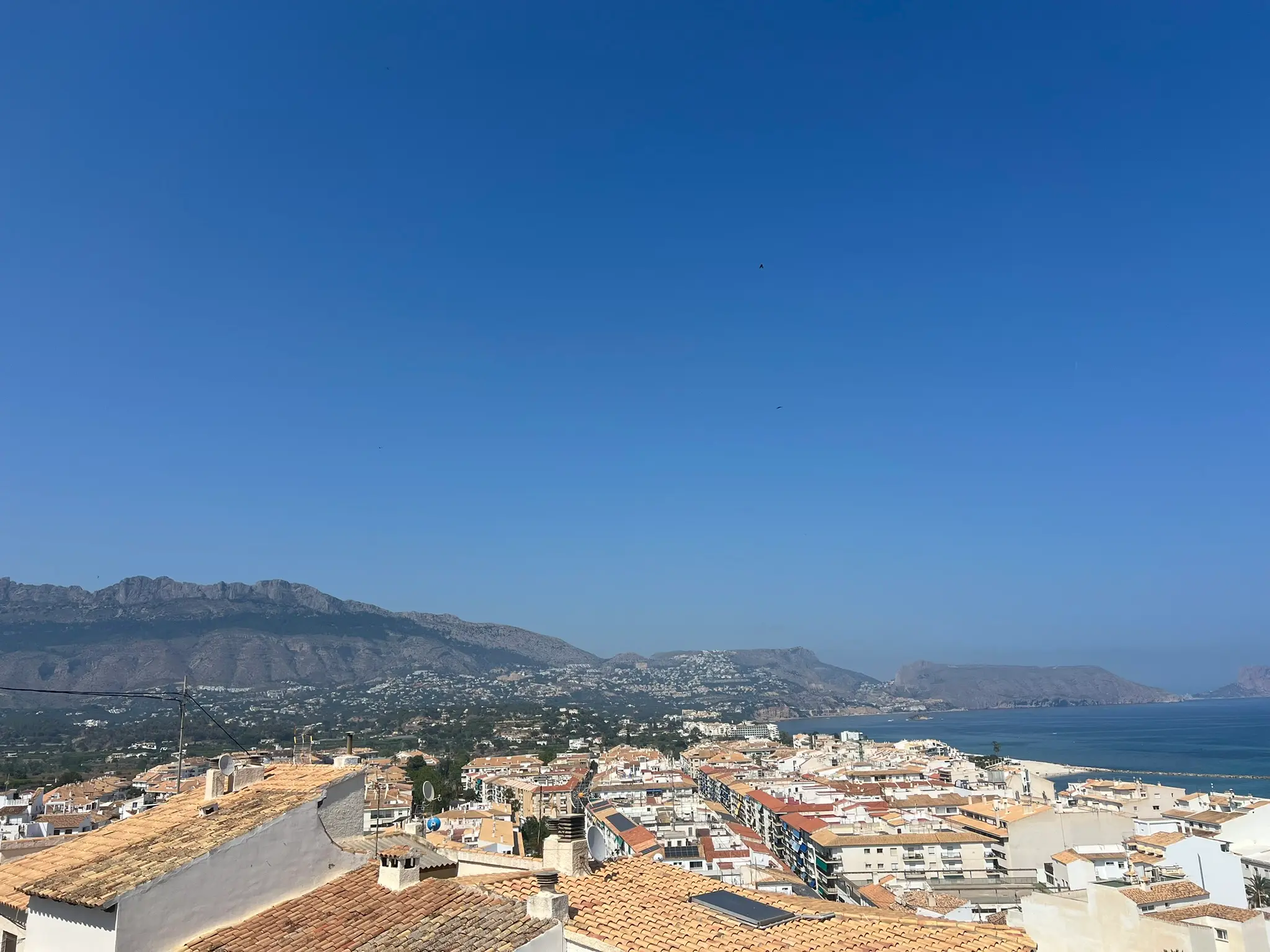
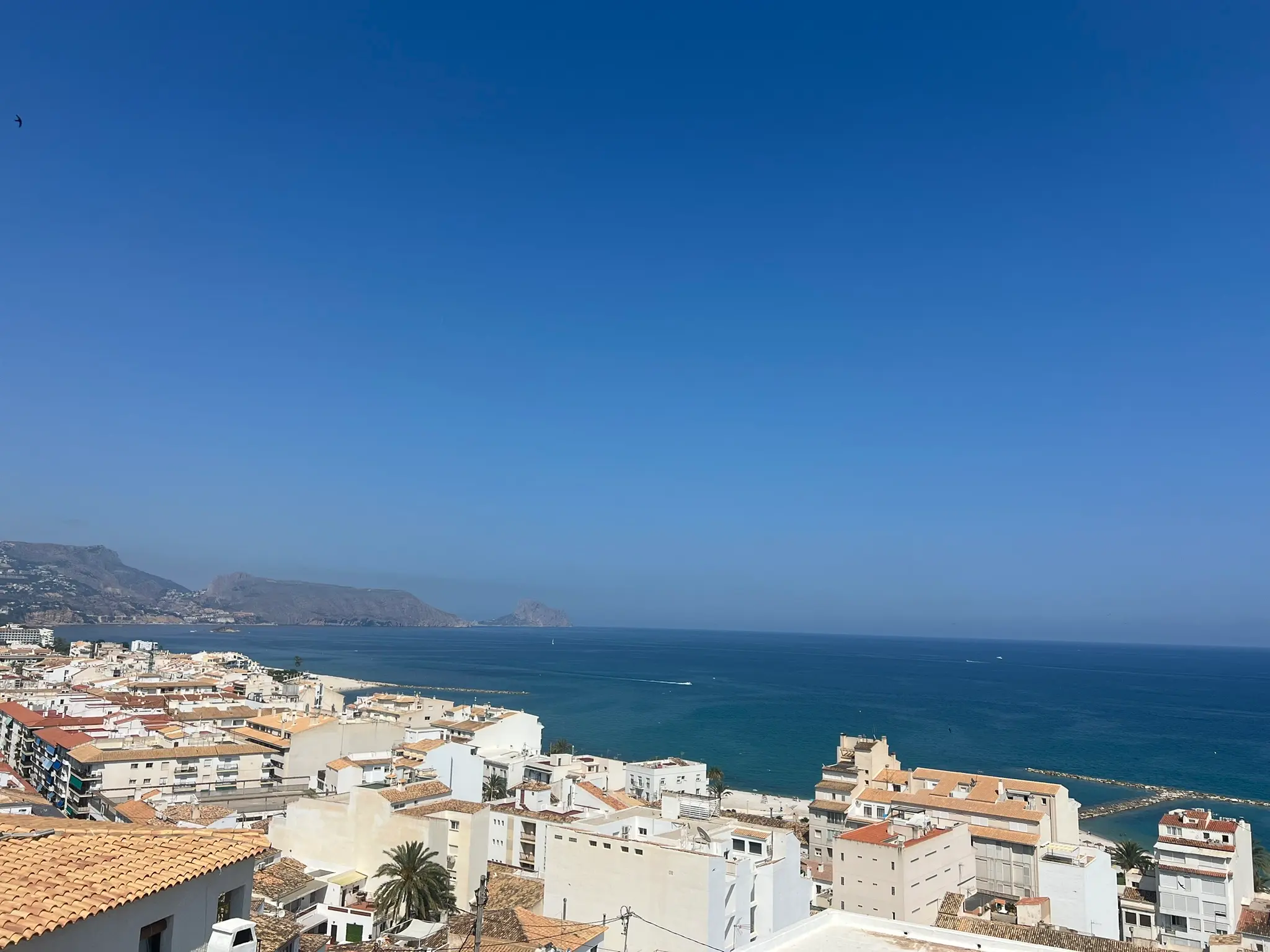
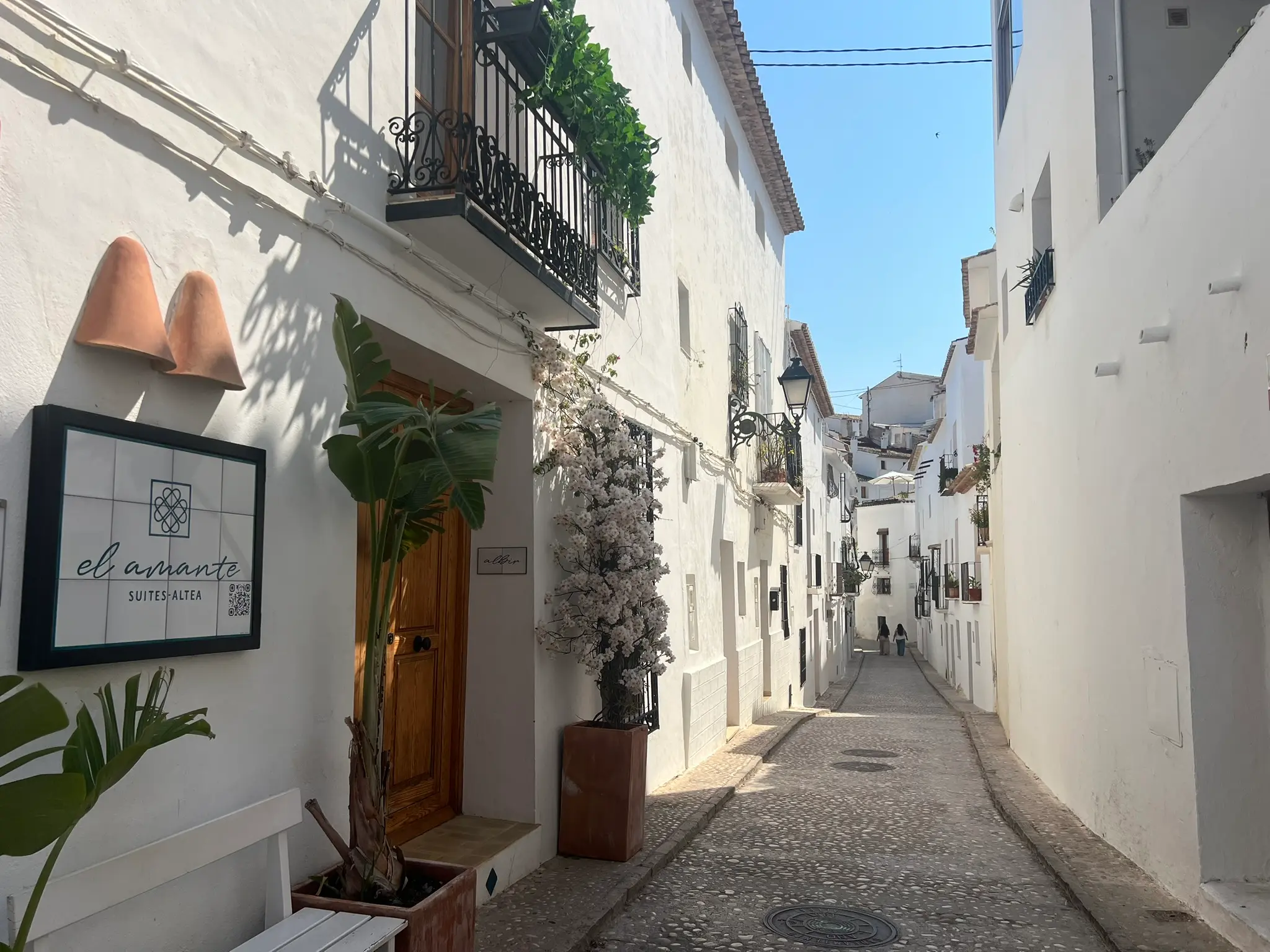
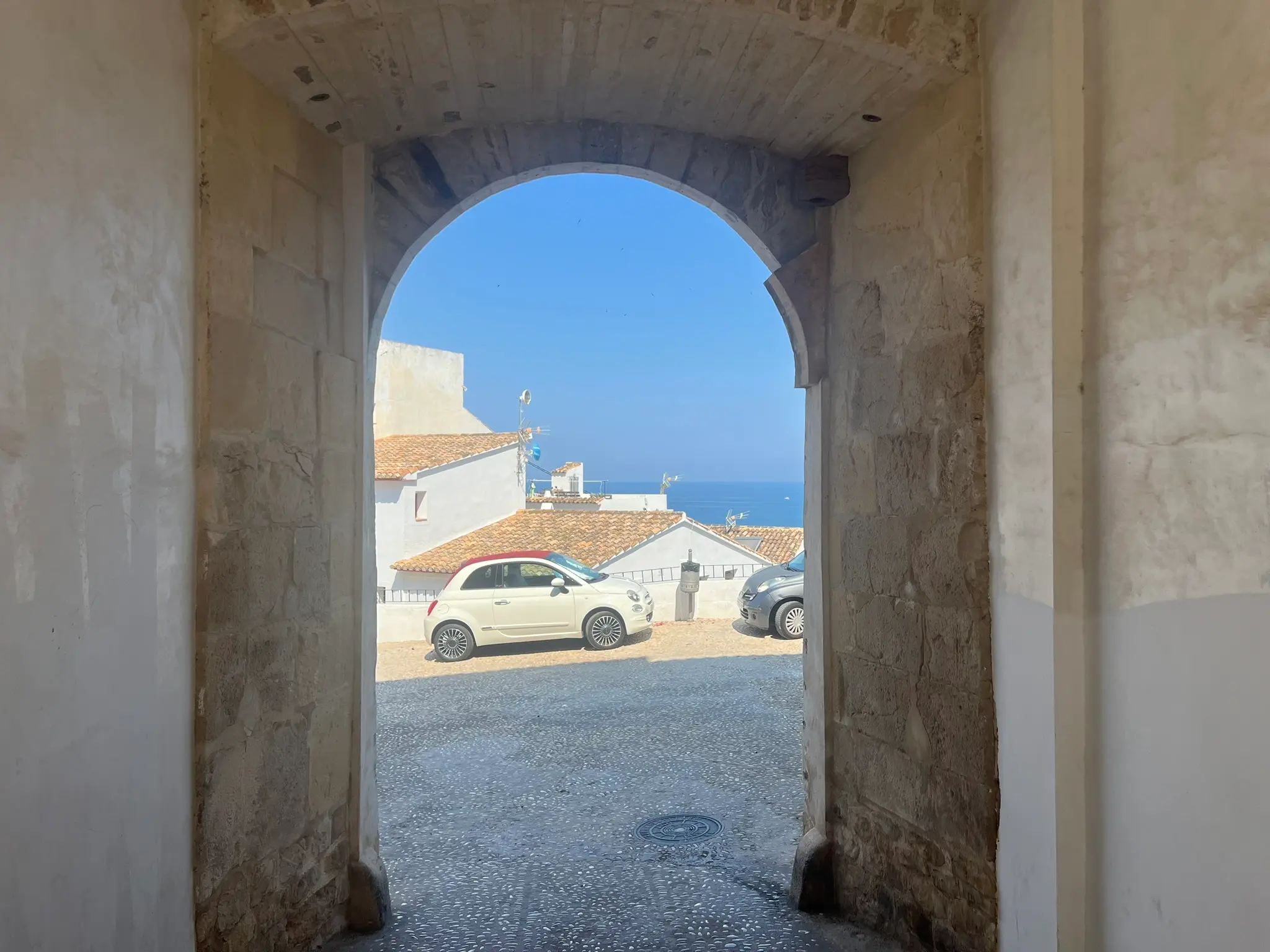
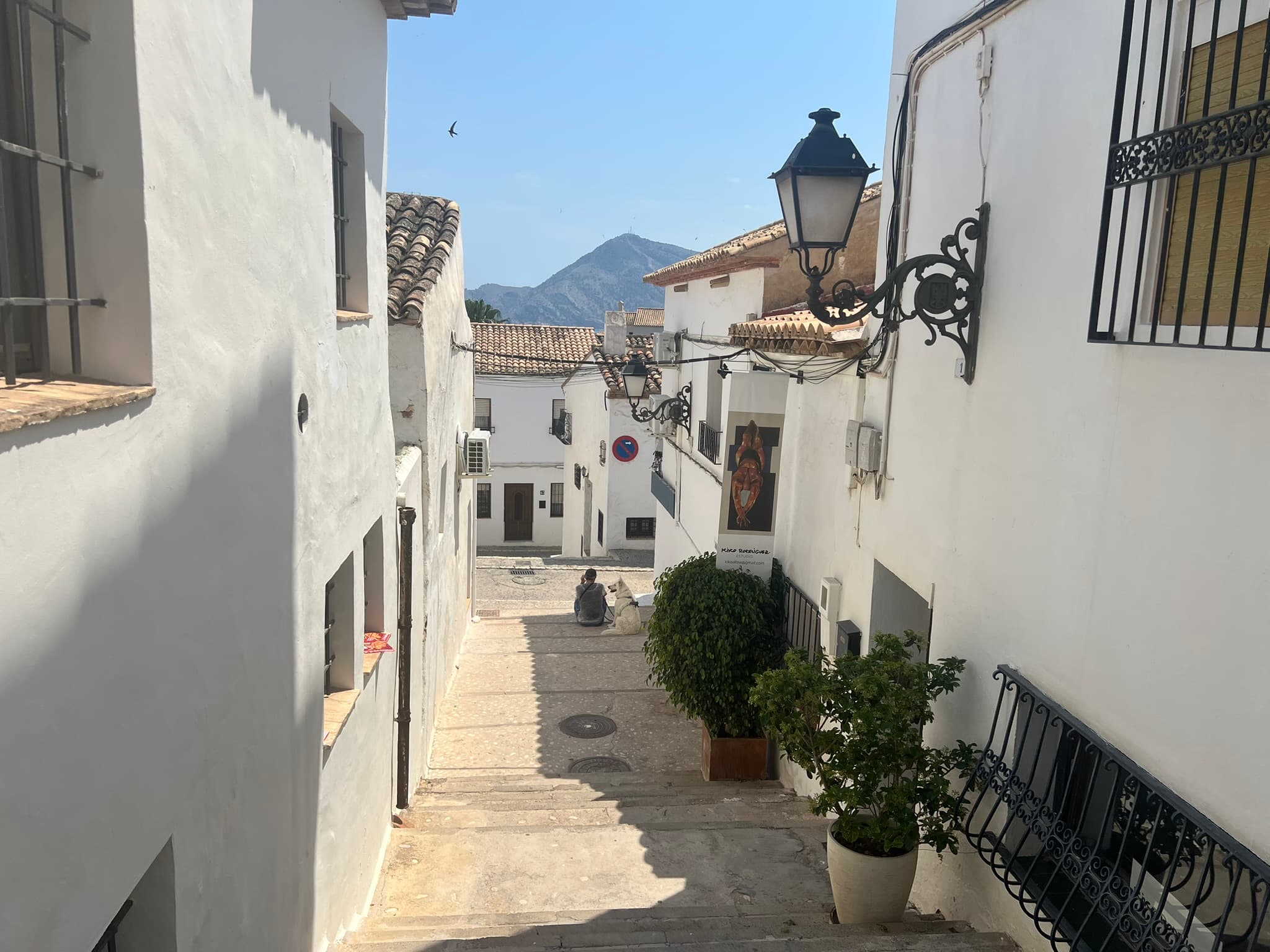
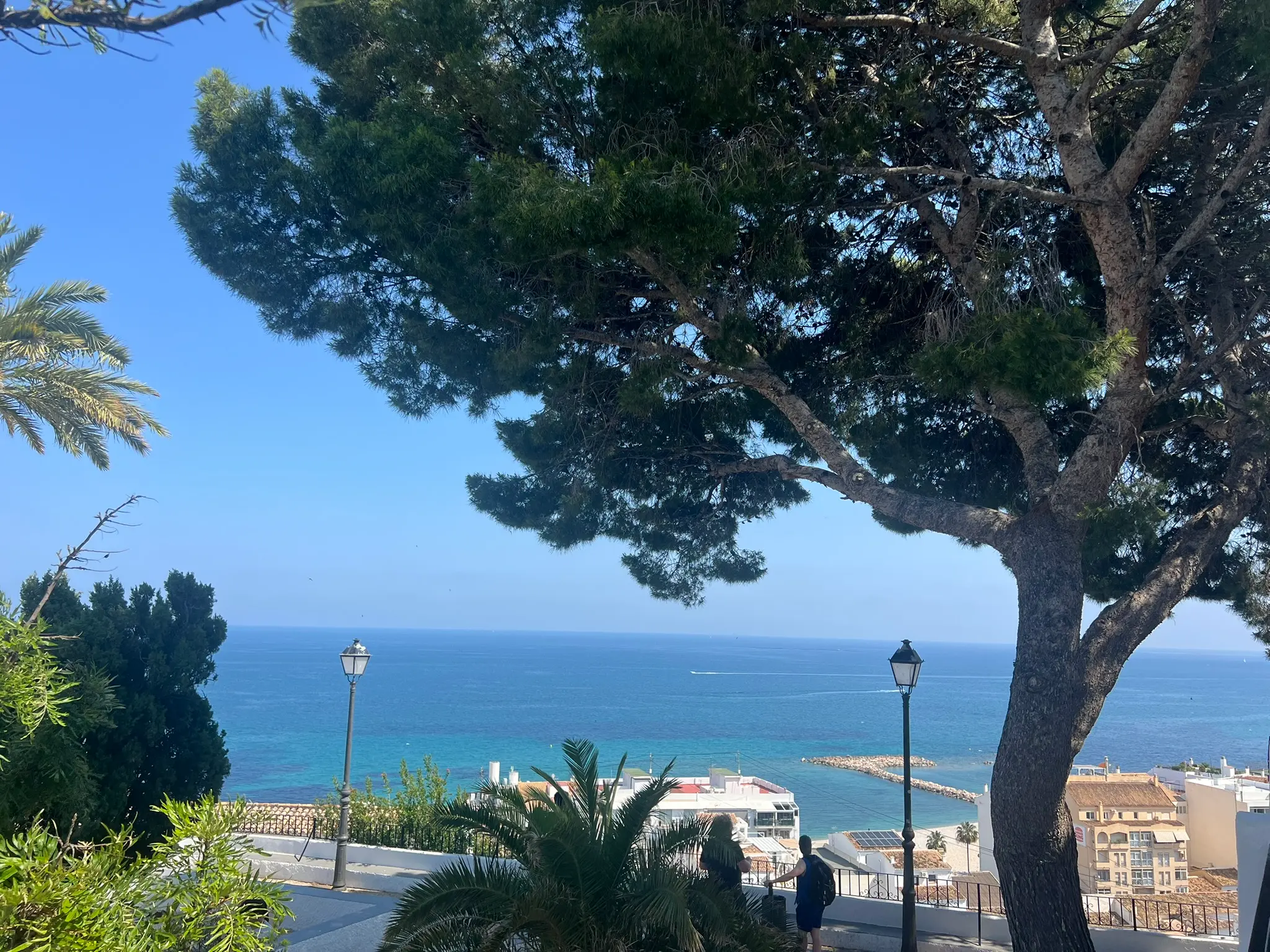
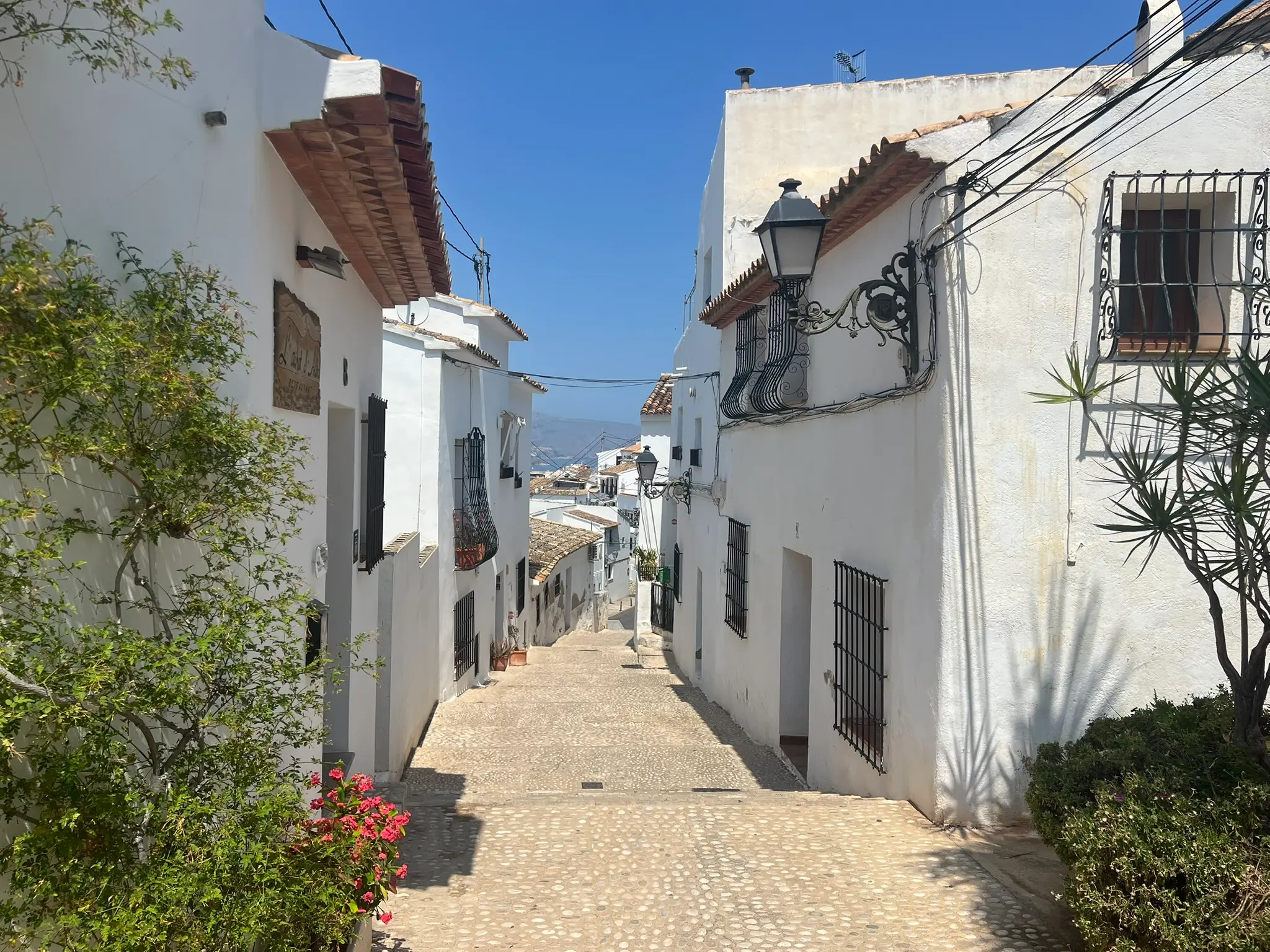
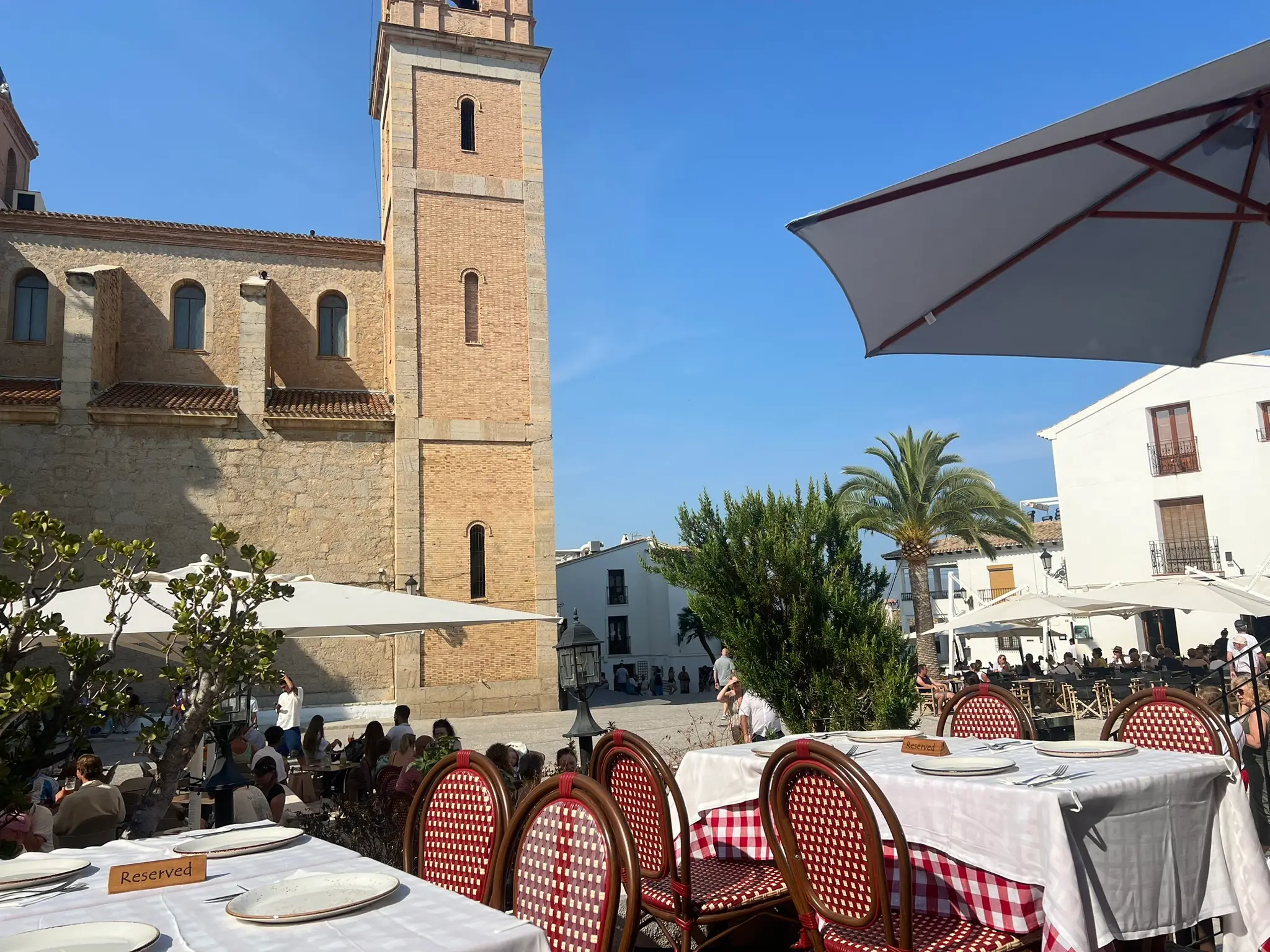
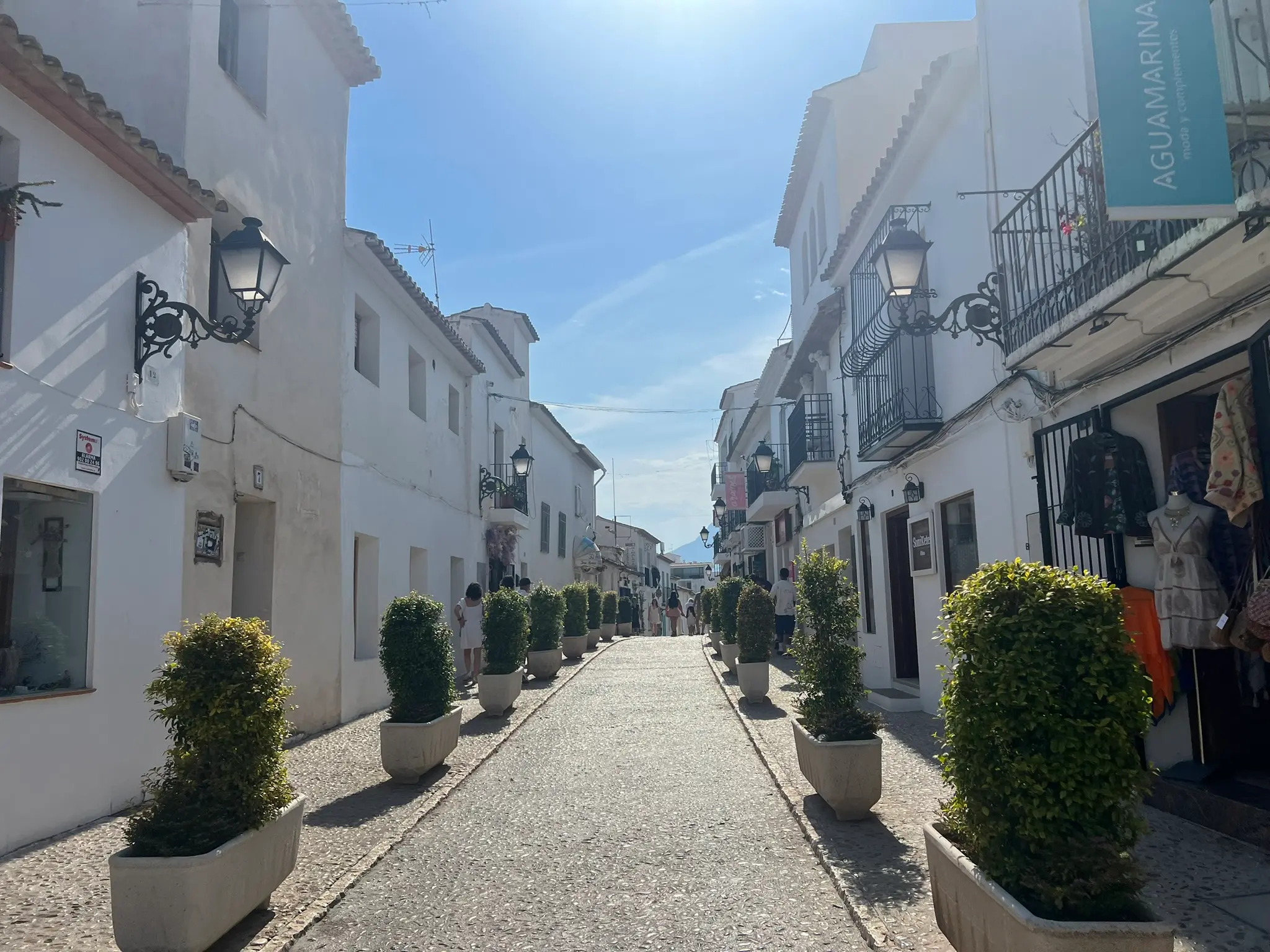
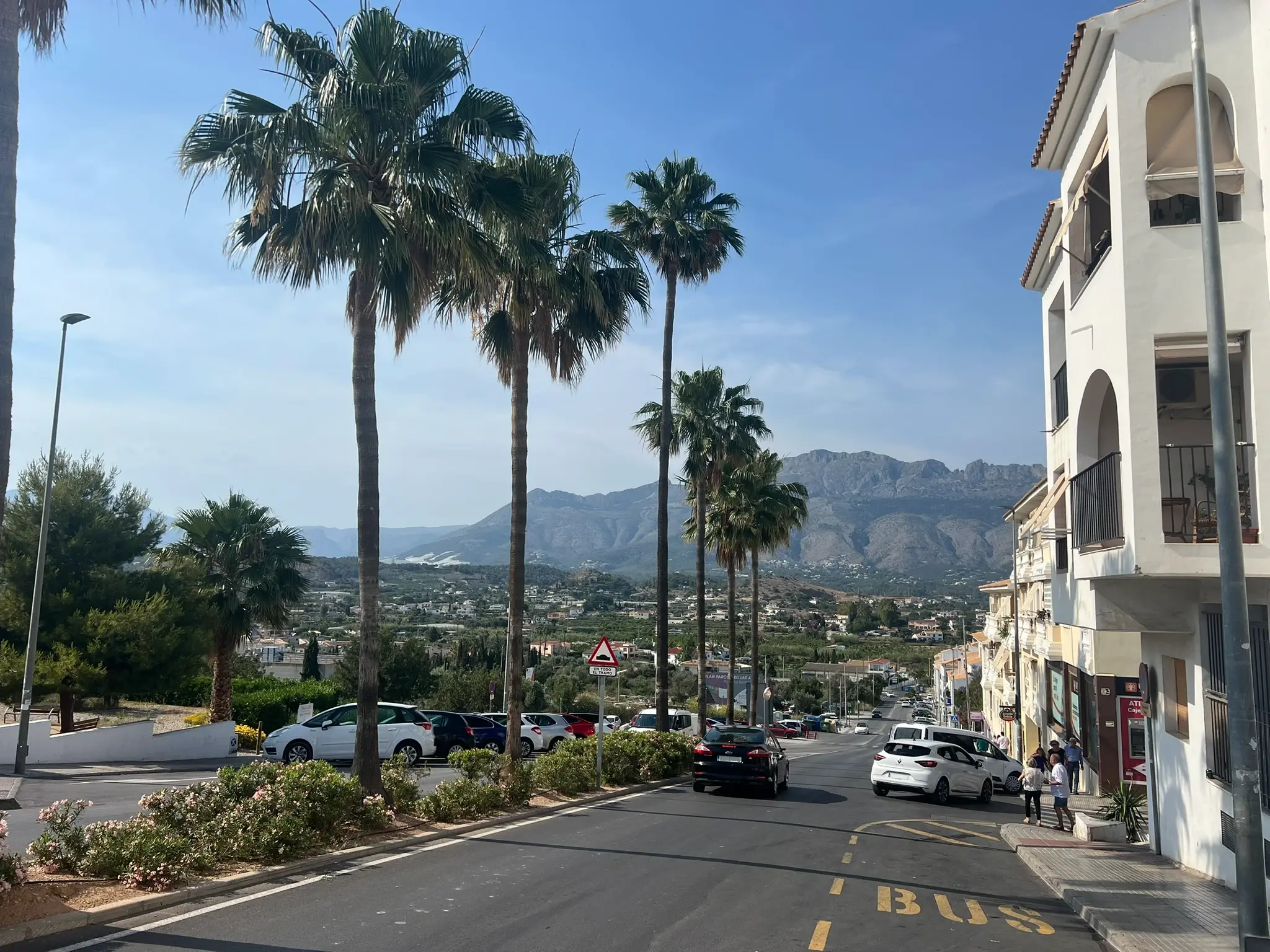
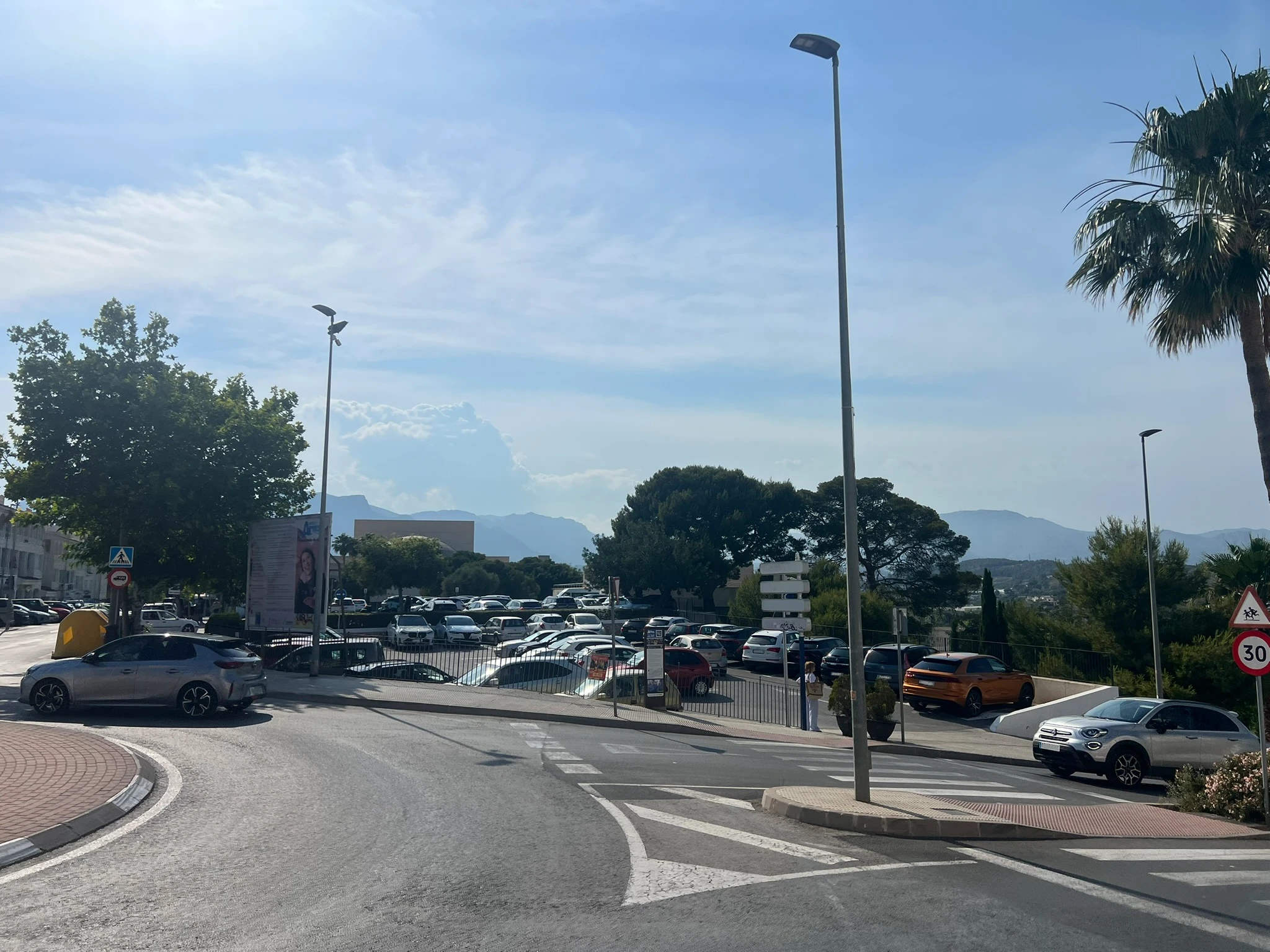
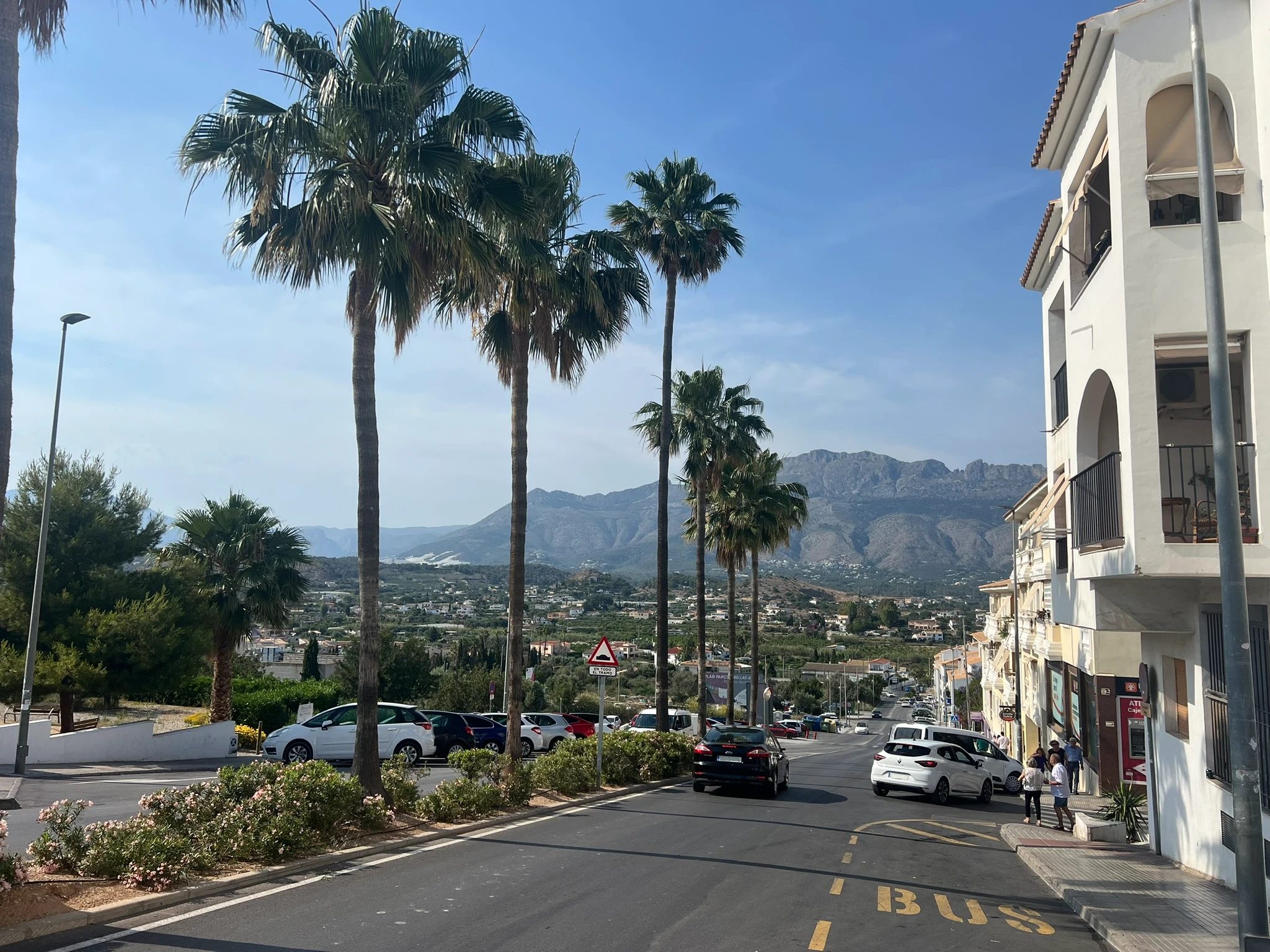
Altea is one stop. The Costa Blanca has plenty more.
Keep exploring:
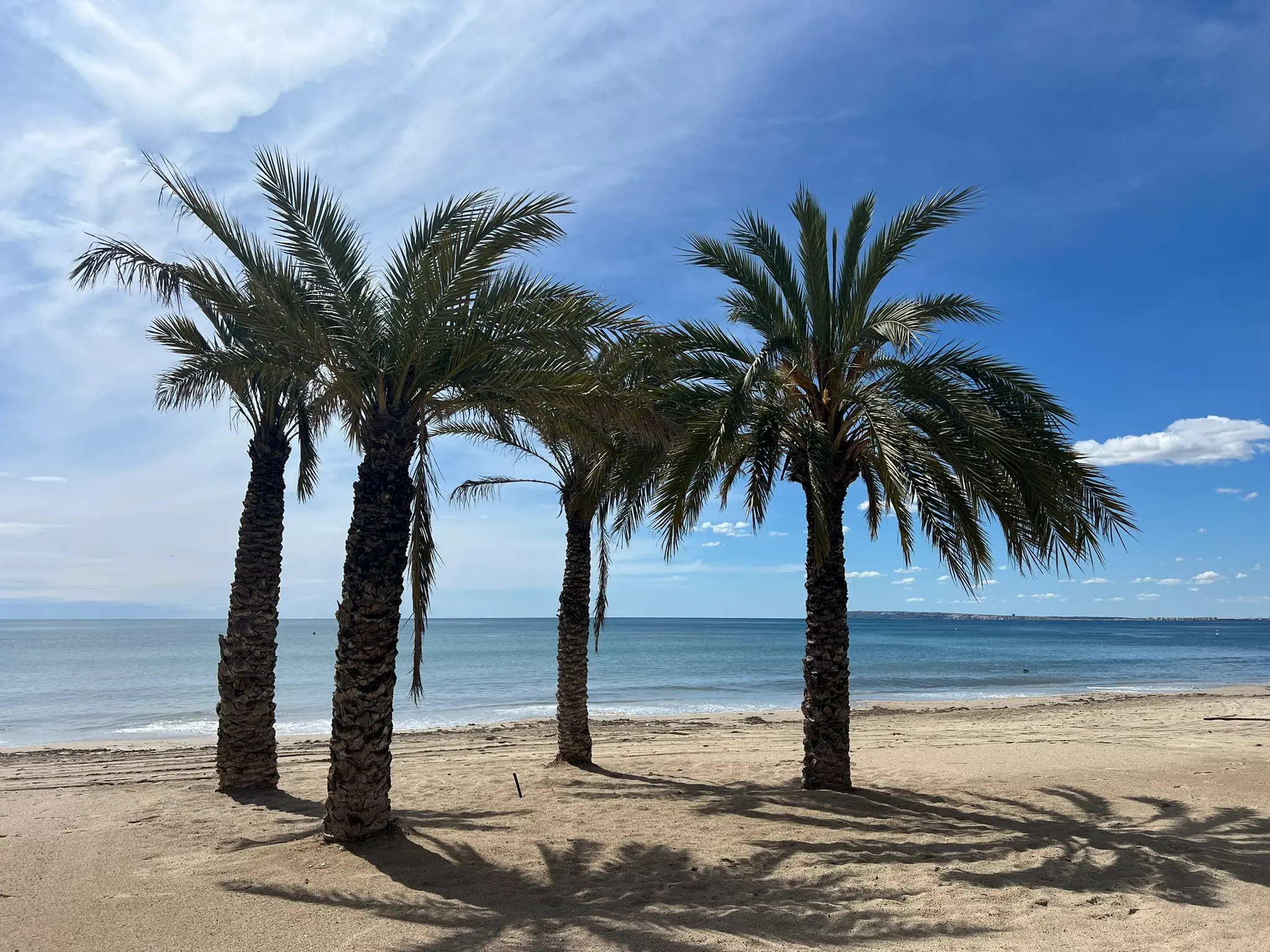
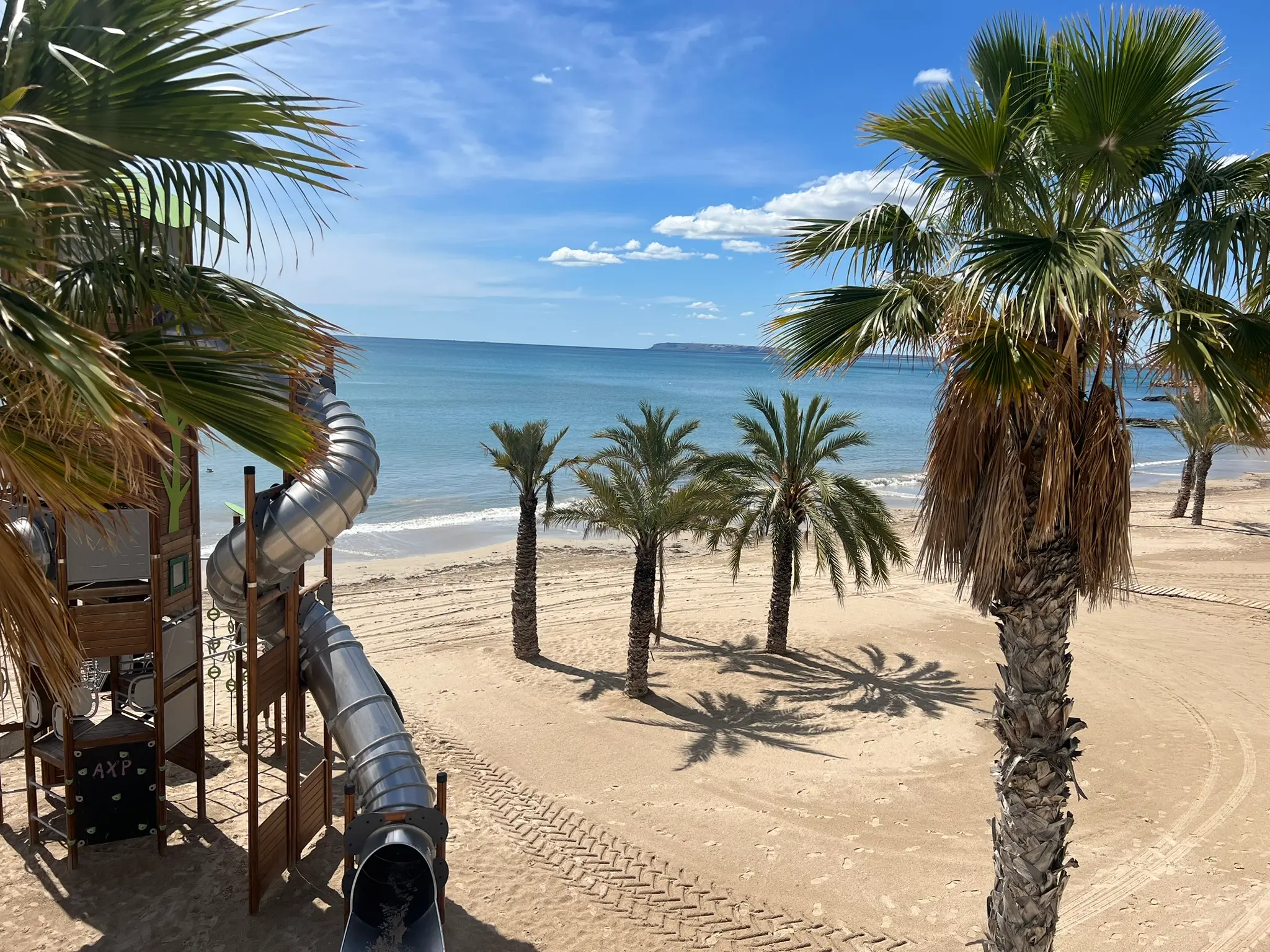
Best Beaches in Alicante & Costa Blanca
From hidden turquoise coves to vast golden sands — find your perfect beach on the Costa Blanca.
Explore Beaches→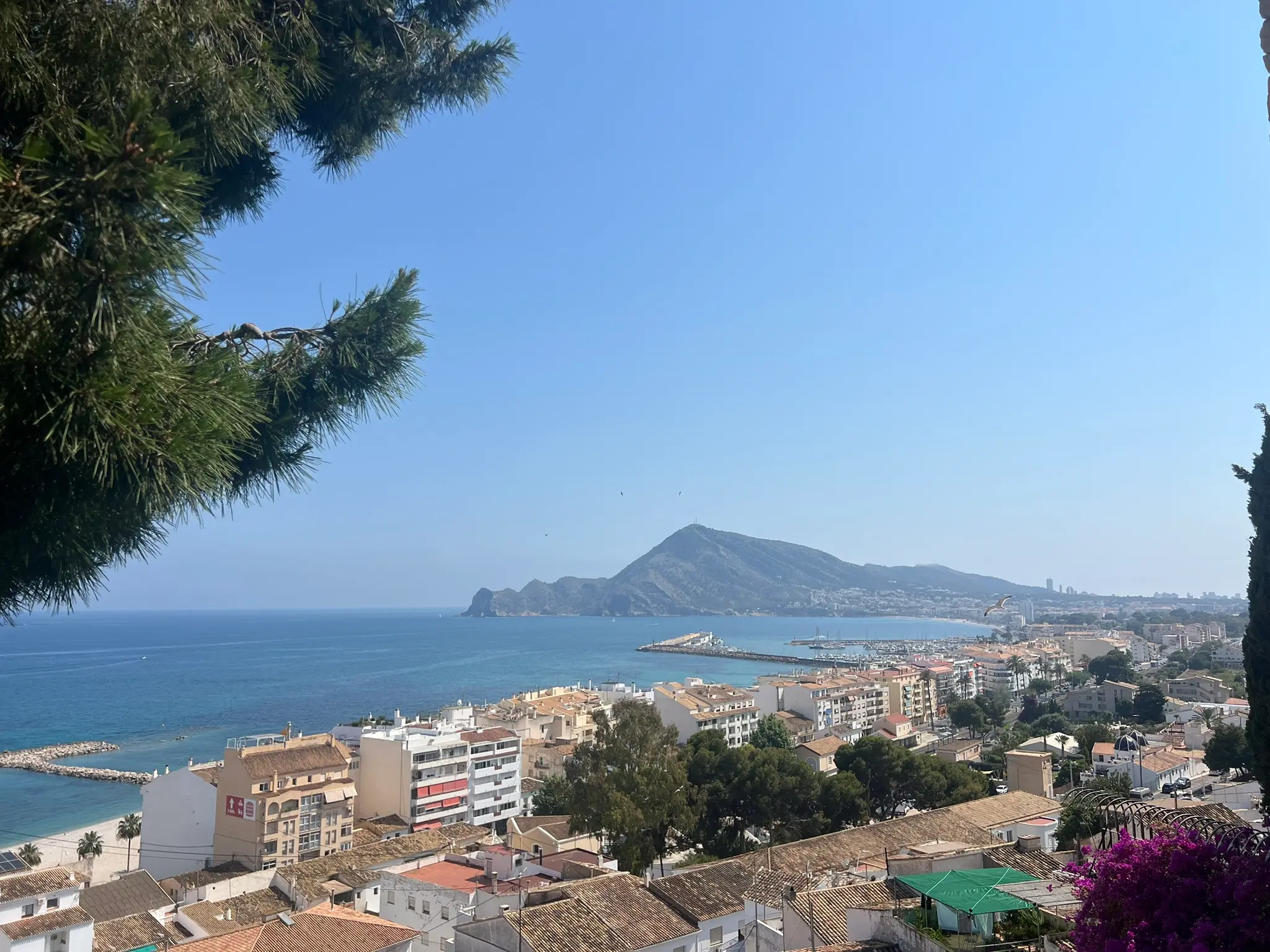
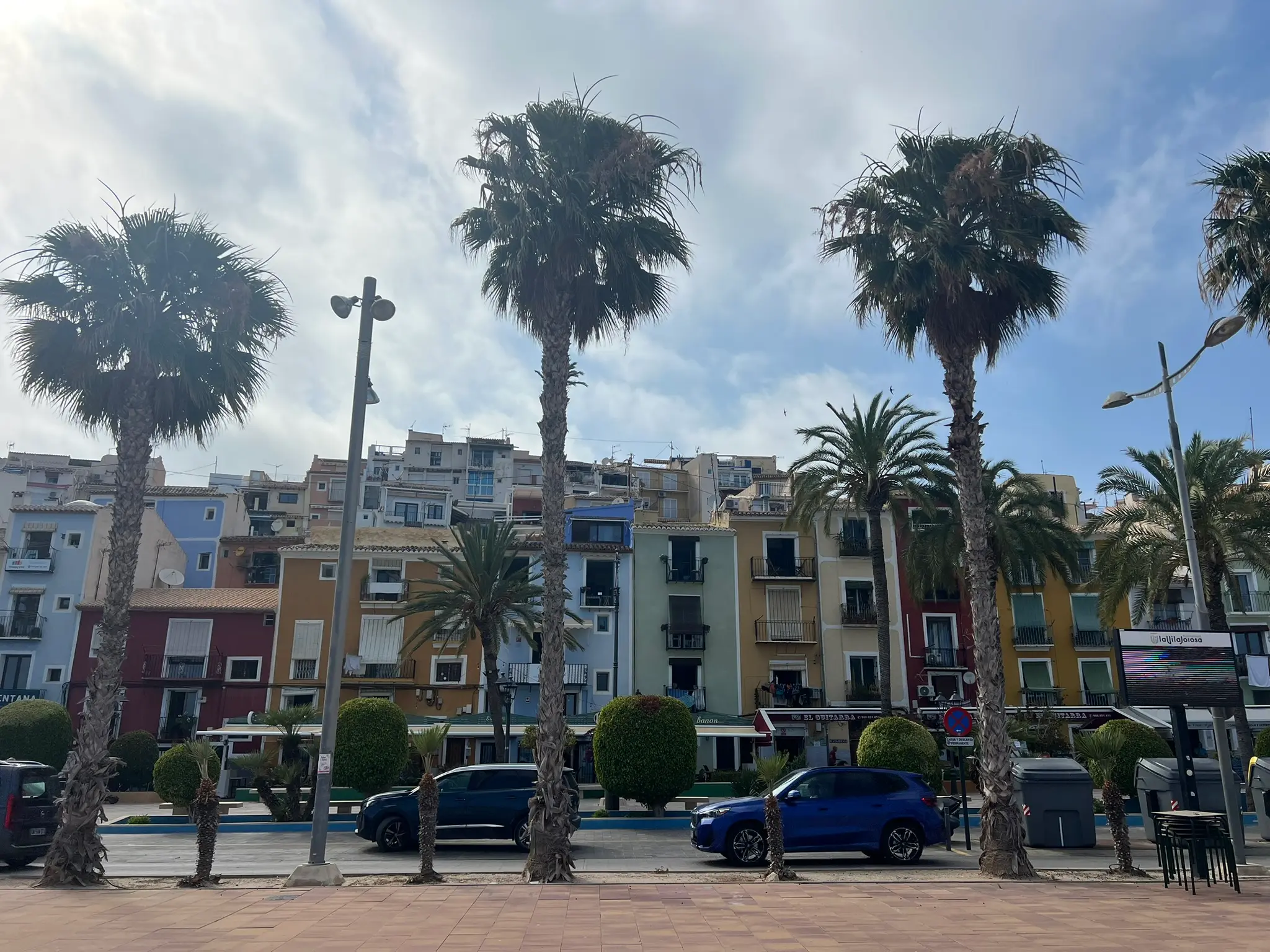
Day Trips from Alicante
The Costa Blanca doesn't end at the city limits. Castles, coves, mountain towns — all within an hour.
Explore Day Trips→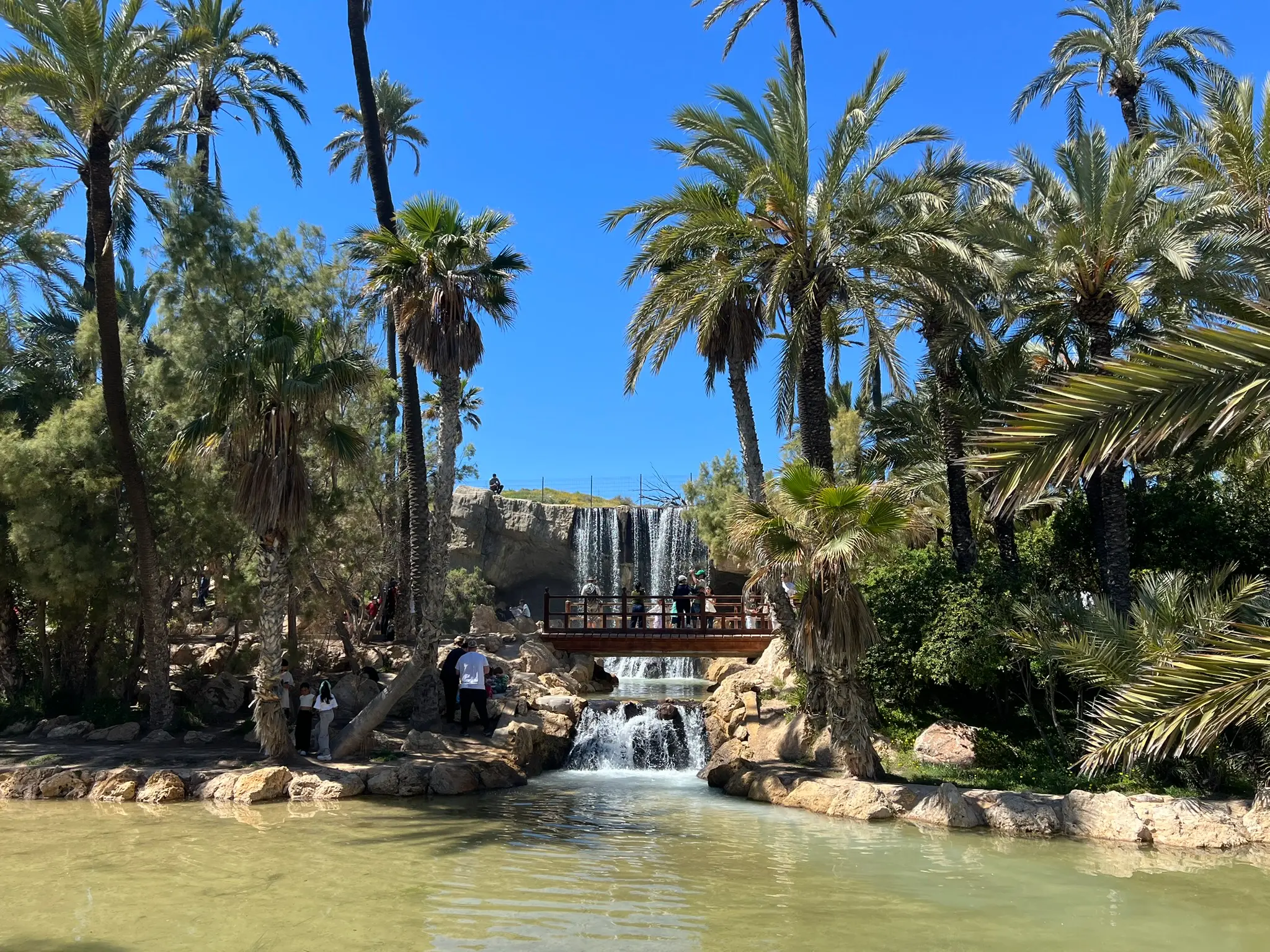
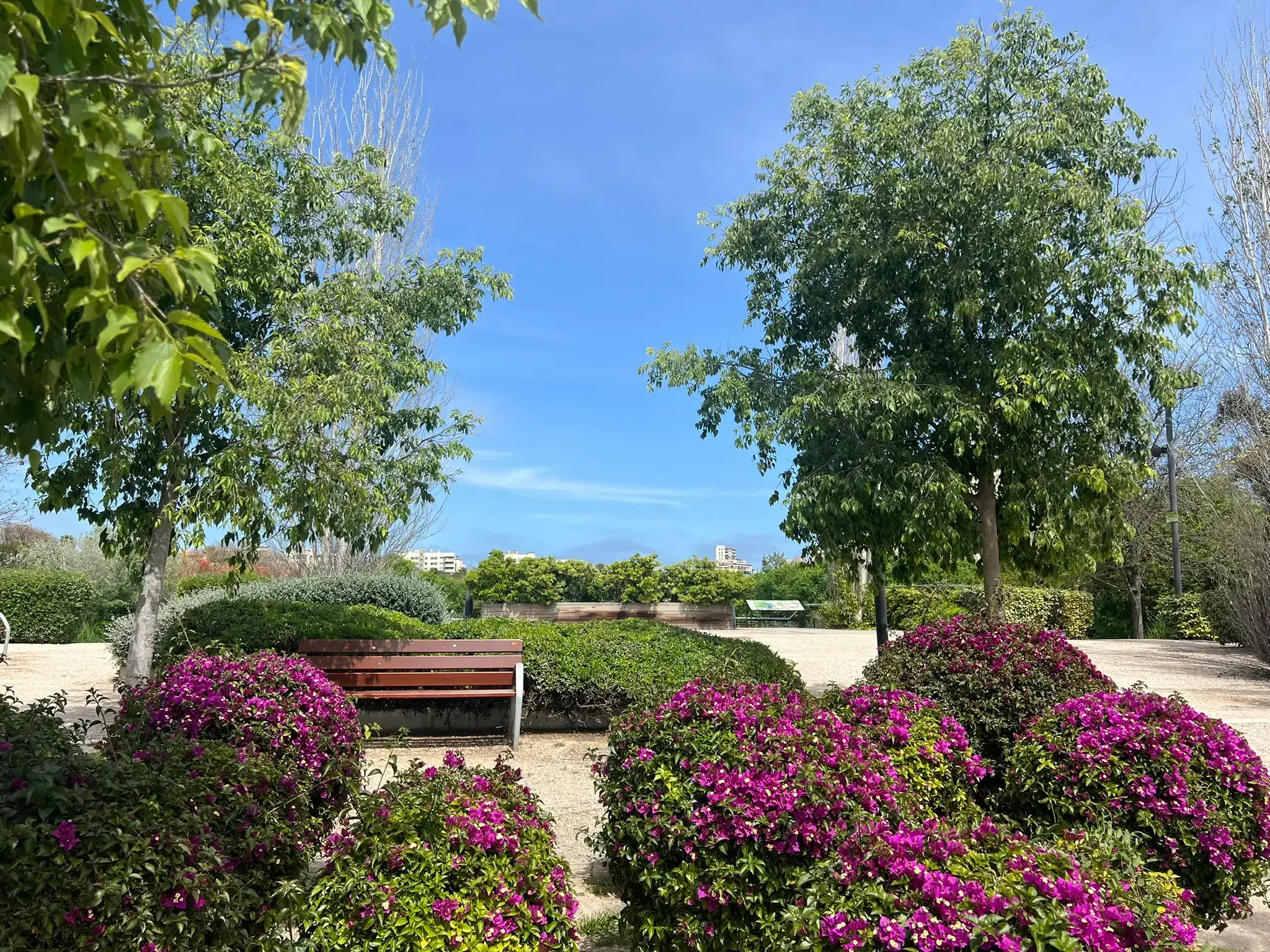
Parks & Nature in Alicante
The green spaces, coastal paths, and quiet corners of Alicante that most visitors walk straight past.
See all parks & nature→

Journal
First-hand notes on living, eating, and getting around Alicante — written by someone who actually lives here.
Read the journal→Stop Guessing. Start Planning.
A small selection of tools that make Costa Blanca travel easier. Some links are affiliate — meaning I earn a small commission if you book, at no extra cost to you. I only include services I'd genuinely recommend.
Where to Stay in Alicante
Hotels, apartments, and villas across the Costa Blanca. Summer fills up fast — the good spots go first.
Book NowFlights to Alicante
Alicante Airport (ALC) connects to most major European cities year-round. Compare and lock in the best price before it moves.
Search FlightsRent a Car in Alicante
The Costa Blanca stretches 200km. A rental car is the only way to actually see it — buses don't go where the good stuff is.
Rent a CarTours & Excursions in Alicante
Day trips, boat tours, and guided excursions across the Costa Blanca — handpicked and worth your time.
Explore Tours
Hi, I'm Petro, the face behind Alicante Compass.
This guide is free and always will be. Running it takes time, fuel, and a lot of coffee — researching places that don't show up on Google Maps, verifying details that other sites get wrong, and writing guides I'd actually want to read myself. If Alicante Compass has saved you time, money, or given you one moment worth remembering — I'd be grateful for your support. Every contribution keeps me on the road and the content free for everyone.
Fuel the CompassAsk Petro Directly
No question is too small. If you can't find the answer on the site, send me a message — I'll get back to you personally.