Alicante Compass
Where to Live in Alicante — And Where to Avoid
Not all parts of Alicante feel the same. Some are loud, some are quiet, some are overpriced — and some you'll want to avoid altogether. Here's what living in each one is actually like.
Choosing the wrong neighbourhood in Alicante is one of the most expensive mistakes you can make — financially and emotionally. I know, because nobody helped us when we moved here with our family. I've done my best to cover the most popular neighbourhoods in the city — the good, the average, and the ones you should probably avoid. This guide is what I wish had existed back then. Some neighbourhoods below are highlighted in red. I think you can guess why.
San Juan Playa — Living in Alicante's Best Beach Neighbourhood
What It's Like to Live in San Juan Playa
If your idea of moving to Spain involves wide sandy beaches, modern apartments with pools, and a relaxed pace that actually sticks around all year — San Juan Playa is where you want to look. This is Alicante's most upscale coastal district, and it feels completely different from the city centre. Life here is cleaner, quieter, and more spread out. People jog along the promenade in the mornings, cycle down palm-lined avenues, and take their time over coffee at terrace cafes. It's suburban in the best sense of the word.
Why Expats Choose to Live in San Juan Playa, Alicante
The Beach.Three kilometres of fine golden sand, well-maintained and far less crowded than Postiguet in the city centre. In summer it fills up — but it's big enough to handle it.
Schools & Amenities. San Juan has some of the best school options in the Alicante area, both public and private. Add to that well-equipped gyms, a strong selection of supermarkets including SuperCor and Mercadona, and you have everything a family needs without driving into the city.
The TRAM.You don't strictly need a car. Lines 3, 4, and 5 run directly through the neighbourhood, getting you to Alicante city centre in around 15–20 minutes. For everything else — the airport, other beaches, day trips — a car makes life easier.
PAU 5 — The Newest Part of San Juan Playa. If you want the most modern housing in the entire Alicante area, PAU 5 is where to look. Built in recent years, this urban development within San Juan Playa features wide tree-lined streets, brand new residential complexes with pools and underground parking, and a level of finish that stands out even by San Juan standards. It comes with the highest price tag in the neighbourhood — but for those relocating from London, Amsterdam or Stockholm, the value for money is still hard to beat.
Safety.San Juan Playa is one of the safest areas to live in Alicante. It's a family-oriented neighbourhood and that shows in the atmosphere, day and night.
The Downsides of Living in San Juan Playa
The Price Tag.This is the most expensive area to rent or buy property in Alicante. A two-bedroom apartment will typically start from €2,500 per month for long-term rental — short-term and holiday lets will cost considerably more. Prices go up quickly the closer you get to the beach. You are paying for the location, the modern infrastructure, and the lifestyle — and most people here feel it's worth it.
Quieter in Winter.Between November and March the neighbourhood slows down noticeably. Some beachside bars and seasonal businesses close. It doesn't shut down completely, but if you need year-round buzz, you'll want to spend some evenings in the city centre.
Is San Juan Playa Right for You?
San Juan Playa is the right choice if you're moving to Alicante with a family, working remotely with a comfortable budget, or simply want to live close to one of the best urban beaches in Spain without giving up access to city life. It's not the cheapest option — but for what it offers, it's hard to argue with.
Alicante Centro — What It's Really Like to Live in the City Centre
What It's Like to Live in Alicante Centro
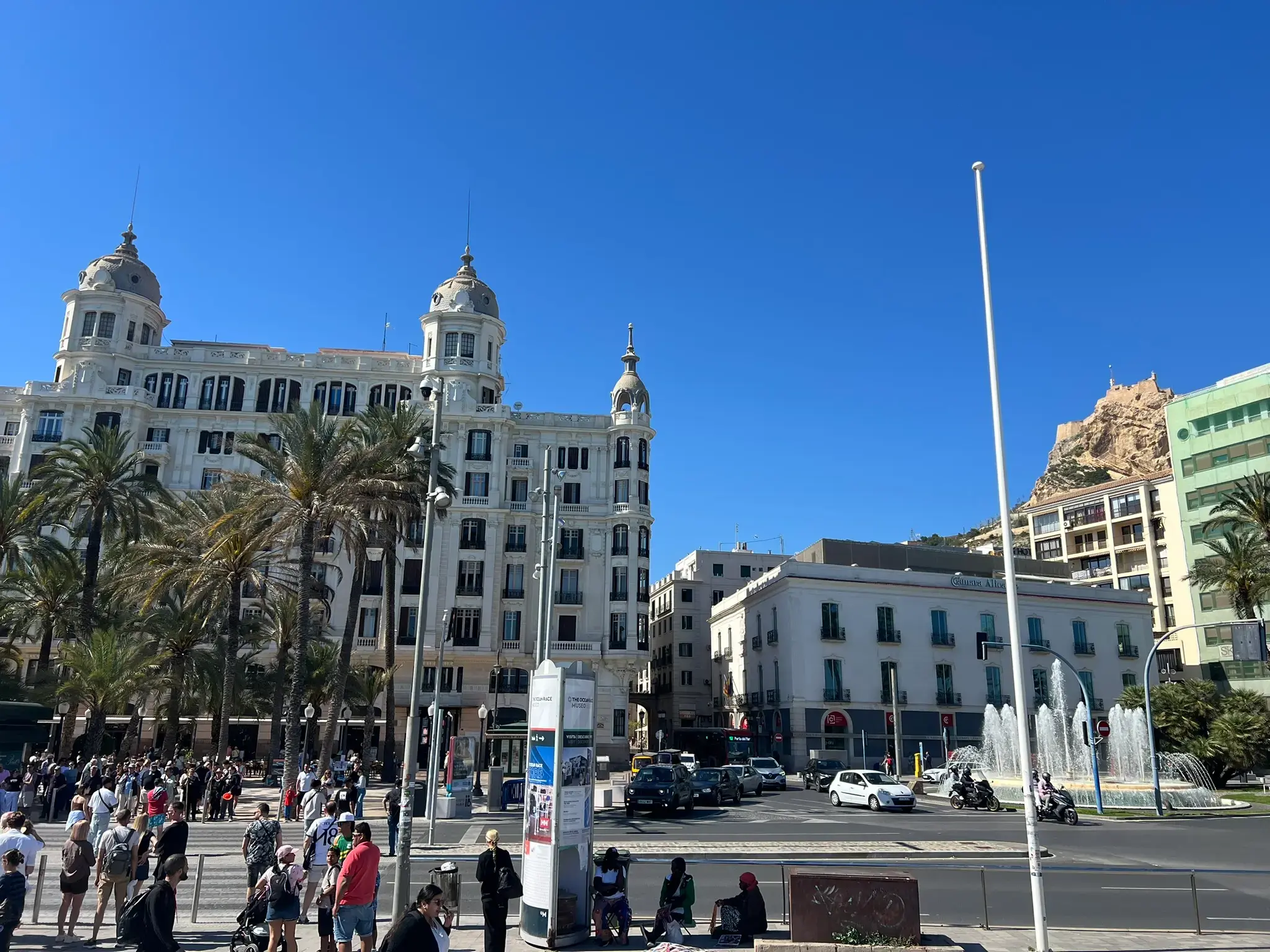
If you want an urban lifestyle on a Mediterranean scale — Centro is where you look. This is the commercial and financial heart of Alicante, defined by grand avenues like Avenida Alfonso El Sabio and Avenida Maisonnave, high-street shopping, and beautiful plazas. Living here means being surrounded by upscale office buildings, busy locals, and the city's best restaurants. It feels distinctly urban, polished, and sophisticated — while still being just a 10–15 minute walk from Postiguet Beach. Not many city centres in Europe can offer that combination.
Why Expats and Professionals Choose to Live in Alicante Centro
Transport & Connectivity.Centro is Alicante's transport hub. Plaza de los Luceros — the main TRAM station — and the RENFE Train Station are both right here. From Centro you can reach the airport in under 20 minutes, connect to coastal towns along the Costa Blanca by TRAM, or jump on a high-speed train to Madrid. If you are relocating to Alicante without a car, this is the neighbourhood that makes that genuinely workable.
Shopping & Dining. Centro is home to both of Alicante's El Corte Inglés department stores, all major international brands, and the famous Mercado Central— one of the best covered markets in the Valencia region for fresh local produce. The food scene is strong: trendy brunch spots, traditional bakeries, wine bars, and some of the city's most established restaurants are all within walking distance.
The Buildings. Properties in Centro are mostly spacious mid-century apartments built in the Ensanche style — solid concrete structures with proper insulation, elevators, and occasionally underground parking. A significant upgrade on the crumbling charm of the Old Town, and generally better value per square metre than San Juan Playa.
Medical & Services Proximity.Centro is home to the Hospital General Universitario de Alicante — along with a dense network of private clinics, pharmacies, and specialist practices. For bureaucratic needs, it's equally well placed: NIE appointments, social security offices, and the tax office are all either here or a short walk away. If you are navigating Spanish administration for the first time, living in Centro saves you significant time and stress.
The Downsides of Living in Alicante Centro
The Tardeo Noise.Tardeo is a Spanish tradition unique to the Alicante region — it translates roughly as “afternoon drinks”, and in Centro it means serious crowds. Every Friday and Saturday from around 5pm, areas around Calle Castaños fill up with locals drinking, eating, and socialising well into the evening. If your apartment windows face these streets, your weekends will not be quiet. This is not a complaint — it's part of what makes Alicante feel alive. But it's worth knowing before you sign a lease.
Traffic & Pollution.Avenida Alfonso El Sabio and Avenida Maisonnave carry heavy traffic, bus routes, and emergency vehicles throughout the day. During peak summer months the combination of heat, exhaust, and noise can feel overwhelming if you're not used to city living.
Lack of Green Space. Apart from Plaza Gabriel Miró and Plaza de la Montañeta, Centro is mostly stone and asphalt. If you have dogs, children who need open space, or simply value greenery in your daily life — you will feel this limitation. The nearest proper parks are a tram or bus ride away.
Rental Prices in Alicante Centro
Renting in Alicante Centro is more affordable than San Juan Playa but still reflects the central location. Expect to pay from €1,200 per month for a two-bedroom apartment on a long-term contract — short-term and furnished lets will cost considerably more. Prices vary significantly depending on the floor, whether there is a lift, and proximity to the main avenues.
Is Living in Alicante Centro Right for You?
Centro is the right choice if you are a working professional, a digital nomad who needs urban energy, or a retiree who values flat streets, medical proximity, and not needing a car for anything. It's also the most practical base for anyone still navigating Spanish bureaucracy in their first year. It's not the place for quiet mornings and green spaces — but if you want Alicante at full volume, this is where you live it.
Casco Antiguo Alicante — Historic Charm, Nightlife, and the Truth About Living Here
What It's Like to Live in Casco Antiguo
If your vision of Spain includes cobblestone streets, whitewashed houses covered in flowers, hidden plazas, and living under the shadow of a medieval castle — Casco Antiguo is your visual paradise. Tucked between the city centre and the slopes of Mount Benacantil, home to Santa Bárbara Castle, this is the oldest and most atmospheric neighbourhood in Alicante.
By day it is a quiet, postcard-perfect village inside a city. Elderly locals sit outside their doors, tourists stop to photograph every corner, and the pace of life feels genuinely different from the rest of Alicante. By night — particularly Thursday to Saturday — the lower section transforms into El Barrio, the undisputed capital of Alicante's late-night bar and club scene. These are two completely different places sharing the same postcode.
Why Expats and Investors Are Drawn to Casco Antiguo Alicante
Unbeatable Character. No other neighbourhood in Alicante comes close aesthetically. The colourful houses, traditional tilework, narrow alleys, and historic architecture give it an old-world soul that no modern development can replicate. If you want to feel like you actually live in Spain — not just in a Spanish apartment complex — this is the neighbourhood that delivers it.
Tourist Rental Potential. For property investors, Casco Antiguo is one of the most lucrative areas in Alicante. Tourists actively want to stay here. A property with a valid tourist licence — licencia turística — commands strong occupancy rates and high nightly yields during summer and holiday periods. The demand is consistent and the location sells itself.
Five Minutes from the Beach. Walk out of your historic apartment and you can have your feet on Playa del Postiguet within five to ten minutes. For a neighbourhood this central and characterful, that proximity to the sea is genuinely remarkable.
The Downsides of Living in Casco Antiguo Alicante
The Weekend Noise. If your apartment sits in the lower part of the Old Town — near Calle Labradores, Plaza San Cristóbal, or Calle San José — sleep on weekends is a luxury. Bars stay open late, crowds spill onto narrow pedestrian streets, and the stone alley acoustics amplify every voice, every bassline, and every late-night conversation directly into your bedroom. This is not an occasional inconvenience. It is every Friday and Saturday night, every week of the year.
The Accessibility Problem. Casco Antiguo is famous for its hills and stairs. Many streets are fully pedestrianised and too narrow for vehicles. No taxi at your door. No grocery delivery to your kitchen. No parking anywhere nearby. Getting home with shopping bags after a long day is a genuine physical challenge — and in July heat, it is something else entirely.
The Buildings. These properties are old — often over a century. Wooden structural beams, damp from sea air, walls that have never been properly insulated, and floor plans that make installing a lift physically impossible. A renovated exterior often conceals interior infrastructure that needs complete replacement. Budget accordingly before you fall in love with the views.
Santa Cruz vs. El Barrio — Two Very Different Lives
El Barrio — The Lower Section. Flat, commercial, packed with restaurants, bars, and clubs. Excellent for short-term stays and nightlife lovers. Genuinely difficult for anyone trying to live a normal, quiet daily life. The atmosphere after midnight on weekends needs to be experienced before committing to a lease here.
Santa Cruz — The Upper Section. The iconic steep residential area with the white-and-blue houses and castle views. Significantly quieter — bars are not permitted up here — but the climb to your front door is steep, unrelenting, and non-negotiable. For anyone with mobility issues, this eliminates Santa Cruz entirely.
Is Living in Casco Antiguo Alicante Right for You?
The right person will love it. The wrong person will leave within three months. Casco Antiguo works brilliantly for young singles, digital nomads staying for a season, and short-term property investors with an existing tourist licence. It does not work for families with young children, anyone with mobility issues, light sleepers, or anyone who needs a car parked nearby. Be honest with yourself about which category you fall into before you sign anything.
Insider Warning
Alicante has strict regulations around new tourist licences in the historic centre. Large parts of Casco Antiguo are designated as a ZAS zone — Zona Acústicamente Saturada, or Acoustically Saturated Zone — which places additional restrictions on both noise and new rental licences. Never buy a property in Casco Antiguo assuming you can obtain a tourist licence after purchase. If the property does not already have a fully legal, grandfathered licence attached to the sale, treat it as a residential property only — and price it accordingly.
Albufereta Alicante — Sea Views, Rocky Coves, and a Quieter Way to Live
What It's Like to Live in Albufereta
If you want to wake up every morning, look out your window, and see nothing but the Mediterranean — without paying San Juan Playa prices — Albufereta is where you look. Located just a few minutes north of the city centre, this neighbourhood is a unique mix of mid-century high-rises, rocky coves, and a charming sandy beach. It has a distinctly nautical, retro-Spanish coastal feel. Relaxed and residential, yet close enough to see the Alicante skyline and Santa Bárbara Castle right from the waterfront. For many expats living in Alicante, Albufereta ends up being the sweet spot they didn't know they were looking for.
Why Expats Choose to Live in Albufereta, Alicante
Sea Views for Less. This is the biggest selling point of living in Albufereta. Because most buildings here were constructed during the Spanish tourism boom of the 1970s and 80s, they sit practically on top of the water. You can find apartments with panoramic Mediterranean views at a significantly lower price per square metre than in PAU 5 or San Juan Playa — often with the same or better sea frontage.
The Location Sweet Spot. Albufereta sits on the coastal road heading north out of Alicante towards San Juan Playa. The historic city centre is 5 minutes away by car or TRAM. San Juan Playa is around 10–12 minutes further up the coast. You get the quiet of a residential coastal neighbourhood with quick access to the city in one direction and the wider Costa Blanca in the other.
Las Calas — Hidden Coves on Your Doorstep.Beyond Playa de la Albufereta, the coastline opens up into a series of rocky inlets known as Las Calas. If you paddleboard, snorkel, kayak, or simply want to swim away from tourist crowds — this stretch of coastline is genuinely hard to beat. It's one of the most underrated parts of living in Alicante.
Investment Potential. Albufereta is one of the most interesting neighbourhoods in Alicante for property investment. First-line sea view apartments at mid-market prices, strong rental demand from tourists and long-term expats, and a location that appeals to both — the fundamentals are solid. If your goal is to buy a property in Alicante that generates income, this area deserves serious attention.
The Downsides of Living in Albufereta
Older Building Stock. Many of the towers overlooking the sea are 40–50 years old. Most have been well maintained and have lifts, but communal areas can feel dated and individual apartments often need a full renovation to meet modern open-plan standards. Factor renovation costs into your budget if you are buying rather than renting.
The Road & TRAM Divide.Albufereta is physically split by the Avenida de Dénia and the TRAM tracks running out of Alicante. Depending on where your building sits, getting from your front door to the sand may involve underground tunnels or pedestrian bridges. It's manageable — but worth checking before you commit to a specific property.
No Town Centre Feel. Albufereta is a residential neighbourhood, not a village. There is no grand central plaza, no main pedestrian shopping street, no high street. For serious shopping or high-end dining, you will head to the Vistahermosa commercial area or into the city centre. If you need that daily buzz within walking distance, Centro will suit you better.
Rental Prices in Albufereta Alicante
Renting in Albufereta sits comfortably below San Juan Playa while still reflecting the sea views and coastal location. Expect to pay from €1,100 per month for a two-bedroom apartment on a long-term contract — first-line properties with direct sea views will sit at the top of that range or above. Short-term and holiday lets cost considerably more, which is exactly why the area attracts property investors.
A Note on Tourist Licences
If you are buying in Albufereta with the intention of renting short-term, do your research before you sign. Some older complexes have strict community rules banning tourist licences — licencia turística — while others are completely expat and investor friendly. The building matters as much as the location. Get proper legal advice before committing.
Is Living in Albufereta Alicante Right for You?
Albufereta is the right choice if you are a couple looking for a quieter coastal base, a retiree who wants Mediterranean views without the premium price tag, or an investor looking for a property in Alicante that earns its keep. It won't suit everyone — it lacks the modern infrastructure of San Juan and the urban energy of Centro. But for front-line sea living at a price that still makes sense, very few neighbourhoods in Alicante come close.
PAU 1 Alicante — Modern Family Living at Its Best
What It's Like to Live in PAU 1
If San Juan Playa is the king of the Alicante coastline, PAU 1 — centred around the vast Plaza Juan Pablo II — is the king of modern urban living in the city. Built almost entirely in the late 2000s and 2010s, this neighbourhood looks and feels completely different from the rest of Alicante.
No crumbling 1960s facades. No narrow claustrophobic streets. No walk-up apartments without lifts. PAU 1 is defined by wide avenues, large green parks, and modern gated residential complexes — urbanizaciones — with swimming pools, padel courts, and underground parking. It is clean, quiet, highly organised, and predominantly populated by middle-to-upper-class Spanish families and corporate expats. If you are relocating to Alicante with a family and want to feel settled from day one, this neighbourhood makes that easier than anywhere else in the city.
Why Families and Expats Choose to Live in PAU 1 Alicante
Modern Construction. This is the defining advantage of PAU 1. Buildings here are genuinely modern — proper soundproofing, double-glazed windows, central air conditioning, large terraces, and lifts that go directly down to your underground garage. After spending time looking at 1970s apartment blocks in other parts of Alicante, PAU 1 feels like a different country.
Plaza Juan Pablo II & Green Space. The central plaza is one of the largest and best-maintained public spaces in Alicante. Every evening it fills with families, children on bikes, dogs, and locals walking circuits around the fountains. If you have young children or pets, this is arguably the safest and most practical neighbourhood in the entire city for daily outdoor life.
Top Schools. PAU 1 is one of the strongest areas in Alicante for education. Several strong concertado and public school options are within easy reach. For families where school choice drives the relocation decision, PAU 1 consistently comes out on top.
Central Without Feeling Central. PAU 1 has the feel of a peaceful suburb but sits closer to the city centre than it appears. The RENFE train station and Avenida Maisonnave are around five minutes by car. On foot through San Blas it takes closer to 25–30 minutes — manageable, but most residents here drive.
The Downsides of Living in PAU 1 Alicante
Car Dependency. PAU 1 was built around the car and it shows. Streets are wide and spread out. Bus connections exist but there is no TRAM line here. Without a car, getting to Postiguet Beach, the city centre, or doing a serious supermarket run requires planning. For expats used to walkable urban living, this is a genuine adjustment.
No Old Spain Soul. PAU 1 is modern, clean, and well organised — and that comes at the cost of character. There are no traditional tapas bars on every corner, no bustling street markets, no historic architecture to look at from your window. On quiet winter evenings it can feel sterile. For dining out or high-street shopping, you will almost always leave the neighbourhood.
No Bargains. The quality of housing in PAU 1 is high and the market knows it. There are no cheap entry points here — prices have risen significantly over recent years driven by consistent demand from local professionals and relocating families. If budget is a primary concern, PAU 1 will push you towards other areas.
Is Living in PAU 1 Alicante Right for You?
PAU 1 is the closest thing Alicante has to a flawless family neighbourhood. If your priorities are safety, modern housing with outdoor space, excellent schools, and a clean and quiet environment — this delivers on all of them. It will not suit digital nomads looking for urban energy, retirees who want a sea view from their terrace, or anyone who needs to live without a car. But as a practical, high-quality base for family life in Alicante, very few areas come close.
Insider Note
PAU 1 is one of the most stable property markets in Alicante. It does not rely on tourism — it relies on local upper-middle-class demand from doctors, lawyers, engineers, and corporate professionals. That means no seasonal price drops, no tourist licence complications, and a tenant profile that most landlords actively prefer. For investors looking for long-term, low-hassle rental income rather than holiday let yields, PAU 1 deserves serious consideration.
Carolinas (Altas & Bajas) — The Real, Raw Alicante
What It's Like to Live in Carolinas
If you want to experience Alicante the way locals actually live it — without the polished tourist veneer of Centro or the vacation-home isolation of San Juan Playa — Carolinas is the epicentre. Divided into Carolinas Bajas, closer to the city centre, and Carolinas Altas, further up the hill, this is one of Alicante's largest and most historically working-class districts.
Life here is lived on the streets. High-density, packed with traditional Spanish apartment blocks, fruit shops, bakeries, and local tapas bars where the owner knows every regular by name. The energy is vibrant, multicultural, and fiercely authentic. It is also gritty, unpolished, and intensely chaotic — sometimes on the same street.
Why Some Expats Choose to Live in Carolinas Alicante
Location vs. Price. Carolinas Bajas is a 10-minute walk from Alicante Centro and the Mercado Central. Carolinas Altas is further up but well connected — TRAM Line 2 runs directly through the neighbourhood. You get near-central living at a fraction of the cost of coastal districts like San Juan Playa.
Real Neighbourhood Life.Unlike the isolated northern projects, Carolinas has genuine local infrastructure. The Mercado de Carolinas offers fresh produce daily. The famous Plaza de Toros marks the district's edge. Local bars, bakeries, and fruit shops line almost every street. This is a real community — dense, loud, and completely alive.
Investment Entry Point. For property investors looking for steady long-term rental yields from working-class families and young professionals, Carolinas is often the most viable entry point in Alicante. Rental demand here is permanent and consistent. Purchase prices remain accessible compared to coastal areas.
The Catch — Why Carolinas Requires a Block-by-Block Approach
Carolinas is Alicante's ultimate chameleon neighbourhood. You can stand on a quiet, well-maintained street with renovated buildings, turn the corner, and find yourself facing a neglected block with broken entry doors, overflowing bins, and crumbling facades. The quality of life in Carolinas is not about the district — it's about the specific street, the specific building, and sometimes the specific floor.
The Lift Crisis. The vast majority of buildings here were constructed during the mid-20th century boom. Most are four or five storeys high with no lift. Climbing to a fourth floor apartment in July with groceries is an experience. For retirees or anyone with mobility issues, this eliminates most of the available stock immediately.
The Parking Problem. Streets in Carolinas were designed long before cars existed. They are narrow, one-way, and permanently at capacity. Without a dedicated garage space, expect to spend 20–30 minutes every evening circling blocks looking for somewhere to park. Factor the cost of a garage into any budget calculation.
The Noise.Acoustic insulation in older Carolinas buildings is practically non-existent. You will hear your neighbour's television through the wall, scooters racing down narrow street canyons, and late-night conversations from the pavement below. If you are a light sleeper, this matters enormously — and it needs to be tested, not assumed.
Carolinas Bajas vs. Carolinas Altas
Carolinas Bajas is the more desirable half. Flatter terrain, more gentrified streets, closer to the cultural and commercial centre, and generally safer after dark. Expats who do choose Carolinas almost always end up here.
Carolinas Altas is steeper, denser, and noticeably more multicultural. Pockets heading towards Virgen del Remedio begin to feel neglected, and the atmosphere shifts. The areas immediately around the TRAM line remain active and functional — but the further you move from it, the more careful you need to be about the specific block.
Is Living in Carolinas Alicante Right for You?
Maybe — but only if you do your homework properly. Carolinas is a genuine option for young expats, digital nomads on a tighter budget, and property investors looking for cash-flow rentals. It is not recommended for retirees who struggle with stairs or hills, families looking for quiet green spaces, or anyone expecting a manicured coastal lifestyle.
The neighbourhood has real character and real community. It also has real challenges. Whether those challenges are worth the savings depends entirely on the specific street, the specific building, and how honestly you assess what you actually need from daily life in Alicante.
Insider Warning
Never buy or sign a long-term lease in Carolinas without visiting in person — twice. Walk the exact street at 3pm and again at 10pm. The difference in noise level, street cleanliness, and overall atmosphere between two parallel streets can be dramatic. What looks acceptable in daylight can feel completely different after dark. This is not optional due diligence. In Carolinas, it is essential.
La Florida Alicante — Safe, Affordable, and Completely Unpretentious
What It's Like to Live in La Florida
If you are tired of real estate agents pushing chaotic streets in Carolinas or overpriced apartments in Centro, La Florida will eventually appear on your radar. Located in the western, purely residential part of Alicante, this is a dense, traditional Spanish working-class neighbourhood with zero tourist veneer.
No palm trees blowing in the sea breeze. No boutique hotels or craft coffee shops. Instead, you get a hard-working, multi-generational Spanish community mixed with working expats. Streets arranged in a strict grid. Buildings that are uniform and functional. Life that revolves around local ferreterías, traditional bakeries, and older men playing dominoes in the plaza. Unpretentious, functional, and intensely local — and for the right person, that is exactly what they are looking for.
Why Expats on a Realistic Budget Consider La Florida Alicante
Safe Without the Premium Price. This is the defining selling point of La Florida. It is a humble, blue-collar neighbourhood — but it has none of the danger, tension, or crime rates associated with the northern districts like Juan XXIII or Virgen del Remedio. It is a genuinely safe place to walk at night. For families who cannot stretch to PAU 1 or San Juan Playa but refuse to compromise on personal security, La Florida fills that gap better than anywhere else in Alicante at this price level.
Plaza de la Viña.The true heart of the neighbourhood. A large, lively square lined with family-run cafes, ice cream parlours, and children's play areas. It gives an otherwise concrete district a much-needed community hub where people actually gather — morning, afternoon, and evening. Properties close to Plaza de la Viña are consistently the most desirable in the area.
Mercado de la Florida.You don't need to travel to the Mercado Central. La Florida has its own indoor market where fresh fish, meat, and vegetables are sold by vendors who have operated there for decades. It keeps the cost of daily living significantly lower than in the tourist-facing zones of the city.
The Downsides of Living in La Florida Alicante
No Coast. If you are moving to Alicante dreaming of morning walks to the beach, La Florida will disappoint. This is a firmly inland neighbourhood. Getting to Playa del Postiguet on foot takes 25–35 minutes through traffic and urban concrete. The commercial port infrastructure and main railway lines create a physical barrier between La Florida and the coastline that cannot be walked around quickly.
Summer Heat. La Florida is a maze of asphalt, brick, and concrete with very little green canopy. In July and August the neighbourhood traps heat with no coastal breeze to break it. Evenings can feel oppressively hot and heavy in a way that coastal districts like Albufereta or San Juan simply do not. If you are sensitive to heat, this matters more than most people anticipate before their first Alicante summer.
The Walk-Up Problem. The property stock here consists mostly of four and five storey blocks built in the 1970s. A high percentage of the affordable units you see listed online are sin ascensor — no lift. If a building has managed to retrofit one, the price reflects it immediately. Always confirm the lift situation before viewing.
The Ciudad de Asís Confusion.This is a specific warning for buyers. Some agents deliberately list properties located in the rougher, more neglected adjacent pocket of Ciudad de Asís under the name “La Florida” to mislead foreign buyers who don't know the difference. Always verify the exact address and check it on Google Street View before committing to a viewing.
Is Living in La Florida Alicante Right for You?
La Florida is a reliable, honest choice for expats who need safety and affordability in the same package — and are willing to trade the coast and the character for it. It will not satisfy anyone chasing a romantic Mediterranean lifestyle or historic architecture. But if your goal is to find a secure, functional Spanish neighbourhood to build your life from scratch without overpaying, La Florida is one of the most underrated options in Alicante.
Insider Note
If you are buying in La Florida to rent long-term, focus on blocks surrounding Plaza de la Viña or those bordering the better part of San Blas. Avoid properties directly facing Avenida de Orihuela — the constant bus and heavy vehicle traffic creates acoustic pollution that makes retaining quality long-term tenants significantly harder than the rental price would suggest.
Garbinet Alicante — Modern Family Living with a Tram at Your Door
What It's Like to Live in Garbinet
If PAU 1 is the modern king of Alicante's western suburbs and PAU 5 is the luxury beach option, Garbinet — specifically the stretch running up to the Gran Vía shopping centre — is the undisputed champion of practical, modern middle-class living in the north-east of the city.
Built mostly in the late 1990s and 2000s, this area is a genuine relief if you have spent any time looking at crumbling narrow streets in older districts. The architecture is defined by large residential complexes — urbanizaciones — with clean brick facades, communal swimming pools, interior gardens, and underground parking. Wide tree-lined avenues like Avenida de Bulevar del Pla give the area a breezy, organised feel. Populated almost entirely by Spanish professionals, young families, and mid-budget expats, it has the character of a neighbourhood that was properly planned rather than just built.
Why Families and Practical Buyers Choose to Live in Garbinet Alicante
Gran Vía Shopping Centre on Your Doorstep.Living in Garbinet means having one of Alicante's largest retail centres within a five-minute walk. A full-size Carrefour, international clothing brands, a food court, and dozens of shops cover virtually every daily and weekly need without requiring a car or a bus. For families managing busy schedules, this level of commercial proximity is a genuine time-saver.
TRAM Line 2. Unlike PAU 1 or Vistahermosa, Garbinet has excellent public transport. TRAM Line 2 runs directly through the boulevard, connecting the neighbourhood to Luceros in the city centre and the University of Alicante in San Vicente in around 10–12 minutes. For expats who want to live without a car — or reduce car dependence significantly — this is the feature that sets Garbinet apart from other modern residential districts.
Modern Planned Infrastructure. Around Plaza Médico Antonio Barbero and the surrounding boulevards, the neighbourhood offers modern public schools, private language academies, wide pedestrian pavements, clean parks, and a solid selection of local cafes and bakeries that serve residents rather than tourists. Everything works as it should and was designed to — which is not something you can say about every part of Alicante.
Safety. Garbinet is one of the safest and most predictable residential areas in the city. Street crime and social tension are virtually non-existent. It has the calm, organised character of a corporate family neighbourhood where people feel genuinely comfortable at any hour.
The Downsides of Living in Garbinet Alicante
The Gran Vía Traffic Ring. The massive roundabout surrounding the shopping centre and the main Vía Parque artery carry an enormous volume of traffic daily. Apartments facing the main ring or the boulevard directly are subject to a permanent soundtrack of cars, buses, and delivery vehicles. This is not occasional — it is continuous throughout the day and into the evening. Always check the specific orientation of any apartment before committing.
No Coastal Feel. Garbinet is firmly inland. Walking to Postiguet Beach or Albufereta from here takes 30–40 minutes through concrete and urban infrastructure. If you want to live here, you accept that a beach trip means a TRAM ride, a bus, or a car. The sea is close on a map — in daily life it requires a deliberate effort to reach.
Functional but Soulless. Garbinet is highly organised and extremely liveable — but it completely lacks historic charm. There are no century-old tapas bars, no cobblestone alleys, no architectural character to speak of. On winter evenings once the shops close, the wide residential avenues go quiet quickly. For expats who moved to Spain partly for the romance of old European city life, Garbinet will eventually feel like it is missing something.
Is Living in Garbinet Alicante Right for You?
Garbinet is one of the most logistically efficient neighbourhoods in Alicante. If you want modern housing with a pool and underground parking, need a TRAM line for car-free mobility, and want a major shopping centre within walking distance — Garbinet delivers all of it reliably. It will not suit digital nomads chasing historic nightlife or retirees who need a sea view from their terrace. But as a high-quality, practical base for family life in Alicante, it is exceptional.
Insider Warning
Be specific about building orientation when viewing apartments around the Gran Vía development. Units facing the inner courtyards of the urbanizaciones are quiet, private, and consistently the most desirable. Units facing the main highway ring suffer not just from noise but from significant dust and exhaust residue accumulating on terraces during peak summer months. Always prioritise inner-facing units — the difference in daily comfort and long-term property desirability is substantial.
Vistahermosa Alicante — Luxury, Privacy, and Life Behind Closed Gates
What It's Like to Live in Vistahermosa
If San Juan Playa is Alicante's premier coastal address, Vistahermosa is its prestigious green inland counterpart. Located just north of the city, nestled behind Albufereta, this neighbourhood is defined by privacy, low-density living, and a resident profile that sits firmly at the upper end of the income scale.
No high-rise holiday apartments. No tourists wandering the streets. Vistahermosa is a landscape of sprawling private villas, high-end gated communities hidden behind manicured hedges, tree-lined avenues, and top-tier private infrastructure. It feels exclusive, quiet, and distinctly wealthy — but it functions as a wealthy suburb, not a walkable Spanish town. That distinction matters enormously depending on what kind of life you are looking for.
Why High-Budget Expats and Professionals Choose Vistahermosa Alicante
Premium Gated Privacy. This is the defining selling point. If you want a large four-bedroom house with a private garden, or a luxury low-rise penthouse inside a complex with 24-hour security, padel courts, and a serious pool — without the summer tourist crowds of the beach — Vistahermosa is where you look. The level of privacy and space available here simply does not exist in the coastal or urban districts at any price.
Private Healthcare on Your Doorstep.Vistahermosa is home to two of Alicante's most highly regarded private hospitals — Hospital Quirónsalud and Hospital Internacional Medimar. For expats and retirees who rely on private health insurance rather than the public system, having this level of medical infrastructure within minutes of home is a significant quality-of-life advantage.
Shopping & Commercial Infrastructure.The neighbourhood sits between two of Alicante's largest retail centres — Gran Vía and Plaza Mar 2. Major supermarkets including Carrefour and Alcampo are minutes away. For day-to-day shopping, Vistahermosa is as well-served as anywhere in the city — as long as you have a car.
Safety. Vistahermosa ranks alongside San Juan Playa and PAU 1 as one of the safest and most secure postcodes in the province. The combination of low-density housing, gated communities, and a resident profile that attracts very little street crime makes it one of the most reassuring places to live in the entire Alicante area.
The Downsides of Living in Vistahermosa Alicante
Absolute Car Dependency. If you do not own a car, do not move to Vistahermosa. The neighbourhood was designed around driving. Streets are long, residential walls block pedestrian shortcuts, and public bus connections are slow and infrequent compared to the TRAM network. Walking to a café or bakery from your villa can easily become a 20-minute hike along a scorching pavement in summer heat. This is not a neighbourhood that forgives car-free living.
The Avenida de Dénia Problem. Vistahermosa is bordered and divided by Avenida de Dénia — the major multi-lane highway that serves as the main northern entrance to Alicante. Traffic here is relentless throughout the day. Properties too close to this artery trade the peaceful suburb experience for permanent acoustic pollution. The road sits in a slight valley, meaning traffic noise travels upwards and echoes off surrounding hillsides — affecting properties that look perfectly positioned on a map.
No Street Life. There is no historic centre, no central plaza, no traditional Spanish street life. On winter evenings the residential streets are completely quiet. If you value the energy of a walkable European neighbourhood — the spontaneous coffee, the corner bar, the market on a Saturday morning — Vistahermosa will feel sterile and isolating. It is a place to live well privately, not publicly.
No Direct Beach Access. Despite sitting directly behind Albufereta, you cannot realistically walk to the sea. The highway and the topography create a physical barrier. Getting your feet in the sand requires a five to ten minute drive. For a location this close to the Mediterranean, that disconnect is something worth thinking about seriously.
Is Living in Vistahermosa Alicante Right for You?
Vistahermosa is close to flawless for wealthy families and retirees who value privacy, space, and luxury over beach proximity and street life. It is the right choice for those who live life comfortably behind closed gates, own a car, want fast access to world-class private healthcare, and have a budget that matches the neighbourhood's expectations. It is absolutely not for digital nomads, anyone on a tight budget, or expats who want a walkable, car-free Mediterranean lifestyle.
Insider Warning
When viewing villas in Vistahermosa, pay close attention to the exact location and elevation relative to Avenida de Dénia. Because the road sits in a slight valley, traffic noise travels upward and echoes off the hillsides in ways that are not obvious from a floor plan or listing photos. A villa that looks peaceful on a map can suffer from a constant highway drone in the garden. Always do a sound check outside the property during peak traffic hours — 8:30am or 6:30pm — before signing anything.
San Blas Alicante — The Most Practical Neighbourhood Nobody Talks About
What It's Like to Live in San Blas
If you want to live close to the energy of Alicante's city centre without paying premium prices or dealing with tourist noise, San Blas will almost certainly become your default choice. Located just behind the main RENFE train station and stretching north toward PAU 1, this is a large, high-density residential district that functions as the city's most practical middle-ground.
It is a proper, living-and-breathing Spanish neighbourhood. It completely lacks the chaotic edge of Carolinas and the sterile car-dependent isolation of Vistahermosa. The streets are a busy mix of mid-century apartment blocks, traditional corner bars, vegetable shops, and leafy avenues. Safe, functional, and dynamic — a place where people actually live and work year-round, not just in summer.
Real estate agents often call it “an extension of the centre.” Sceptics call it “a concrete anthill next to the station.” The truth is somewhere in between — and for many expats relocating to Alicante on a realistic budget, it ends up being exactly what they needed.
Why Middle-Budget Expats Choose to Live in San Blas Alicante
True Walkability to Centro. This is the defining advantage of San Blas. From most parts of the neighbourhood you can walk to Avenida de Maisonnave or the central train station in 10–15 minutes. You get all the practical benefits of downtown living without paying the Centro premium. For expats who want to be connected to the city without being consumed by it, this is the sweet spot.
The Green Lung. Unlike many budget districts in Alicante that are pure concrete, San Blas has real green space. The linear park running along the old railway tracks — Parque de la Estación — provides a genuine outdoor corridor for running, walking dogs, and daily fresh air. In a city where parks are not always easy to find close to the centre, this is a meaningful quality-of-life asset.
Everyday Infrastructure.San Blas functions like a self-contained ecosystem. A strong selection of local supermarkets, excellent traditional bakeries, pharmacies, gyms, and some of the city's best public schools are all within the neighbourhood. You can cover most daily errands without leaving the district.
Safety. San Blas is dense and working-to-middle class — but it is highly family-oriented and genuinely safe. The street life is predictable and respectable. It sits in an entirely different category from the northern districts and shares the low-crime character of Centro and PAU 1.
The Downsides of Living in San Blas Alicante
The Railway Noise Trap.San Blas wraps tightly around the northern side of Alicante's main train lines. Property listings never mention this — but the constant hum, shunting, and occasional screeching of trains is a serious issue if your apartment faces the tracks or sits in the lower southern grid of the district. This needs to be tested in person, not assumed from a floor plan.
Parking Warfare.If you own a car and don't have a dedicated garage space — plaza de garaje — San Blas will test your patience daily. Streets are narrow and permanently at capacity. Finding free street parking after 7:30pm can take 30 minutes of circling. Factor the cost of a garage into your budget from day one — it is not optional here.
Tired Building Stock. The vast majority of buildings were constructed during the housing booms of the 1960s and 70s. Thin walls, outdated plumbing, and the classic Alicante lottery — third or fourth floor sin ascensor. Buildings that have managed to retrofit a lift often have tiny cabins squeezed into the original stairwell. Always confirm lift access before viewing.
No Coastal Feel. San Blas is firmly inland. Walking to Playa del Postiguet takes 25–35 minutes on flat ground — doable, but you will feel no sea breeze from your window and see no Mediterranean views from your terrace. It feels like a solid Spanish city neighbourhood, not a coastal destination. If the sea is central to your daily life, San Blas will eventually feel like a compromise.
Is Living in San Blas Alicante Right for You?
San Blas is the most practical, balanced starting point for expats relocating to Alicante on a realistic budget. It will not give you the romantic Mediterranean lifestyle or historic charm. But if your goal is a safe, walkable, traditional Spanish neighbourhood where you don't need a car to survive and can reach the city centre on foot, San Blas is incredibly hard to beat for value.
Insider Warning
When searching for a home in San Blas, draw a clear mental line across the district. The southern part — closest to the train station — is older, noisier, and has a lower percentage of buildings with lifts. The northern and western part, closer to Santo Domingo and the border with PAU 1, is newer, has wider streets, better building quality, and significantly easier access to modern urbanizaciones. If your budget allows any flexibility at all, push further north away from the tracks. The difference in daily comfort is not subtle.
Juan XXIII Alicante — Why Cheap Property Here Is Never a Bargain
What It's Like to Live in Juan XXIII
If you search for property in Alicante on Idealista or Fotocasa and sort by lowest price, Juan XXIII will immediately flood your screen. Three-bedroom apartments for €40,000. Sometimes €30,000 or less. To someone arriving from London or Amsterdam, this looks like an extraordinary opportunity.
There is a reason these properties are this cheap.
Located in the northern part of the city, Juan XXIII is one of Alicante's most economically and socially deprived districts. A neglected post-war housing project that has never fully recovered, it feels completely disconnected from the coastal lifestyle that brings people to the Costa Blanca in the first place.
Why Property in Juan XXIII Is So Cheap
Crime & Social Issues. Juan XXIII has a long-standing reputation for high unemployment, drug trafficking, and petty crime. During the day it is navigable. After dark, the atmosphere changes significantly — and for families or single expats arriving from abroad, it can feel genuinely unsafe.
The Okupa Problem. Juan XXIII is one of the most affected areas in Alicante for okupas — illegal squatters. Many apartments here belong to banks or absentee investors and are frequently broken into and occupied. If you buy a property here and leave it empty for a few weeks, there is a very real risk someone else will be living in it when you return. Evicting okupas in Spain is a long, expensive, and deeply stressful legal process.
Zero Capital Growth. Property here is cheap and it will stay cheap. Spanish banks are frequently reluctant to grant mortgages for properties in this postal code — which makes reselling your apartment in the future extremely difficult. You are not buying an investment. You are buying a problem.
The Everyday Reality
Vandalism & Neglect.Communal areas are frequently vandalised. Lifts are broken or non-existent. Entry doors don't lock properly. Streets suffer from litter and inconsistent municipal maintenance. This is not a neighbourhood that is improving — it has looked this way for decades.
No Expat Infrastructure. There are no international schools, no English-speaking medical practices, no trendy cafes or coworking spaces. Amenities are basic and catered strictly to a low-income local population. For someone relocating from abroad, building any kind of expat community here is virtually impossible.
Rental Prices in Juan XXIII Alicante
Long-term rents start from €400–€550 per month — and even at that price, it is a bad deal. The hidden costs in terms of safety, stress, and lack of security make the savings meaningless. Short-term and tourist rentals are practically non-existent here. No tourist chooses to stay in this part of Alicante when better options exist at every price point.
Is Juan XXIII Right for You?
No. Regardless of how tempting the numbers look on paper, Juan XXIII is not suitable for expats, remote workers, retirees, or families relocating to Alicante. The financial savings do not compensate for the compromise on safety, peace of mind, and quality of life.
Insider Warning
If a real estate agent or online listing pitches you a “cheap investment with high rental yields” in Juan XXIII — walk away. This is a well-known tactic used to offload problematic assets onto unsuspecting foreign buyers. Stick to established residential areas and always verify the neighbourhood before you view the property.
Virgen del Remedio Alicante — Why Cheap Property Here Comes at a Different Cost
What It's Like to Live in Virgen del Remedio
Sitting directly next to Juan XXIII in the northern part of the city, Virgen del Remedio is another district that consistently appears at the bottom of Alicante's property price listings. On paper it looks slightly more appealing than its neighbour — there is more commercial life, local bakeries, butcher shops, and it sits closer to the University of Alicante area.
The everyday reality of living here is a different story entirely.
This is a densely populated, heavily working-class neighbourhood facing serious economic, integration, and security challenges. It is loud, chaotic, and carries an atmosphere that most expats relocating from Northern or Western Europe find genuinely difficult to adjust to. The low price tag reflects everything the listing photos don't show you.
Why Property in Virgen del Remedio Alicante Is So Cheap
Street Crime & Safety.Virgen del Remedio has one of the highest rates of petty crime in Alicante. Violent crime is relatively rare, but mobile phone theft, car break-ins, and public disturbances are regular occurrences. Walking alone here after dark is strongly discouraged — and that alone should tell you something about the neighbourhood's character.
Building Decay.The vast majority of buildings here were constructed quickly in the 1960s and 70s to house factory workers. They have poor acoustic and thermal insulation, outdated plumbing and electrical systems, and a significant number have no lifts. Renovating the interior of your apartment won't fix the crumbling communal pipes or the neglected stairwells — those are shared problems with no easy solution.
Okupas & Social Housing. Like Juan XXIII next door, Virgen del Remedio is heavily affected by illegal squatting. Many blocks also contain government-managed social housing units, meaning you have no control over who your neighbours are. Building community meetings — reunión de vecinos — are often non-existent or completely unproductive.
The Everyday Reality of Living in Virgen del Remedio
Noise & Rubbish. Streets are loud — late-night gatherings on corners, music from open windows, constant traffic. Rubbish collection and street cleaning in this part of Alicante are noticeably inconsistent compared to Centro or San Juan Playa. The contrast with the rest of the city is stark.
The University Illusion.Some real estate agents market Virgen del Remedio as a smart student rental investment because it borders the San Vicente area where the University of Alicante is located. This is misleading. Most Spanish students and international Erasmus students know the city well enough to avoid renting here — they choose San Vicente itself or Centro, even at higher cost. The “student rental yield” pitch is a red flag, not a selling point.
Is Living in Virgen del Remedio Alicante Right for You?
No. Virgen del Remedio scores marginally higher than Juan XXIII — it has more local shops, Line 2 TRAM connections nearby, and better access to the university area — but it remains a neighbourhood to avoid for expats, remote workers, retirees, and families relocating to Alicante. The price is low for a reason, and that reason doesn't go away once you sign the contract.
Insider Warning
Be extremely careful when booking mid-term rentals or Airbnbs in Alicante sight unseen from abroad. Some landlords deliberately obscure properties in Virgen del Remedio by describing the location as “North Alicante” or “Near the University.” Before transferring any money, type the exact address into Google Street View and spend five minutes looking at the street, the building entrance, and the surrounding area. What you see will tell you everything the listing description won't.
Explore homes in Alicante's best-rated neighbourhoods
A few listings from the areas this guide actually recommends.

€1,945,000
Single Family House - Alicante
Vistahermosa, Alicante

€1,500,000

€1,300,000
Exclusive Villa Surrounded by Nature in Alicante
Vistahermosa, Alicante

€1,150,000
Stop Guessing. Start Planning.
A small selection of tools that make Costa Blanca travel easier. Some links are affiliate — meaning I earn a small commission if you book, at no extra cost to you. I only include services I'd genuinely recommend.
Where to Stay in Alicante
Hotels, apartments, and villas across the Costa Blanca. Summer fills up fast — the good spots go first.
Book NowFlights to Alicante
Alicante Airport (ALC) connects to most major European cities year-round. Compare and lock in the best price before it moves.
Search FlightsRent a Car in Alicante
The Costa Blanca stretches 200km. A rental car is the only way to actually see it — buses don't go where the good stuff is.
Rent a CarTours & Excursions in Alicante
Day trips, boat tours, and guided excursions across the Costa Blanca — handpicked and worth your time.
Explore ToursYou know the streets. Now see the lifestyle.
Keep exploring:
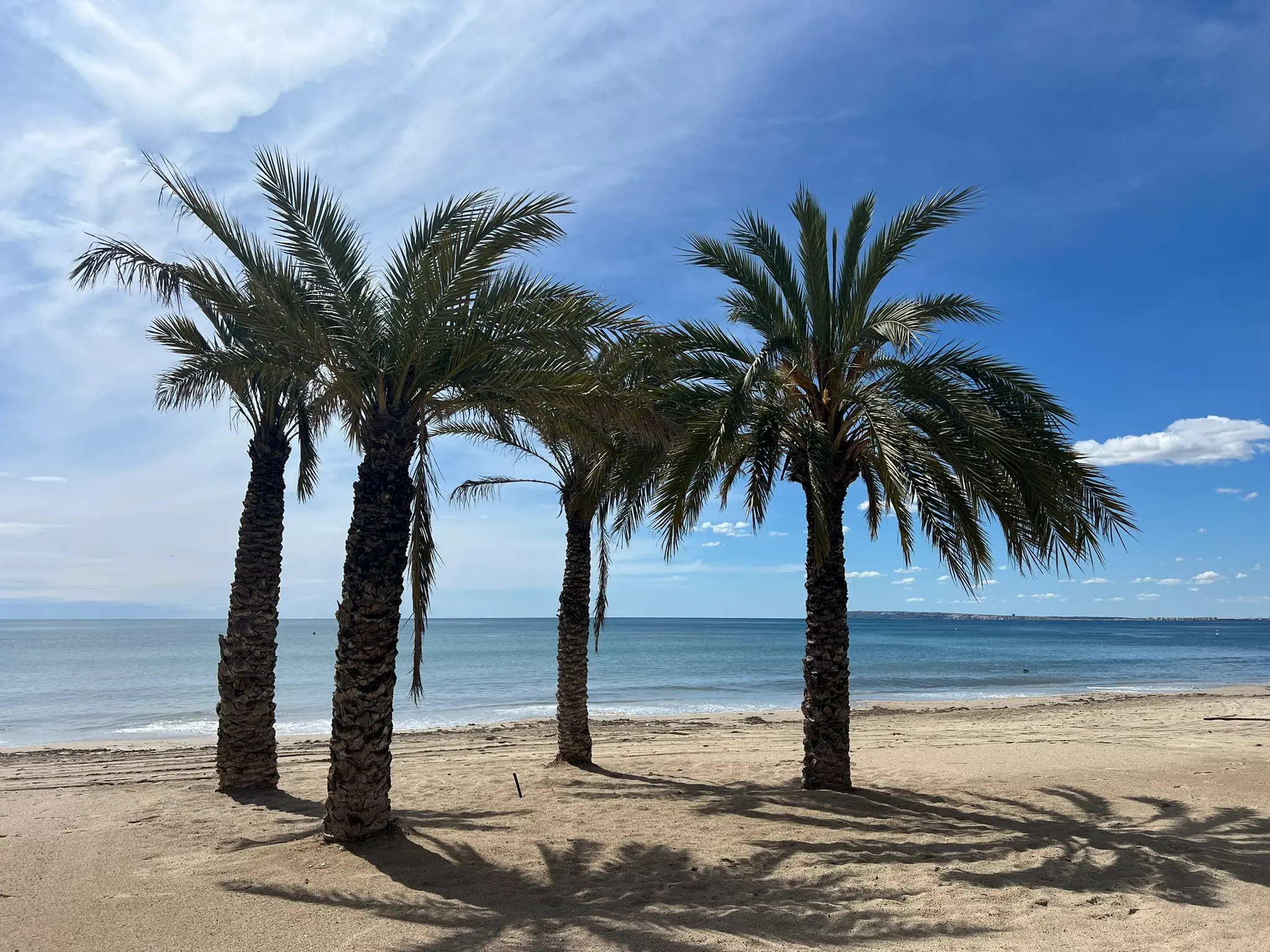
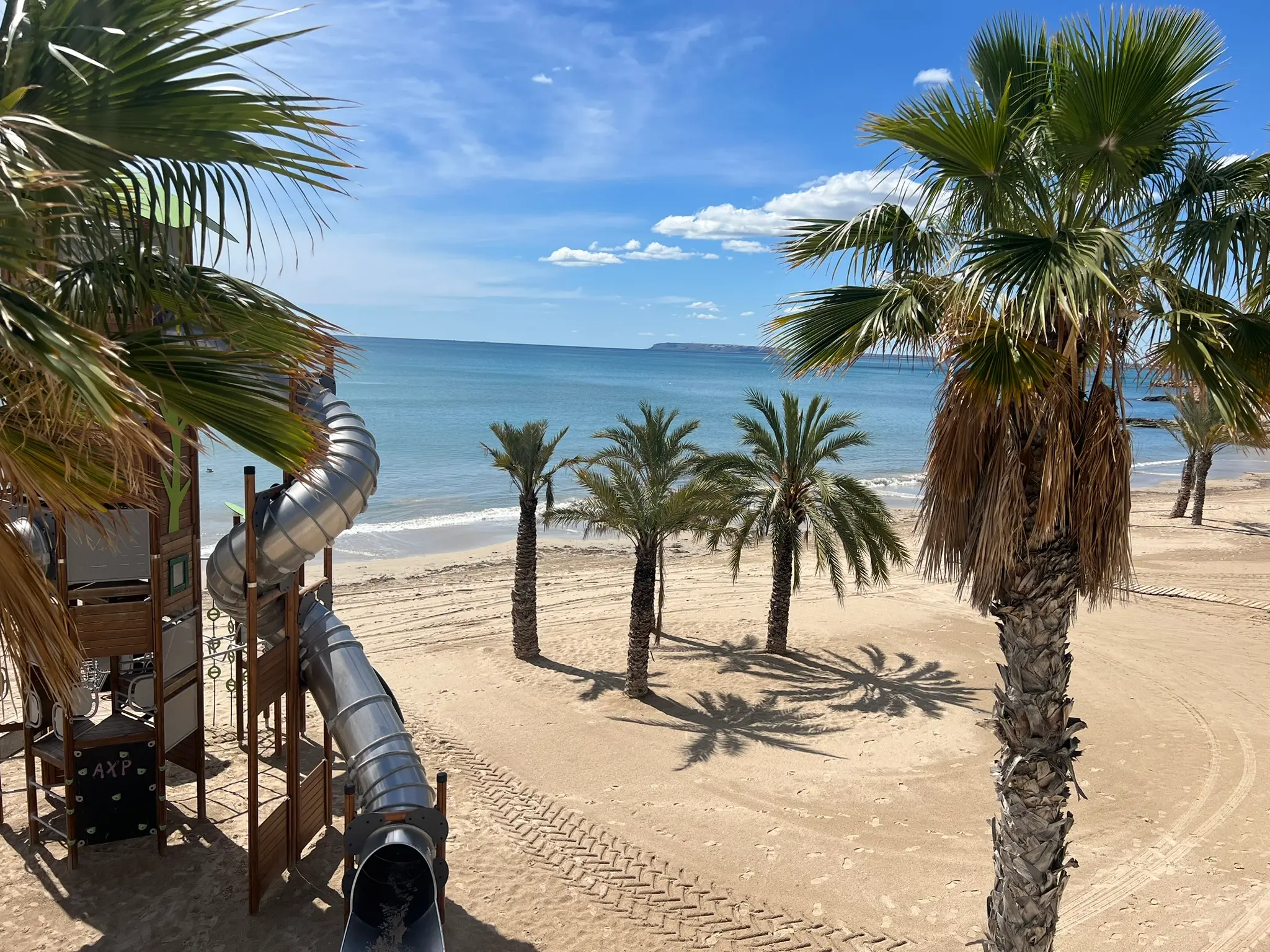
Best Beaches in Alicante & Costa Blanca
From hidden turquoise coves to vast golden sands — find your perfect beach on the Costa Blanca.
Explore Beaches→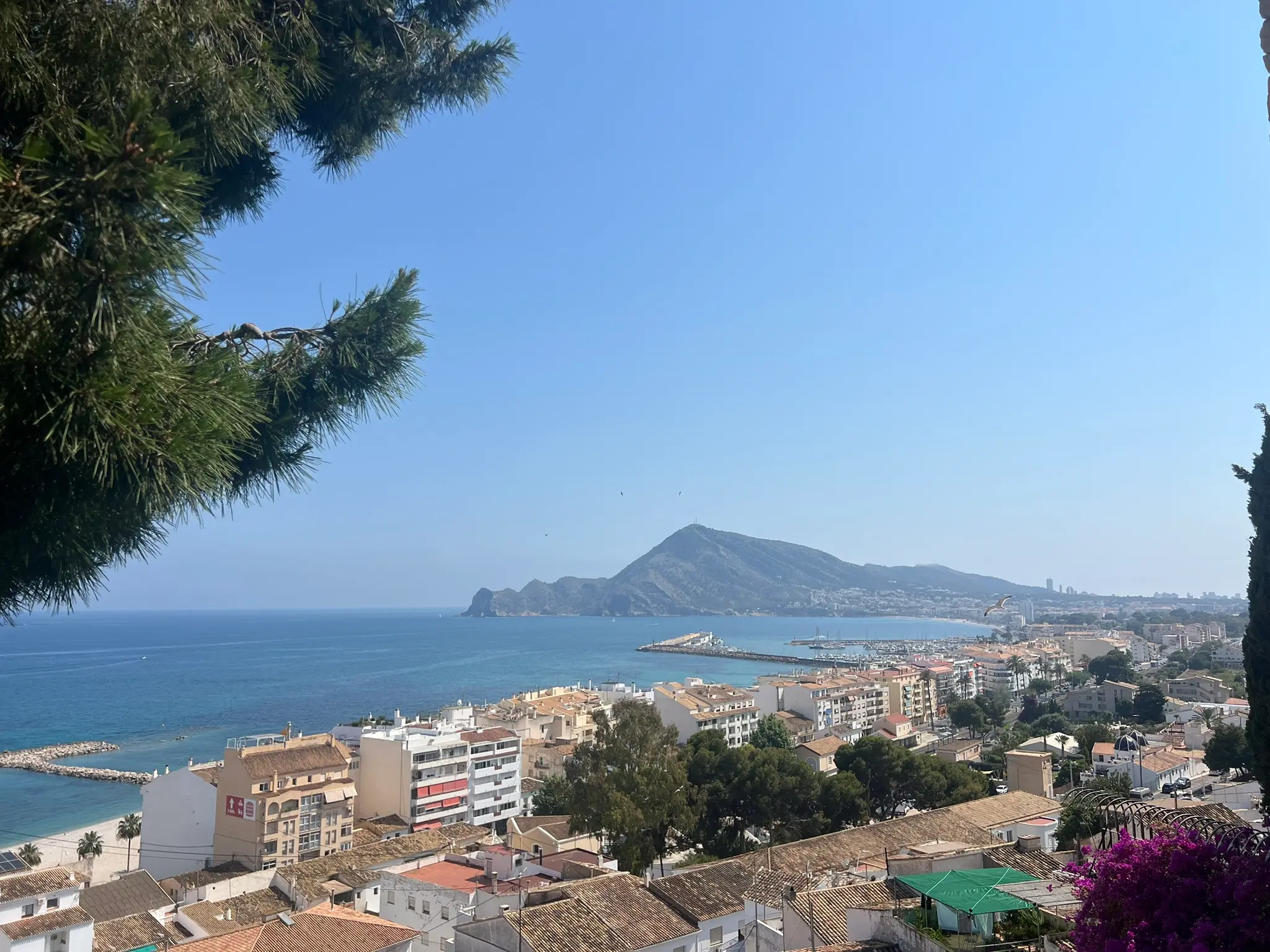
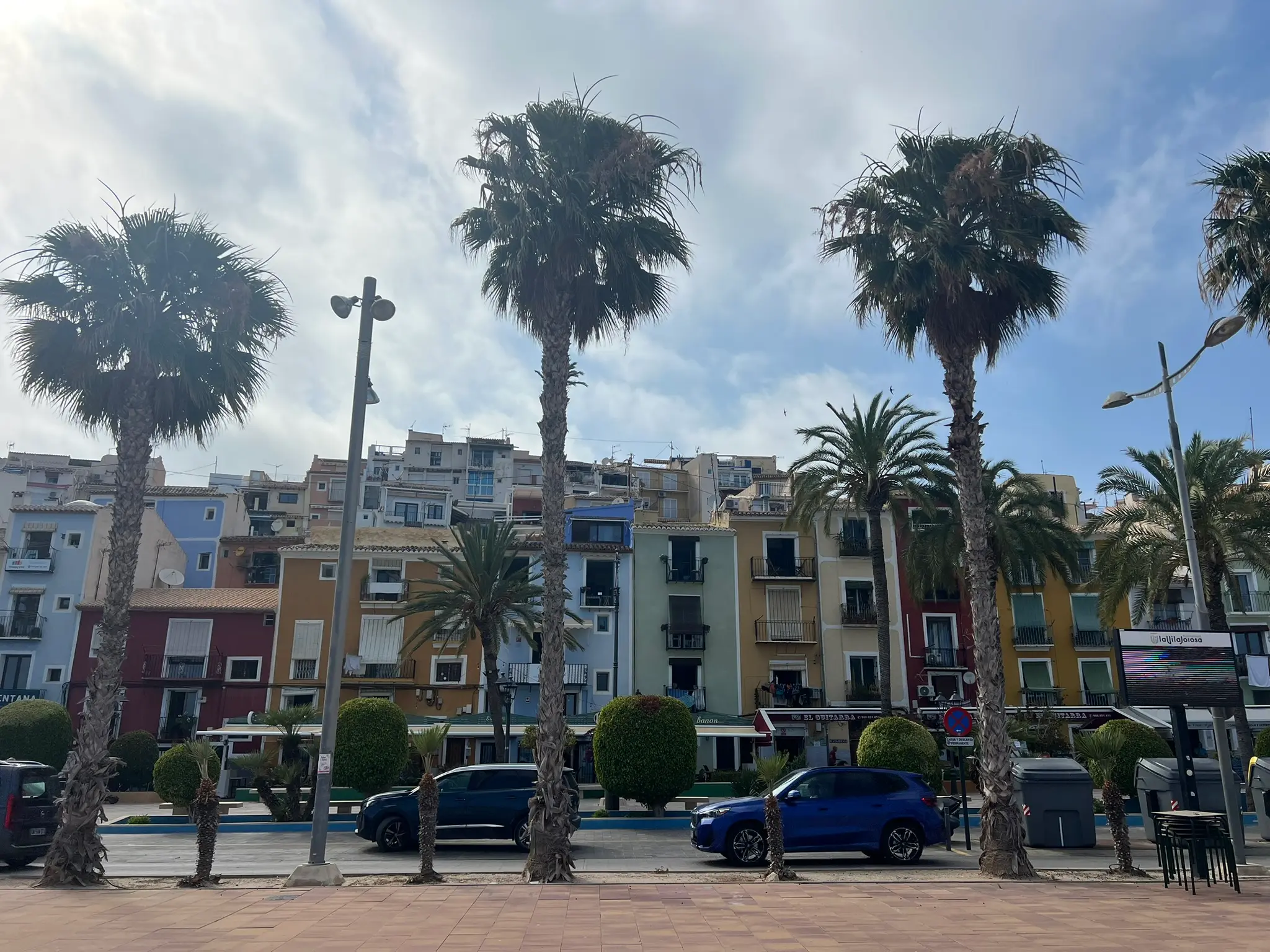
Day Trips from Alicante
The Costa Blanca doesn't end at the city limits. Castles, coves, mountain towns — all within an hour.
Explore Day Trips→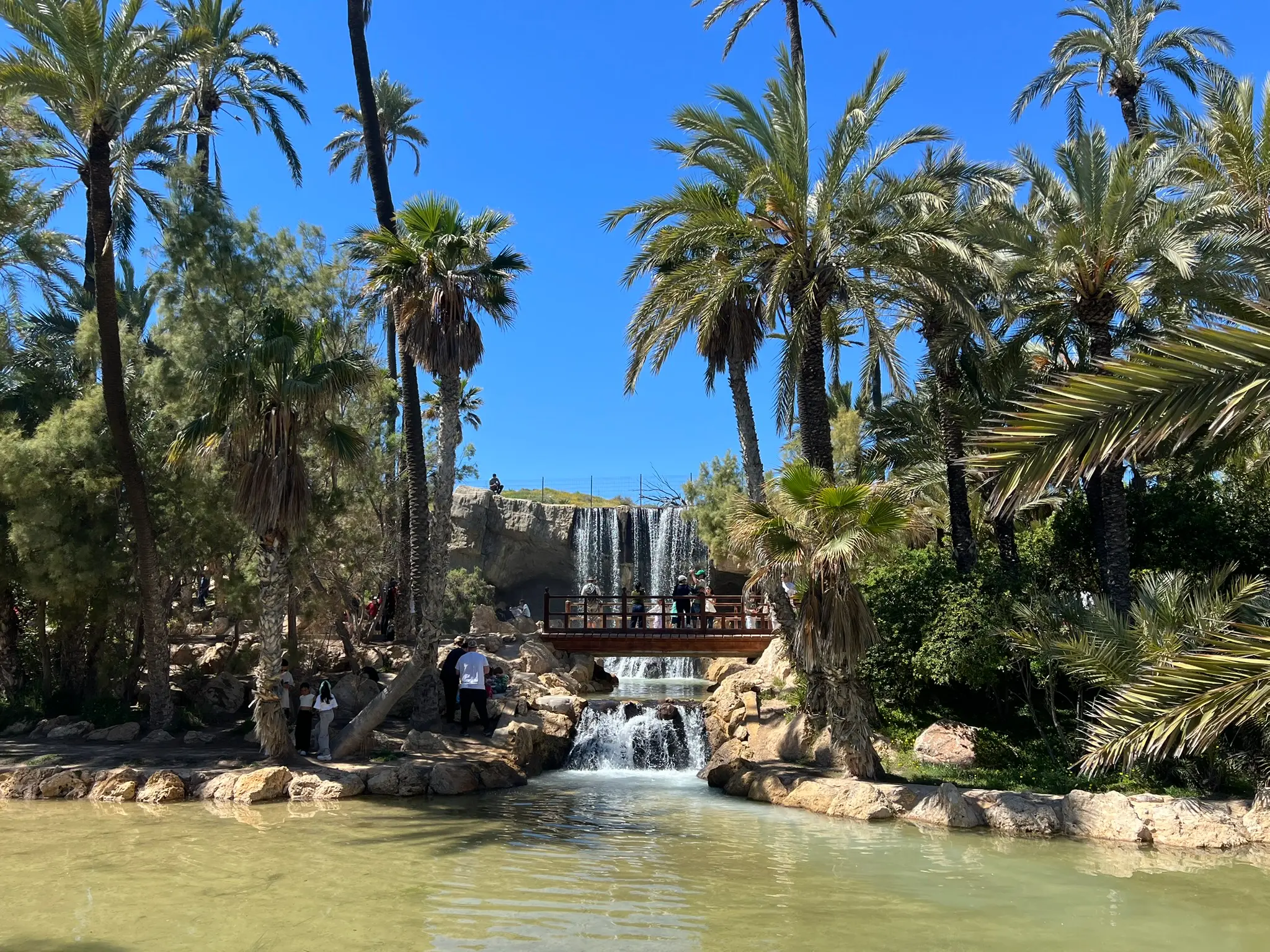
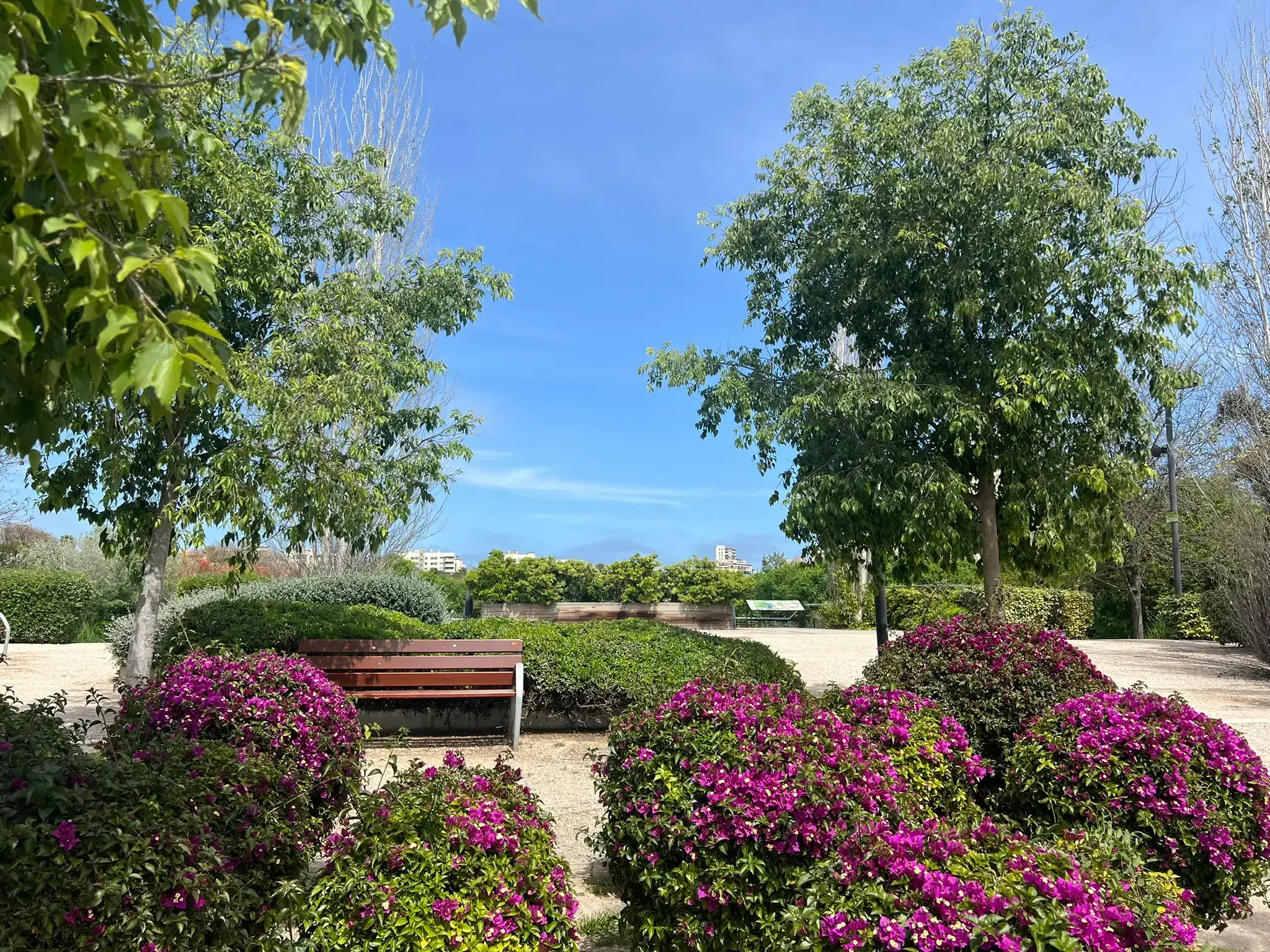
Parks & Nature in Alicante
The green spaces, coastal paths, and quiet corners of Alicante that most visitors walk straight past.
See all parks & nature→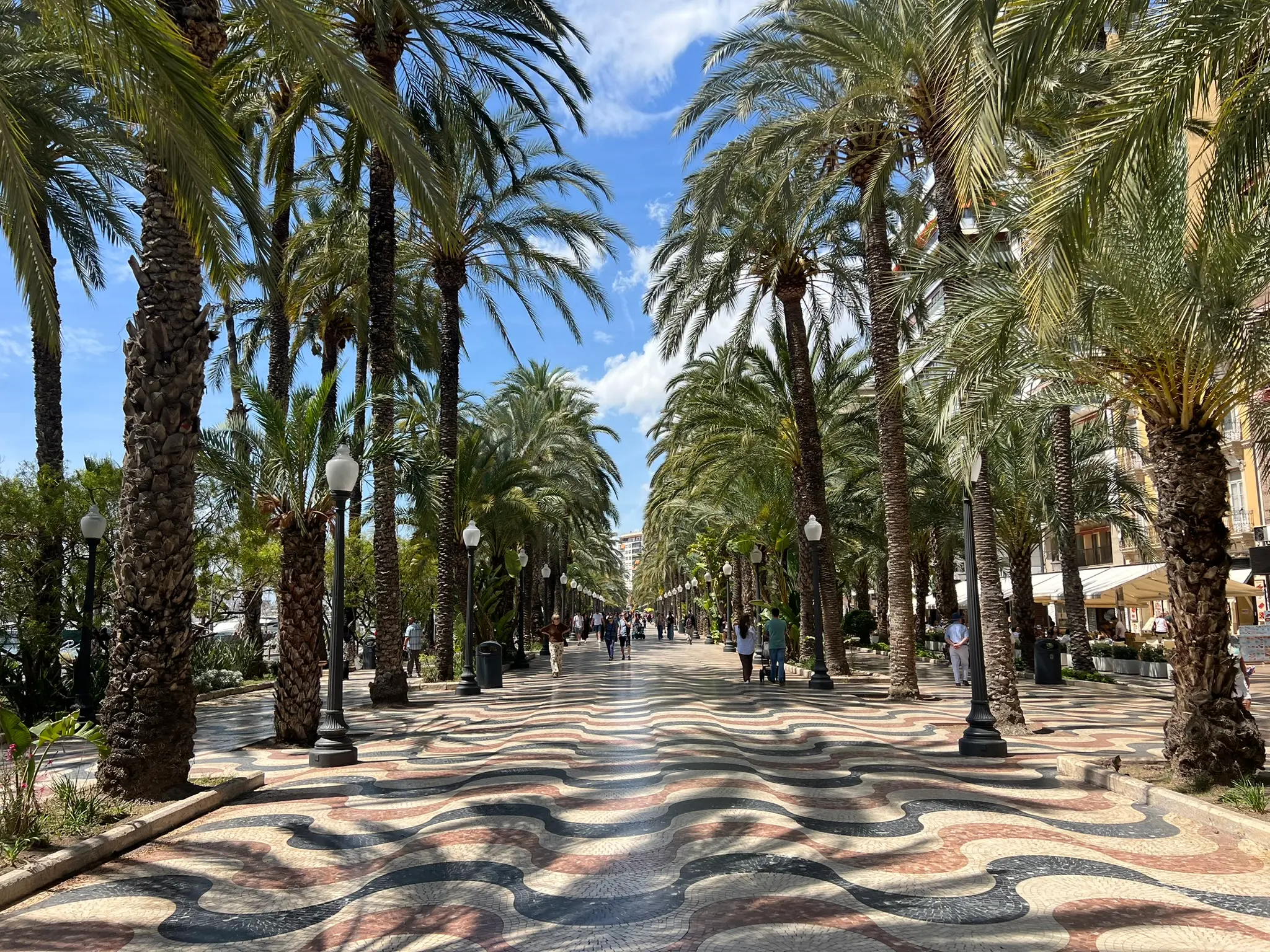

Journal
First-hand notes on living, eating, and getting around Alicante — written by someone who actually lives here.
Read the journal→
Hi, I'm Petro, the face behind Alicante Compass.
This guide is free and always will be. Running it takes time, fuel, and a lot of coffee — researching places that don't show up on Google Maps, verifying details that other sites get wrong, and writing guides I'd actually want to read myself. If Alicante Compass has saved you time, money, or given you one moment worth remembering — I'd be grateful for your support. Every contribution keeps me on the road and the content free for everyone.
Fuel the Compass