Alicante Compass
Alicante in Winter
The tourists leave. The city exhales. This is when it's actually worth living here.
Winter in Alicante is when the city belongs to itself again. The tourists are gone, the streets are wide open, and everything moves at a pace that actually makes sense. Temperatures rarely drop below 12–13°C — and when they do, it doesn't last. It's still sunny. It's still Alicante. Just quieter, lighter, and considerably easier to enjoy.
If you're thinking about moving here — come in winter first. This is the honest version of the city.
What Winter in Alicante Actually Looks Like
Alicante in winter is the city without the performance. The same streets, the same cafés, the same shops — just without the crowds. The tourists are gone and the city belongs to its residents again. Everything feels lighter, more open, easier to move through.
Temperatures rarely drop below 12–13°C — and when they do, it doesn't last long. It's still sunny. It's still Alicante. Just quieter.
Your first winter here will feel almost warm. But the longer you live in this climate, the more you acclimatise — and 15°C starts to feel genuinely cold. You'll notice yourself reaching for warmer layers over time. It happens to everyone.
What to Wear in Alicante in Winter
You don't need a heavy winter wardrobe. A pair of trousers, two jackets — one light, one slightly warmer — and a couple of pairs of autumn shoes and boots for colder evenings covers everything you'll need outside.
Inside is a different story. Most apartments in Alicante have no central heating — warmth comes from electric heaters and air conditioning units. Apartments stay noticeably cool in winter. A warm pair of pyjamas and slippers are not optional.
One practical tip worth knowing before you rent: look for an apartment with laminate or parquet flooring. Most properties have tiled floors throughout — which is ideal in summer but genuinely uncomfortable in winter. If tiles are unavoidable, rugs help.
The City in Winter
Everything operates normally. Restaurants, shops, cafés — all open, all running. The one visible difference is the outdoor terraces in tourist areas — some close for the season or reduce their footprint. Inside, the city carries on exactly as it does in summer.
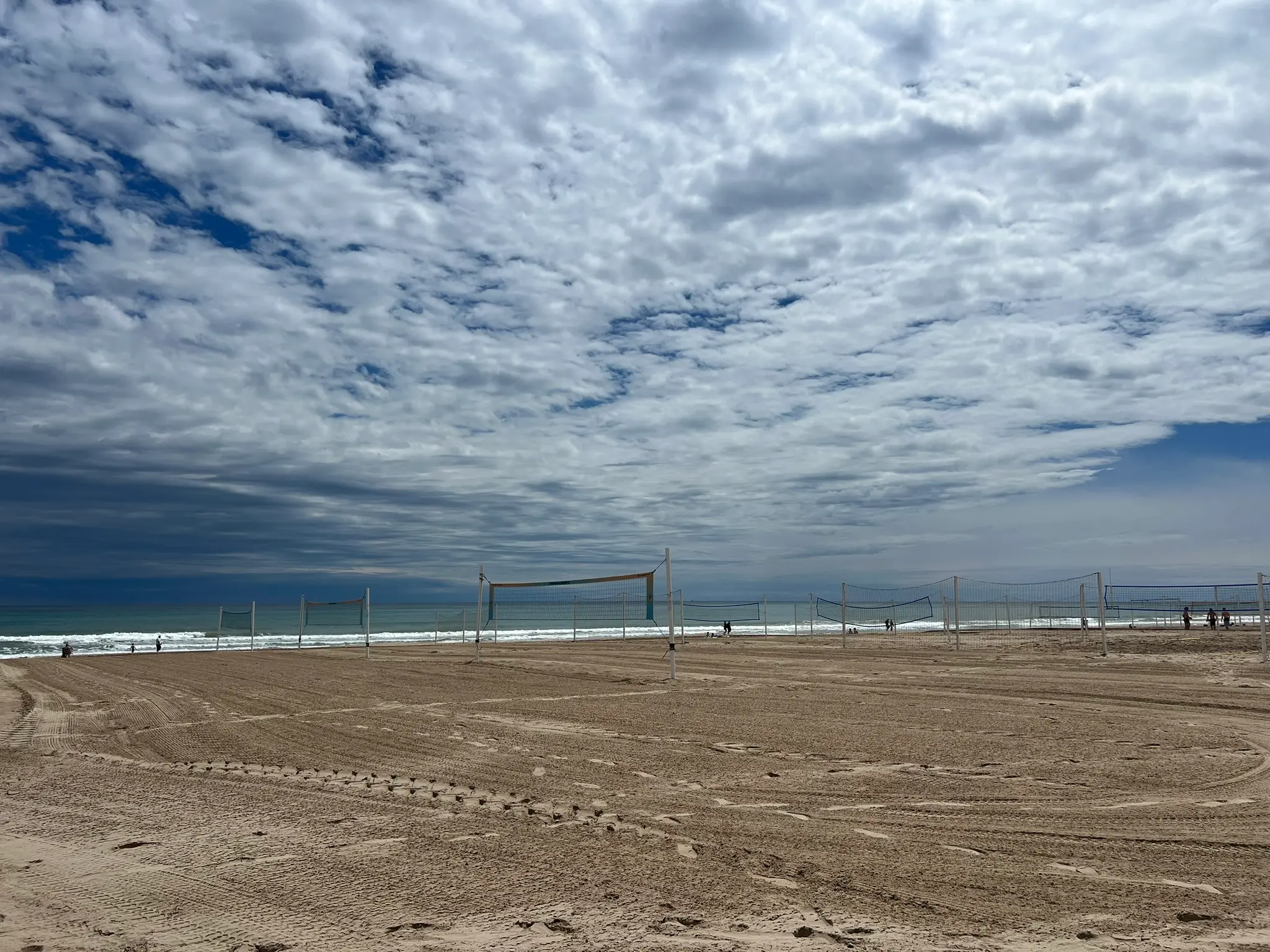
The Beach in Winter
Swimming in the sea is comfortable until the end of October. After that, the water gets cold enough that most people stop.
That doesn't mean the beach is empty. On calm, sunny winter days — and there are plenty — locals come to the beach to breathe the sea air, sit in the sun, and walk along the shore. Children play on the sand as long as there's no wind. A light jacket or a sweatshirt is usually enough.
Albufereta beach is particularly good in winter — sheltered from the wind, easy to reach, and calm enough for a walk with young children even on cooler days.
Christmas and New Year in Alicante
The city decorates properly — lights, displays, festive atmosphere throughout the streets. It looks like Christmas. But without snow and with temperatures that feel more like a mild autumn evening, the feeling takes some adjustment. This is not the Christmas most people grew up with. You get used to it, but the first year catches most people off guard.
New Year's Eve is worth experiencing. The beach at Postiguet fills with people — crowds, music, fireworks, the Mediterranean as a backdrop. It's loud, it's warm by northern European standards, and it genuinely feels like a celebration. One of the better ways to end a year.
Winter in Alicante isn't something you endure. It's something you discover.
The city slows down, the pace drops, and for the first time you can actually hear yourself think. No queues, no crowds, no performance for the tourists. Just the city, the light, and the sea — still there, same as always.
It's not uncomfortable. It's just different. And once you've spent a winter here, summer starts to feel like the inconvenient season.
Questions About Alicante in Winter — Answered Honestly
The questions most people ask before they decide. Answered from experience, not a travel brochure.
How cold does Alicante get in winter?
Does it rain a lot in Alicante in winter?
Can you swim in the sea in Alicante in winter?
Is Alicante worth visiting in winter?
Is It Worth Renting a Car in Alicante in Winter?
Is Alicante cheaper in winter?
Does it snow in Alicante?
Is Alicante good for a winter sun holiday?
What should I pack for Alicante in winter?
Is Alicante quiet in winter or still busy?
Moving to Alicante is worth it — if you're clear about what you want from it.
If you want a measured pace of life, no more than 25–30 minutes to get anywhere in the city regardless of traffic, three months a year at 30 degrees, and a life on the Mediterranean coast — then yes, absolutely.
If you're a big city person who is used to scale in everything and expects that same energy here — this isn't your place. Alicante will feel small. And that's not a criticism of the city. It's just not what it is.
Know what you're looking for before you move. Alicante delivers exactly what it promises — nothing more, nothing less.
Stop Guessing. Start Planning.
A small selection of tools that make Costa Blanca travel easier. Some links are affiliate — meaning I earn a small commission if you book, at no extra cost to you. I only include services I'd genuinely recommend.
Where to Stay in Alicante
Hotels, apartments, and villas across the Costa Blanca. Summer fills up fast — the good spots go first.
Book NowFlights to Alicante
Alicante Airport (ALC) connects to most major European cities year-round. Compare and lock in the best price before it moves.
Search FlightsRent a Car in Alicante
The Costa Blanca stretches 200km. A rental car is the only way to actually see it — buses don't go where the good stuff is.
Rent a CarTours & Excursions in Alicante
Day trips, boat tours, and guided excursions across the Costa Blanca — handpicked and worth your time.
Explore ToursWinter is Just One Season. Here's the Rest.
Keep exploring:
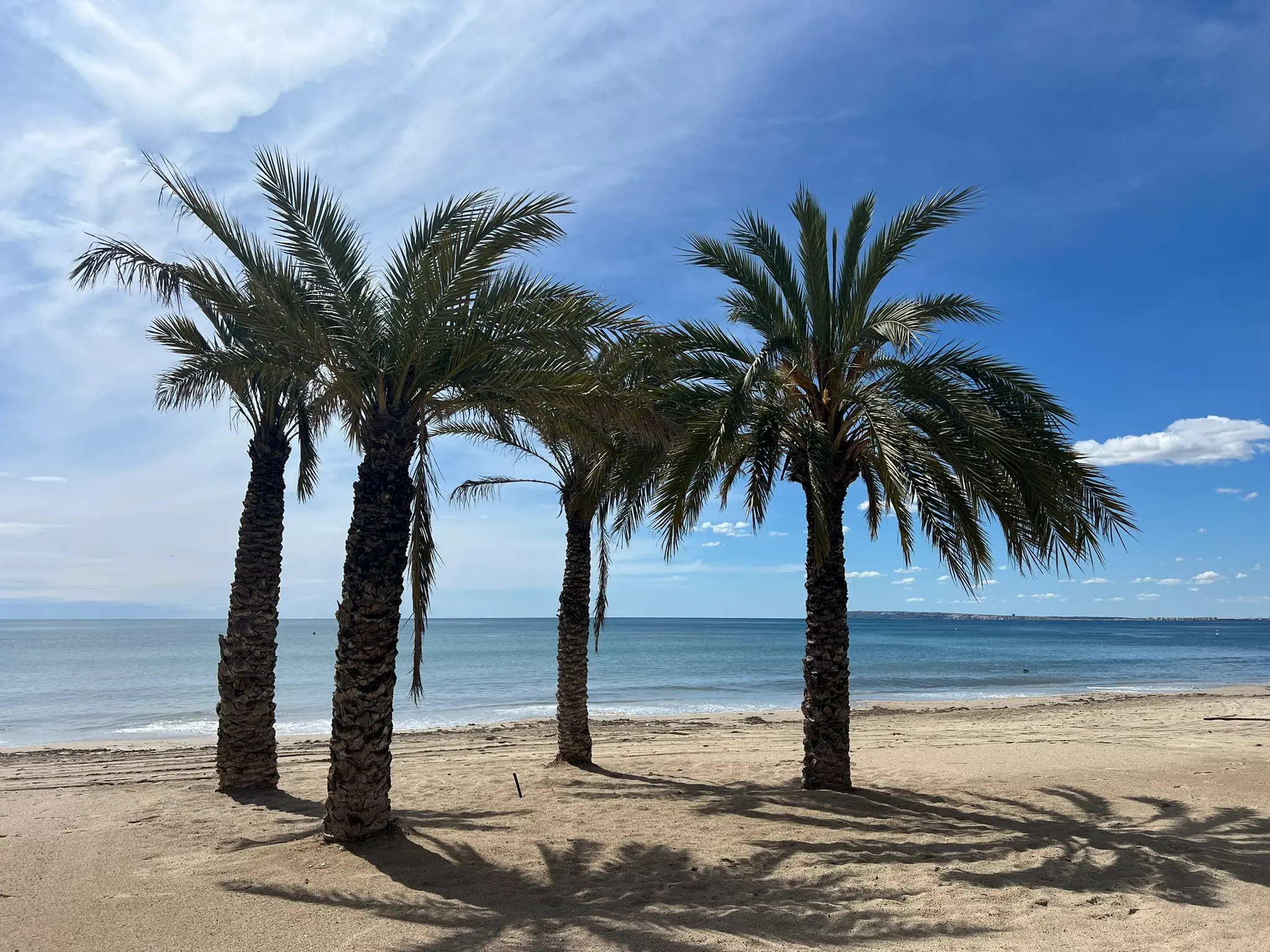
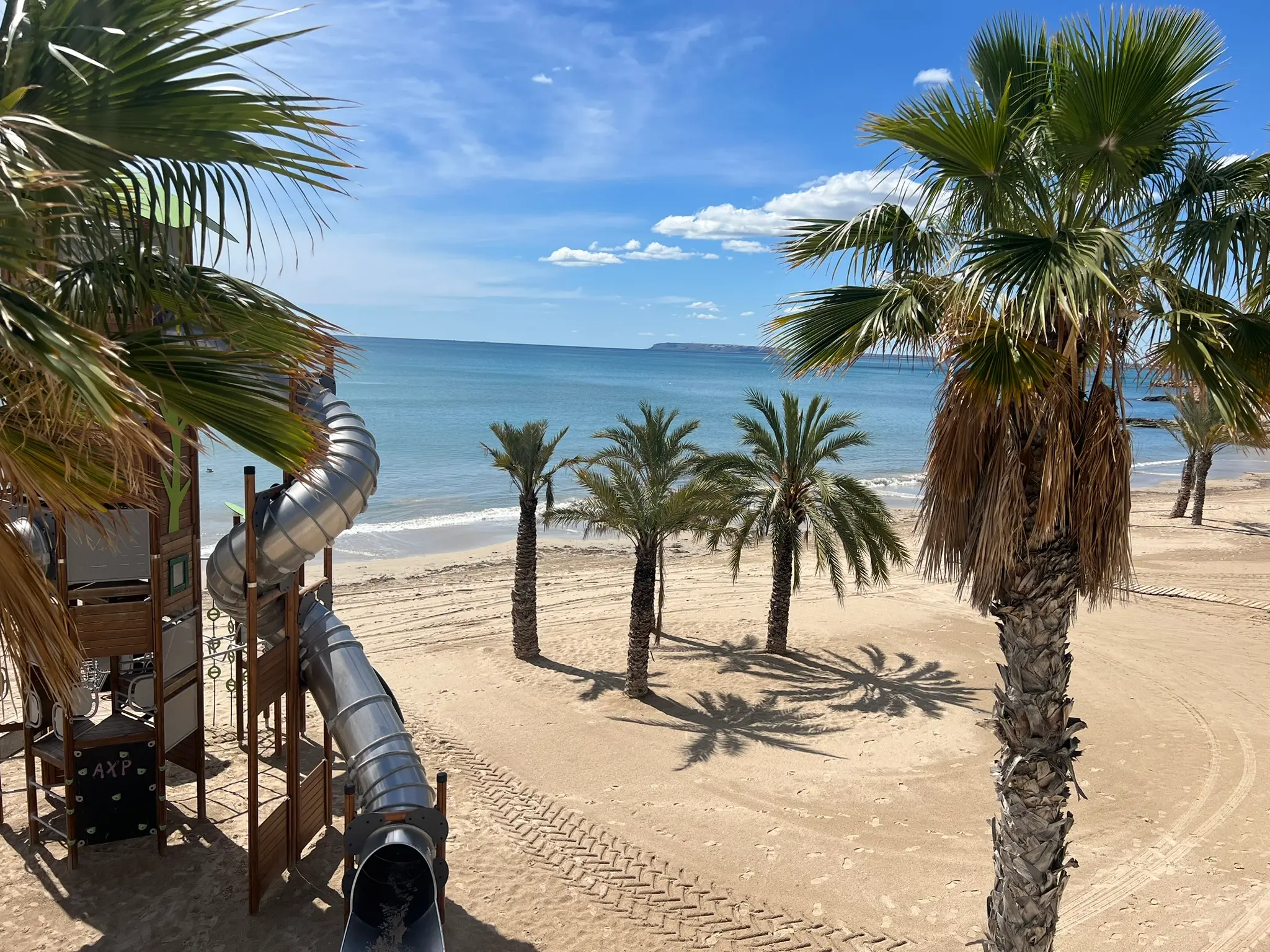
Best Beaches in Alicante & Costa Blanca
From hidden turquoise coves to vast golden sands — find your perfect beach on the Costa Blanca.
Explore Beaches→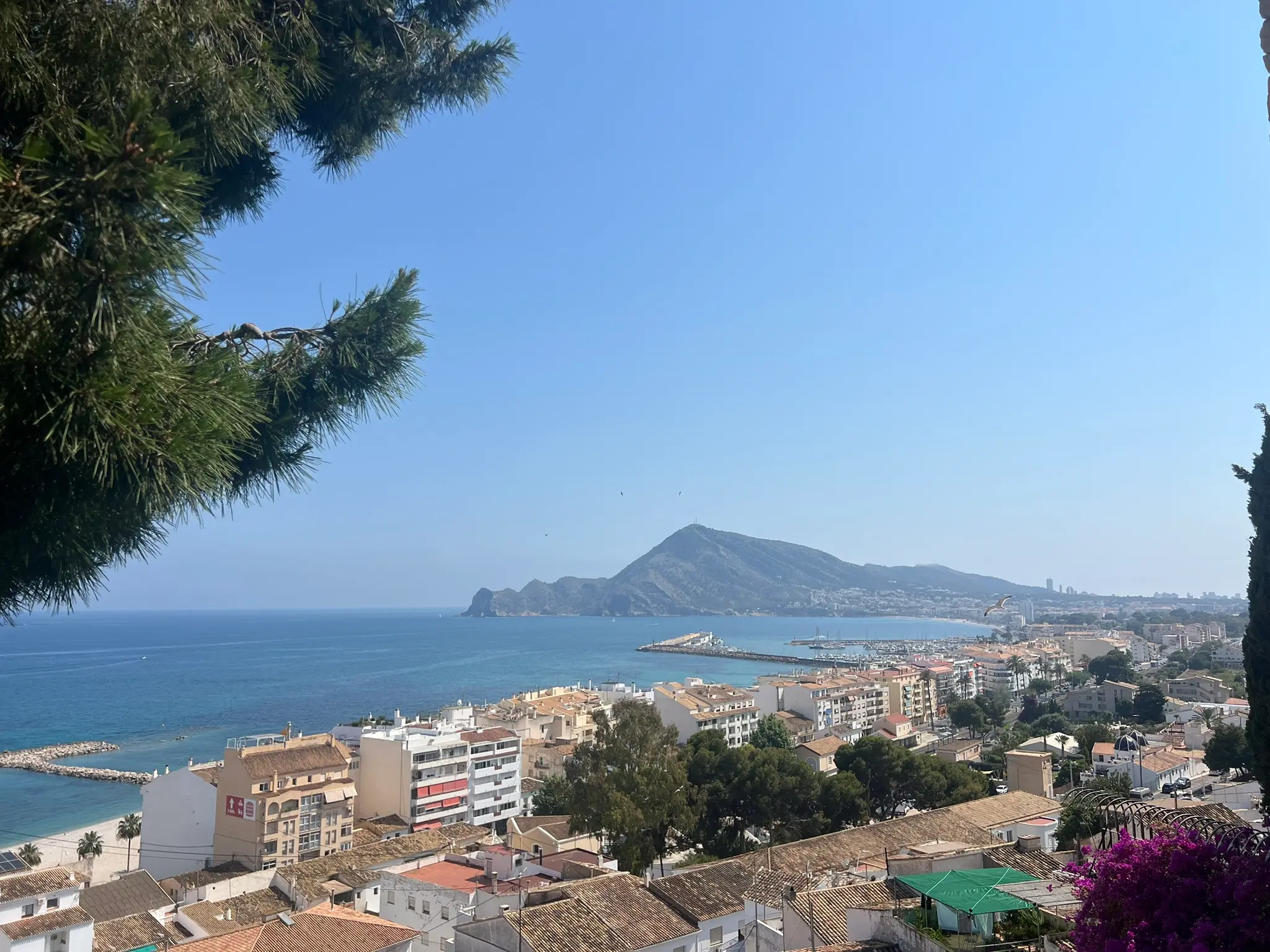
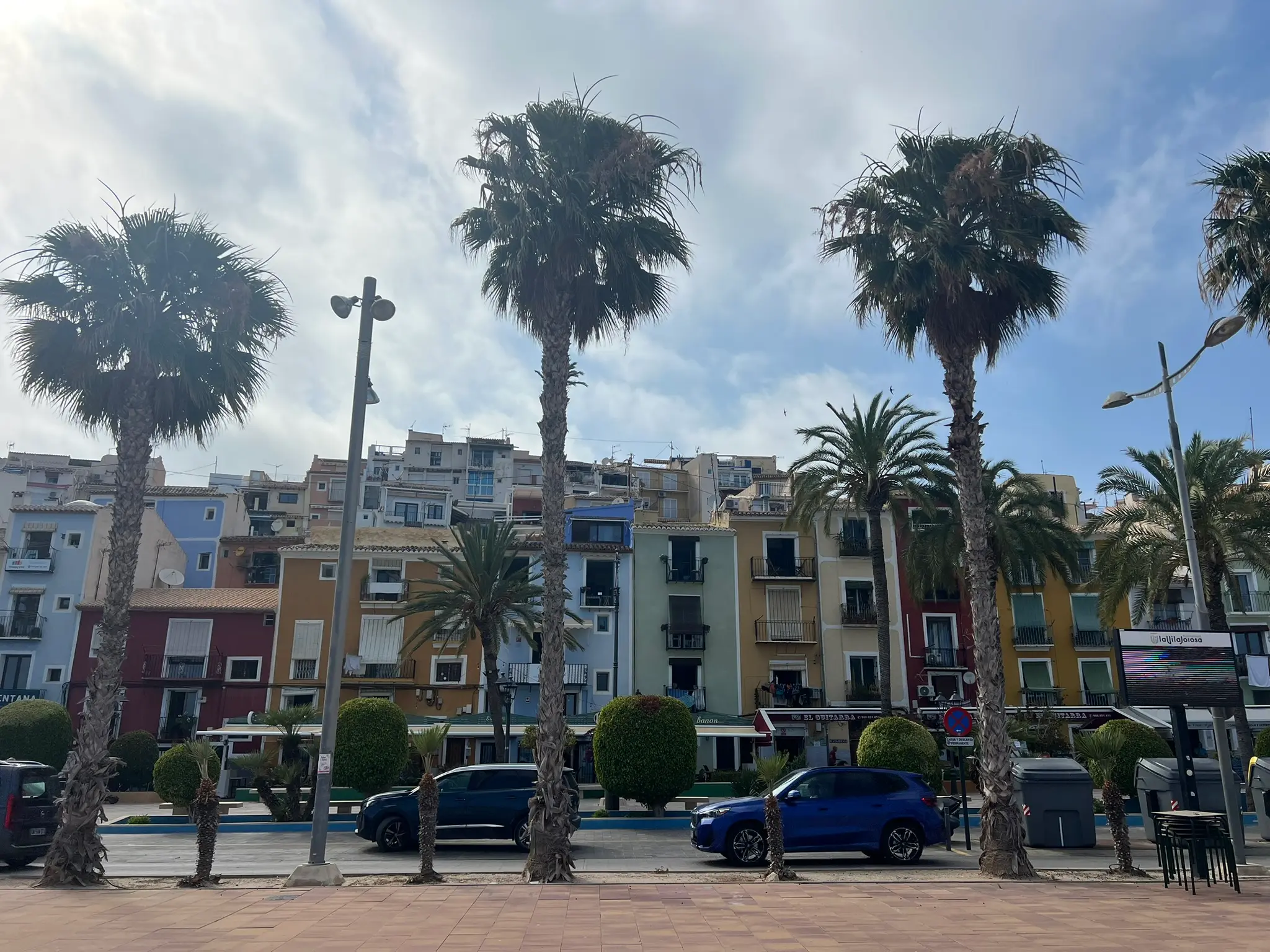
Day Trips from Alicante
The Costa Blanca doesn't end at the city limits. Castles, coves, mountain towns — all within an hour.
Explore Day Trips→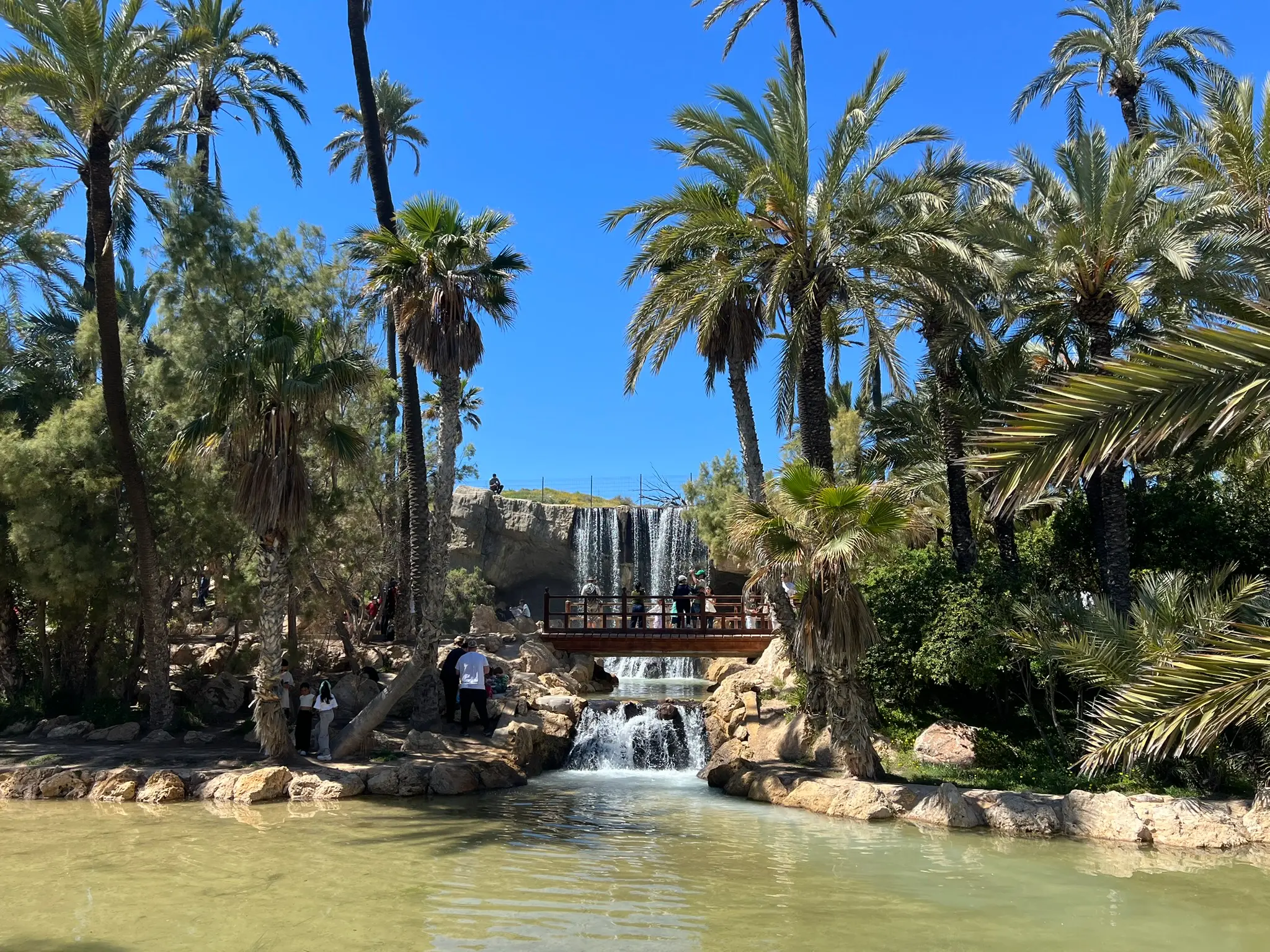
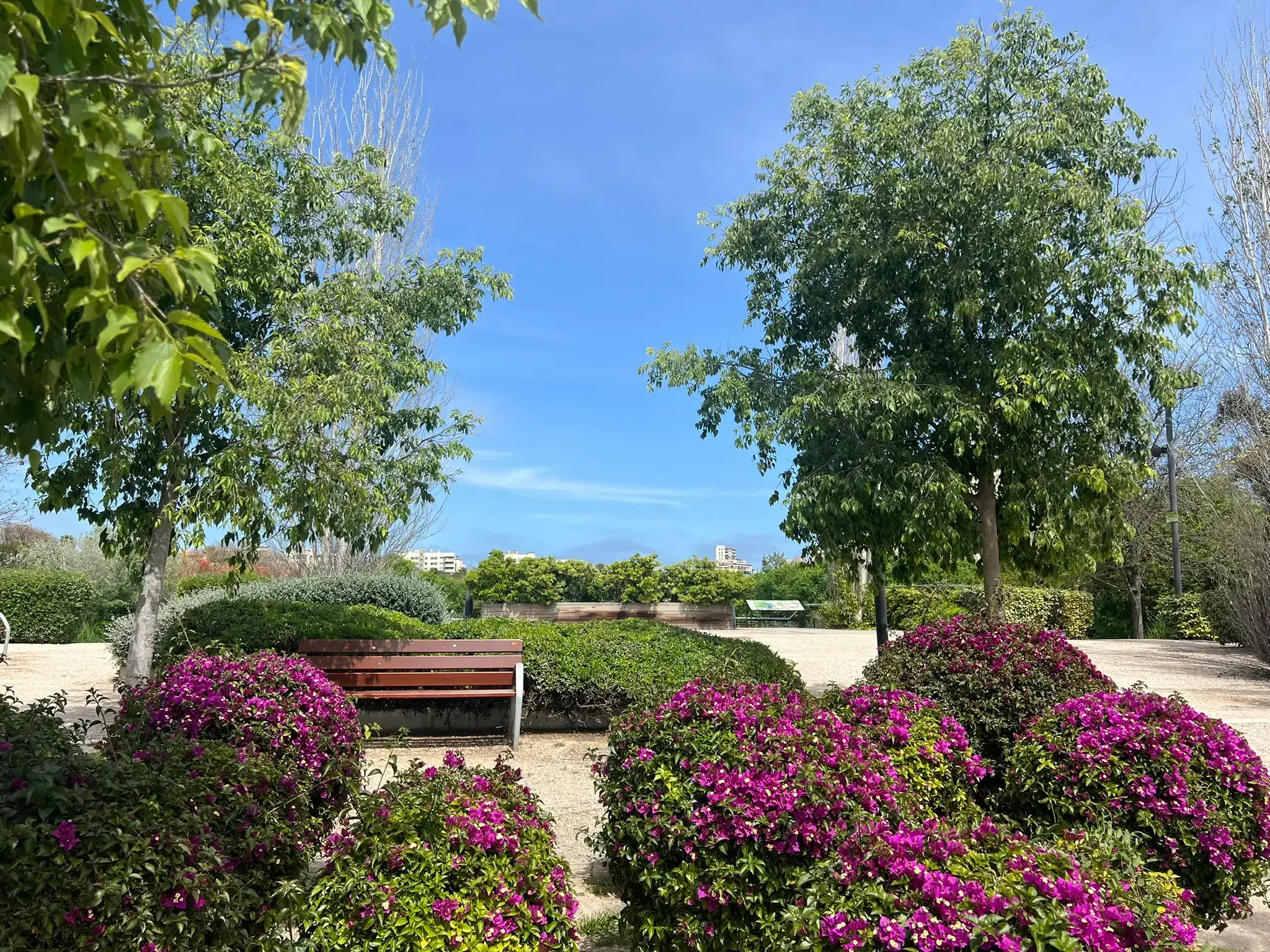
Parks & Nature in Alicante
The green spaces, coastal paths, and quiet corners of Alicante that most visitors walk straight past.
See all parks & nature→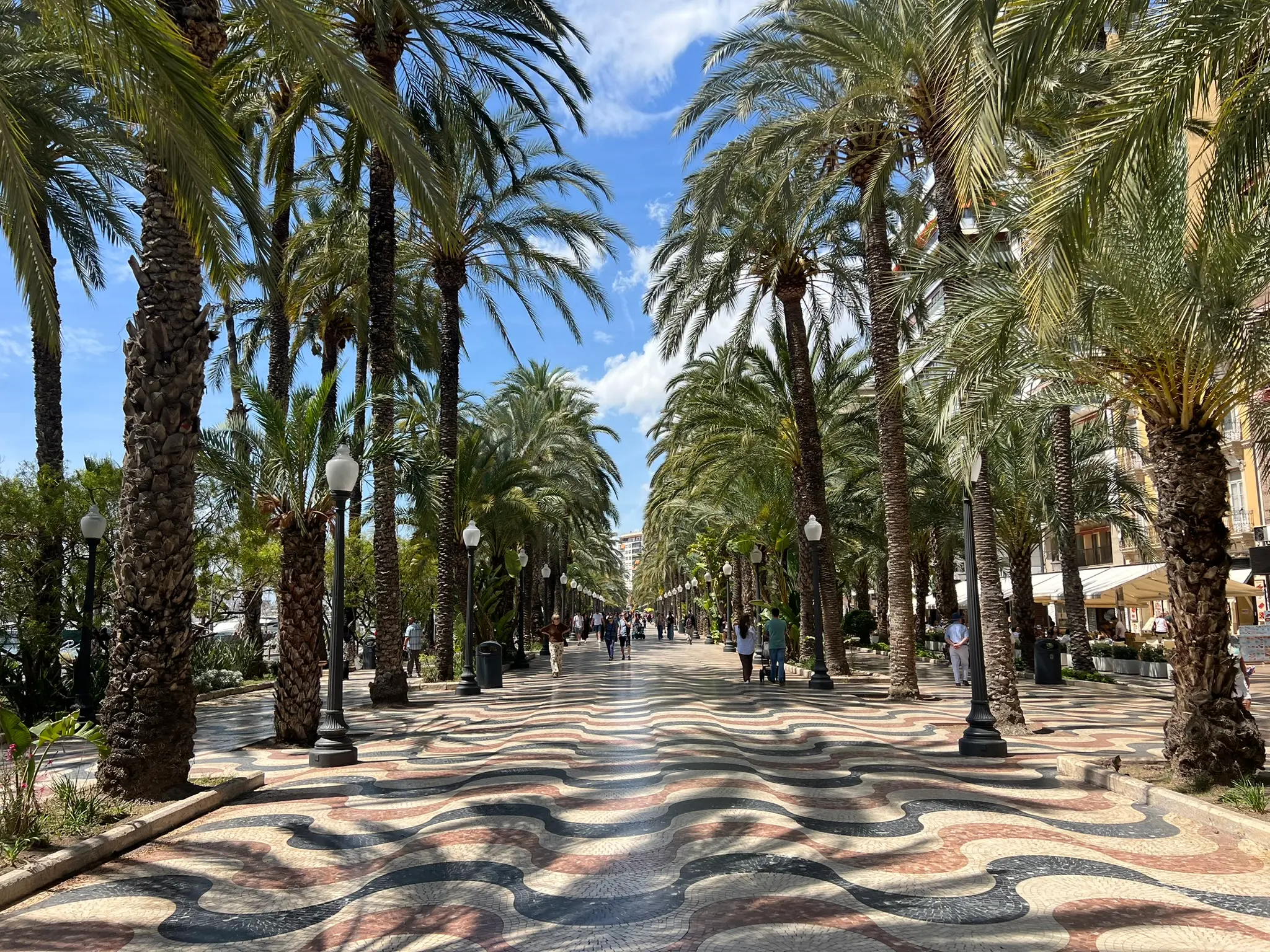

Journal
First-hand notes on living, eating, and getting around Alicante — written by someone who actually lives here.
Read the journal→
Hi, I'm Petro, the face behind Alicante Compass.
This guide is free and always will be. Running it takes time, fuel, and a lot of coffee — researching places that don't show up on Google Maps, verifying details that other sites get wrong, and writing guides I'd actually want to read myself. If Alicante Compass has saved you time, money, or given you one moment worth remembering — I'd be grateful for your support. Every contribution keeps me on the road and the content free for everyone.
Fuel the Compass