Alicante Compass
Getting a Spanish Driving Licence in Alicante
The full process — done in 2 months without speaking Spanish.
Getting a Category B driving licence in Alicante is more straightforward than most expats expect. The process follows the same structure as most European countries — driving school, medical check, theory exam, practical exam. The one thing that complicates it is the language barrier.
Here is the full process, based on my personal experience — including what nobody tells you before you start.
Step 1 — Enrolling in a Driving School
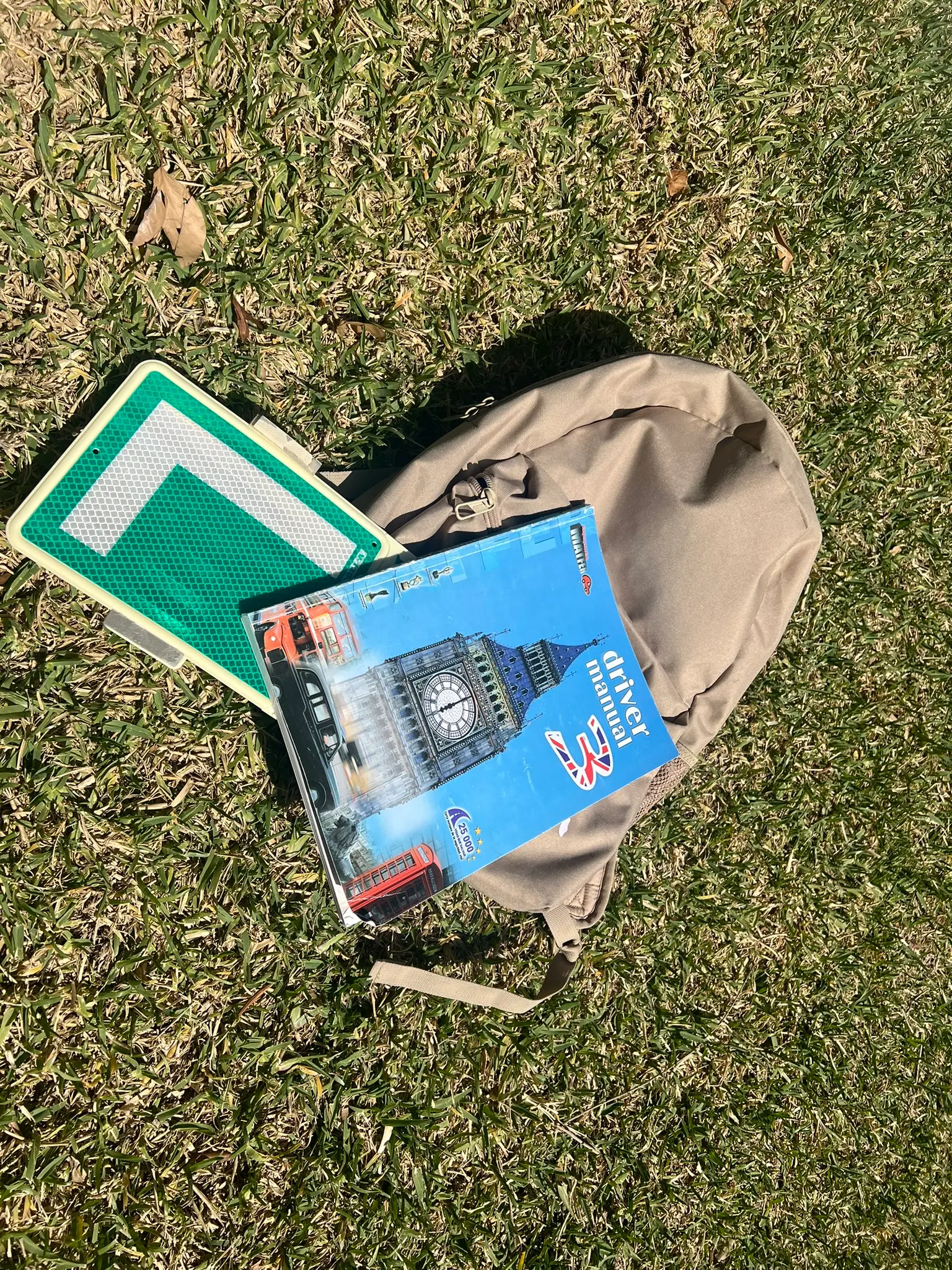
Signing up is quick and simple. You walk in, pay the registration fee — around €150 — which covers access to the test materials, your student registration, and the L-plate you'll display after passing. If you need the theory book in English, budget an extra €35 on top of that.
Step 2 — The Theory Exam
Both driving schools and the DGT (Spain's traffic authority) offer the theory test in English, German, and French. For most non-Spanish speakers, English is the obvious choice.
Don't count on the classroom instructor being fluent in English. You'll be sitting alongside Spanish-speaking students, and the lessons won't be translated for you. In practice, this means studying independently — working through the theory book and completing practice tests on the school's computer system. My instructor had some basic English and was happy to answer specific questions after the main session — but only as far as our combined language skills allowed.
In my driving school there were around 180 practice questions. Half were available online to study at home, the other half were only accessible on the computers at the school.
One thing worth knowing: there's a widely-held belief among non-Spanish students that the question bank in other languages is smaller, and updated less frequently than the Spanish version. Nobody knows for certain whether this is true — but it came up constantly among expat students.
The theory exam at a glance
- 30 questions, multiple choice (3–4 options per question)
- 30 minutes to complete
- Pass mark: 27 correct answers — a maximum of 3 mistakes allowed
- Results communicated by the driving school the following day, or check online via the DGT website
The school includes 3 attempts in the standard fee. Pass first time and you have two attempts left for the practical. Pass second time — one attempt left. Fail all three and you're paying extra for everything that follows.
I passed the theory on my first attempt.
A useful tip: the practice questions in the driving school system closely mirror the actual DGT exam. Focus on road rules, first aid, and medical questions — these come up consistently.
Step 3 — The Medical Check
Before the practical lessons begin, the driving school will ask you to complete a medical examination at a registered private clinic. Blood pressure, hearing, vision, and a basic reaction test on a simple simulator. I was in and out in 40 minutes. Genuinely the easiest part of the entire process. Cost: approximately €50.
Step 4 — The Practical Lessons
Once you pass the theory, you're cleared for practical lessons. I'll be honest — sitting in a car with an instructor after 20 years behind the wheel felt slightly ridiculous. But here's the thing: it doesn't matter. Not even slightly.
Expect corrections on things you've been doing automatically for decades — hand position on the wheel, double stops at certain stop signs, constant mirror checks. It's frustrating at first. But the examiner will not care about your experience. They'll be assessing whether you follow Spanish road rules specifically — and not following them is exactly how people fail.
Lessons cover city driving and parking. Once your instructor is satisfied, they'll book you in for the practical DGT exam in Alicante.
Step 5 — The Practical Exam
The setup looks simple: you're behind the wheel, your driving school instructor sits beside you, and the examiner sits in the back. What follows is where most people fail.
Unlike the theory exam, the practical involves human judgement. The examiner decides. This is where the highest number of failed attempts happen — and the more you fail, the more extra lessons and exam fees you pay. I'm not saying the system is designed to make you fail more times and pay more money. I'm just telling you what happens. Make of that what you will.
A minimum of basic Spanish is essential here. You need to understand the examiner's instructions: straight ahead, turn left, turn right, take the second exit at the roundabout. Your instructor may speak some English — but don't rely on it.
What makes or breaks the Spanish practical test
- Double stop at designated stop signs
- Yellow lights — treat them correctly
- Pedestrians — give way without hesitation
- Mirror checks — constant, visible, deliberate
I passed the practical on my first attempt.
Timeline & Costs
The entire process — from enrolling to passing both exams — took me two months. For a non-Spanish speaker with no prior knowledge of Spanish road rules, I'd call that a good result.
To put that in perspective — there was a woman in my class. Fifteen years of driving experience. Spanish as her first language. A Latin American licence. Four months in, she had failed the theory exam three times. I'm not saying this to make anyone feel better or worse. It's just what happened.
The driving licence itself arrives by post within 1–2 months of passing.
| Item | Approximate Cost |
|---|---|
| Driving school registration | ~€150 |
| Theory book in English | ~€35 |
| Each exam attempt | ~€45 |
| Each practical lesson | ~€35 |
| Medical check | ~€50 |
Prices may vary and are subject to change over time.
Final Thought
Look — if I can do this in two months without speaking Spanish, so can you. The theory takes focus, not genius. The practical takes patience, not talent. And the paperwork? It just takes time.
If you found this useful, check out the rest of the site for more practical guides on living in Alicante as an expat — and stay tuned for an upcoming guide on getting a motorcycle licence in Spain under the A2 category (up to 35kW).
Stop Guessing. Start Planning.
A small selection of tools that make Costa Blanca travel easier. Some links are affiliate — meaning I earn a small commission if you book, at no extra cost to you. I only include services I'd genuinely recommend.
Where to Stay in Alicante
Hotels, apartments, and villas across the Costa Blanca. Summer fills up fast — the good spots go first.
Book NowFlights to Alicante
Alicante Airport (ALC) connects to most major European cities year-round. Compare and lock in the best price before it moves.
Search FlightsRent a Car in Alicante
The Costa Blanca stretches 200km. A rental car is the only way to actually see it — buses don't go where the good stuff is.
Rent a CarTours & Excursions in Alicante
Day trips, boat tours, and guided excursions across the Costa Blanca — handpicked and worth your time.
Explore ToursThere Is More to Alicante Than This.
Keep exploring:
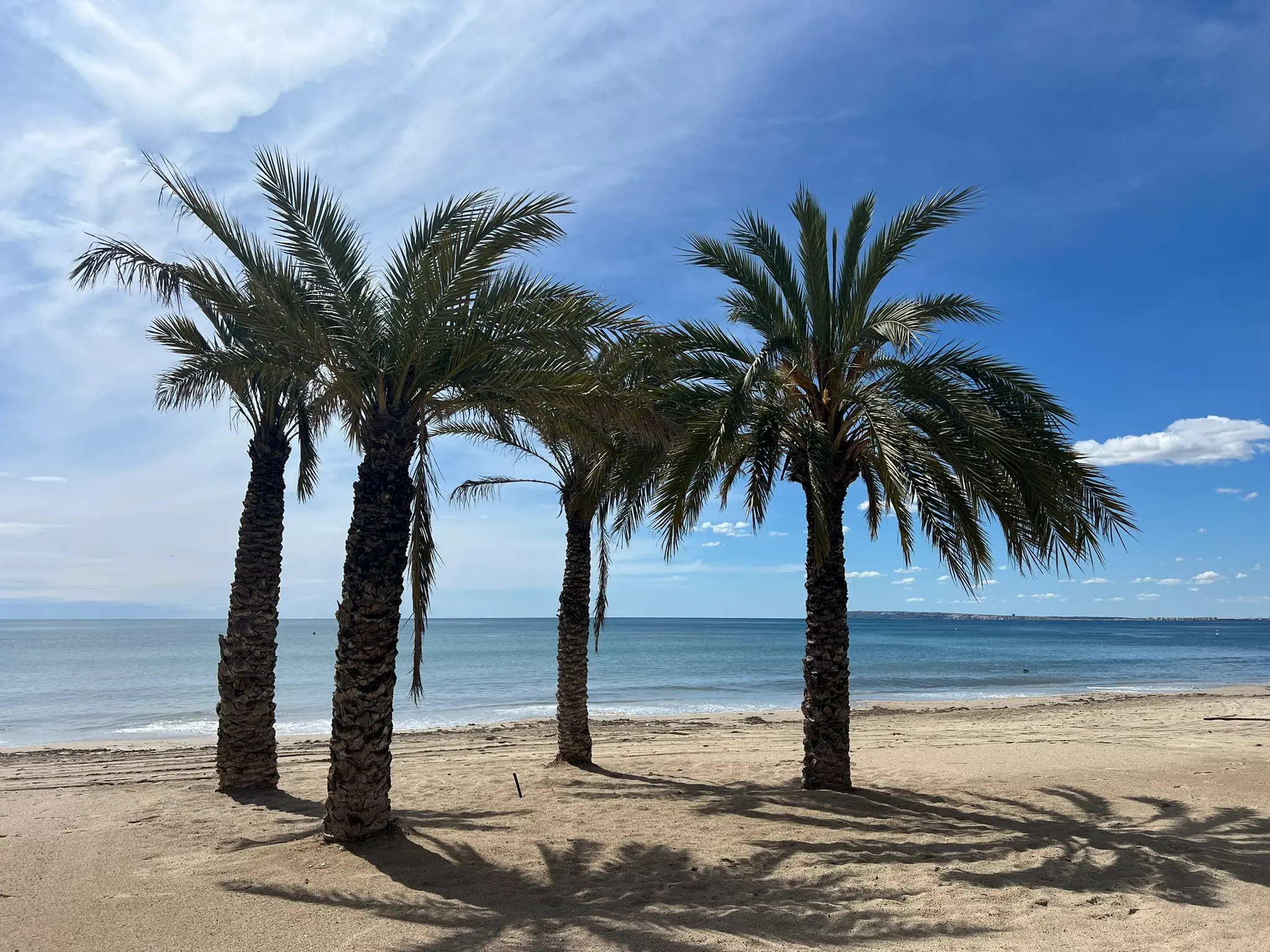
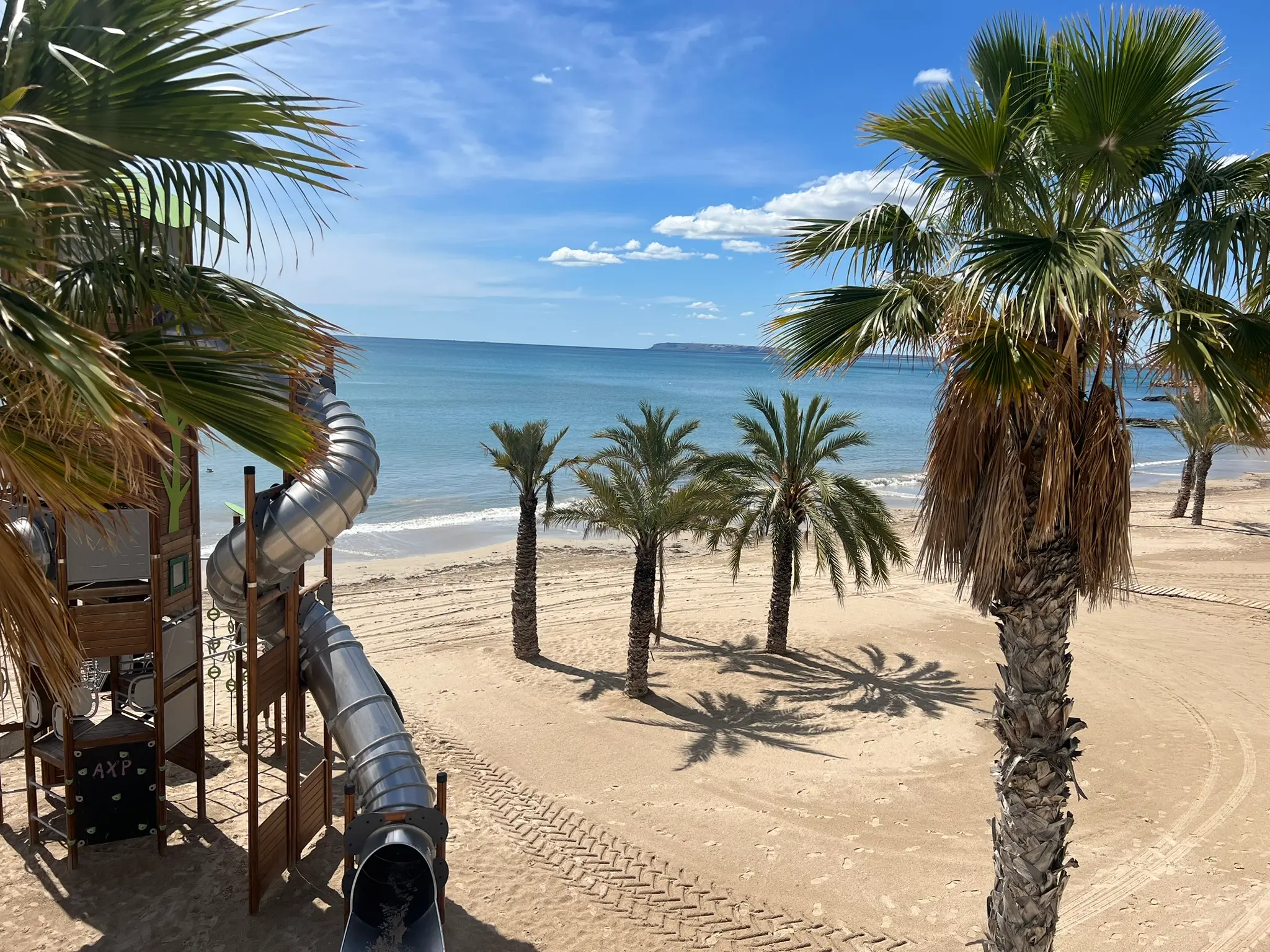
Best Beaches in Alicante & Costa Blanca
From hidden turquoise coves to vast golden sands — find your perfect beach on the Costa Blanca.
Explore Beaches→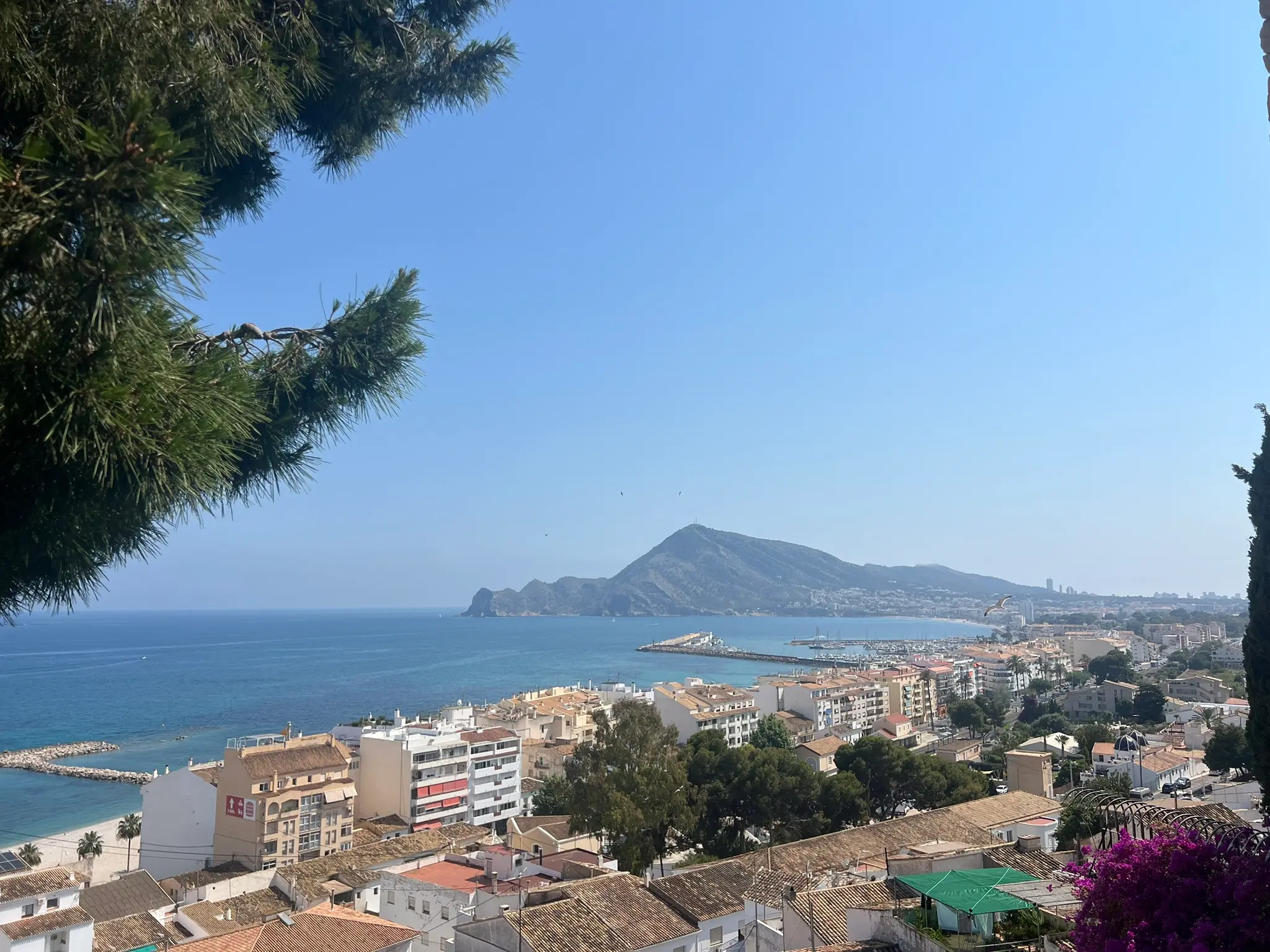
Day Trips from Alicante
The Costa Blanca doesn't end at the city limits. Castles, coves, mountain towns — all within an hour.
Explore Day Trips→
Parks & Nature in Alicante
The green spaces, coastal paths, and quiet corners of Alicante that most visitors walk straight past.
See all parks & nature→

Journal
First-hand notes on living, eating, and getting around Alicante — written by someone who actually lives here.
Read the journal→
Hi, I'm Petro, the face behind Alicante Compass.
This guide is free and always will be. Running it takes time, fuel, and a lot of coffee — researching places that don't show up on Google Maps, verifying details that other sites get wrong, and writing guides I'd actually want to read myself. If Alicante Compass has saved you time, money, or given you one moment worth remembering — I'd be grateful for your support. Every contribution keeps me on the road and the content free for everyone.
Fuel the Compass